

Best Drones for Beginners in Australia (2026 Guide)
The best drones for beginners in Australia are easy to fly, have built-in safety features, and capture sharp photos and video without overwhelming new pilots. In 2026, lightweight sub-250g models like the DJI Mini series remain top picks because they are stable in flight, beginner-friendly, and simpler under CASA’s recreational drone rules.
Introduction
The first time a drone lifts off and hangs steady in the air feels a bit like magic. One moment it is sitting on the ground, the next it is giving a view that once needed a helicopter and a film crew. With so many models sold as the best drones for new pilots, it can be hard to know where to start, especially in Australia where airspace rules are very real and very enforceable.
For beginners here, buying a drone is not only about specs, camera numbers, or slick promo videos. It is also about matching a drone to CASA rules, local weather, and long‑term goals. Sub‑250g drones now give a simple way in, with fewer regulatory steps, while still offering impressive cameras and strong safety features. At the same time, anyone who thinks they might move into paid work needs to think about flight criteria, not just the box on the shelf.
This guide walks through both sides of that choice. It looks at the best drones for beginners in 2026, how they handle Australian conditions, and how they fit within CASA rules. It also explains the basics of safe flight planning and what changes once flying shifts from fun to paid work. Along the way, it shows how training from Drone Training Hub, written by real pilots in plain English, gives a clear pathway from first take‑off to confident, compliant commercial flying.
As one instructor at Drone Training Hub likes to say, “Good pilots aren’t born; they are built through many small, careful flights.”
Key Takeaways
-
Sub‑250g drones such as the DJI Mini range are the easiest way into flying in Australia because recreational pilots do not need to register them and they are less intimidating to fly. This weight class still offers solid cameras and flight time, so beginners can learn good habits while keeping paperwork light.
-
For any beginner drone, camera quality, flight time, and safety systems belong near the top of the checklist. A clear camera makes footage worth keeping, decent batteries mean less rushing, and features such as GPS hold, return to home (RTH), and obstacle sensing give a safety net while skills build.
-
Most people in Australia should expect to spend between 300 and 1,500 dollars for a quality starter drone in 2026. Weather and conditions matter as well, since wind and heat are common stress tests here. Reading and following CASA rules is not optional, and adding structured training through Drone Training Hub is a smart way to build safe habits and keep a path open toward future commercial work.
Understanding Australia’s Drone Regulations for Beginners in 2026
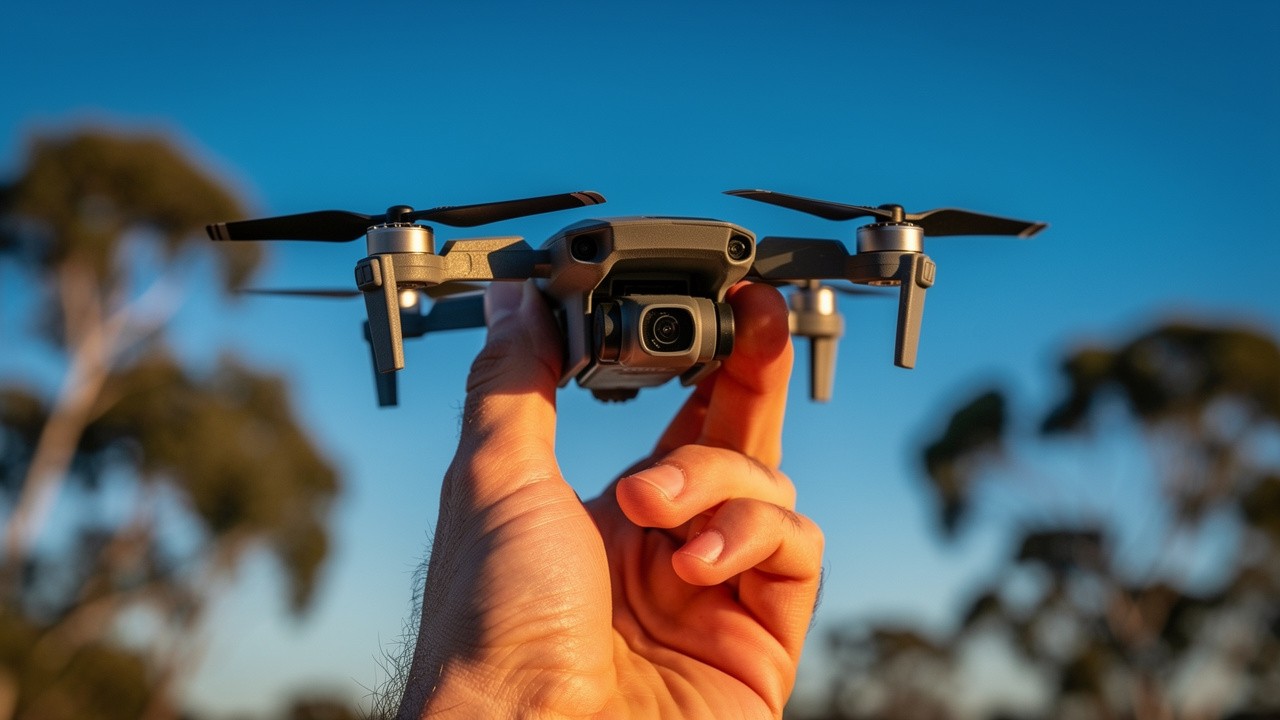
Before choosing between the best drones on the shelf, it helps to know what is allowed in Australian airspace. CASA sets Australian drone laws, and those rules apply even when flying a tiny beginner quad in the backyard. The positive side is that for recreational pilots, the core rules are quite simple once someone explains them clearly.
Key points for recreational flyers:
-
Fly at or below 120 metres above ground level (AGL).
-
Keep visual line of sight (VLOS) at all times — you must be able to see the drone with your own eyes, not just on a screen.
-
Stay at least 5.5 kilometres from controlled aerodromes unless you have specific permission.
-
Do not fly over people or closer than about thirty metres to anyone who is not directly involved in the flight.
Weight also matters. For recreational use, drones under 250 grams do not need to be registered with CASA, which is one reason many sub‑250g drones appear on beginner shortlists. Once the drone passes that mark, registration and a simple online process with CASA come into play, even if flights are only for fun.
Airspace can be far more complicated than it looks on a normal map. Beaches next to airports, suburbs under flight paths, and popular lookout points often sit inside restricted or controlled zones. Beginners should make a habit of checking apps such as OpenSky or other CASA‑linked tools before each flight. These apps show no‑fly zones, temporary restrictions, and other limits that are easy to miss.
Another key idea is the line between recreational and commercial use. As soon as drone footage or data supports a business activity, even if payment is small, operations fall into the commercial category. That is when a Remote Pilot Licence and proper training enter the picture. Drone Training Hub commercial drone training, giving pilots the knowledge to manage airspace, risk, and regulations properly. Even for beginners who are still flying for fun, starting with this mindset helps build safe habits from day one.
CASA safety campaigns often repeat the same message: “When you fly a drone, you share the sky — treat every flight with the same care.”
Essential Buying Criteria What Makes a Great Beginner Drone
With regulations in mind, the next step is to sort through features and marketing claims to find what really matters. The best beginner drones share a few traits that make them easier and safer to fly while still allowing skills to grow.
-
Camera And Stabilisation
Many cheap drones quote high megapixel numbers, but tiny sensors and poor stabilisation make footage shaky or muddy. For most beginners, a camera that records at least 1080p, and ideally 2.7K or 4K, gives sharp video that still looks good on larger screens. -
Flight Time And Batteries
Entry‑level toy drones may only stay in the air for ten to fifteen minutes. Better starter drones now offer around thirty minutes per battery. In practice, flying and safety margins reduce this a little, which is why extra batteries are almost essential. -
Range And Signal Strength
Some drones use basic Wi‑Fi links and work well up to about one hundred metres, while more advanced models use radio systems such as DJI’s OcuSync. Beginners do not need long‑range flights because CASA’s VLOS rule keeps good pilots close to the aircraft; a steady link within a few hundred metres is far more valuable than a headline range claim. -
Ease Of Control
A comfortable controller with clear sticks and buttons makes a huge difference to how safe a drone feels. Companion apps should be simple to read, with clear status messages instead of tiny icons that leave beginners guessing. Auto take‑off, beginner modes, and simple camera presets help new pilots focus on flying and framing. -
Safety Features
GPS position hold allows the aircraft to hover steadily, even in light wind. Return to home (RTH) can bring the drone back to its take‑off point if the signal drops or the battery runs low. Obstacle sensing, where available, adds valuable protection around trees and buildings. -
Durability And Portability
Australian heat, wind, and salty sea air test cheap plastics and motors. A well‑built beginner drone stands up better to gusts and minor bumps, even if it is still light enough to sit under the 250 gram mark. Folding designs that fit into a small bag are far more likely to come along on walks, work trips, and holidays. -
Price And Overall Value
Many brands sell base packages with one battery plus larger combos that add more batteries, spare propellers, and a case. While the combo costs more at the start, it is usually cheaper than buying the same items later and gives realistic flight time for a proper session.
Best Drones for Absolute Beginners in Australia (2026)
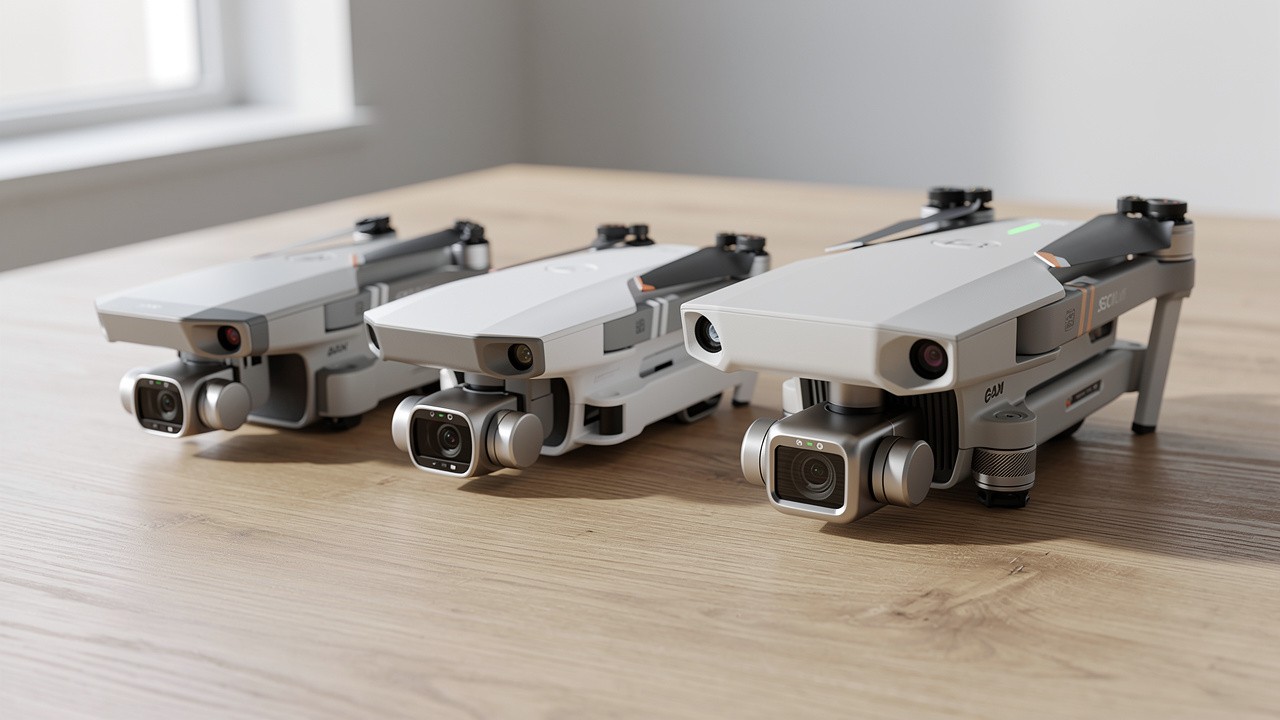
For absolute beginners in Australia, a good first drone keeps stress low while still teaching real flying skills. The models below appear again and again on lists of the best drones for new pilots because they balance price, safety, and fun. Each fits slightly different needs, from indoor practice to social media clips and first simple jobs.
Tello — The Perfect First Drone for Learning the Basics
The Tello usually sits around the 150 to 200 dollar mark in Australia and is often the first serious step up from toy drones. It carries a 720p camera that records basic video and takes five‑megapixel photos, which is enough for learning framing and simple clips. Flight time is about thirteen minutes per battery, and range is roughly one hundred metres with a top speed of around twenty‑eight kilometres per hour.
One of the biggest benefits for beginners is that the Tello uses a smartphone as the controller. The Tello app keeps controls simple, so new pilots can practise without dealing with complex hardware. Pre‑set flips and short EZShot moves make it fun to experiment and give quick rewards while confidence builds.
The Tello works best indoors or outdoors on very calm days. It struggles in wind and has only basic stabilisation, so it is not a good fit for work near the coast or on open fields. For many people, though, that is the point: the Tello is a low‑risk way to practise take‑offs, hovering, and landings before moving on to better‑specified drones.
DJI Mini SE — Best Budget Entry Into The DJI Range
The DJI Mini SE is often the first “proper” drone people buy when they want better image quality without spending high four‑figure sums. In Australia, expect to pay around 500 to 600 dollars for the standard package. The camera records smooth 2.7K video and captures twelve‑megapixel stills, which is more than enough for social media, family memories, and basic marketing clips.
Weighing under 250 grams, the Mini SE sits in a friendly spot under CASA rules for recreational use, so registration is not needed. It offers around thirty minutes of flight time per battery, a range of up to four kilometres in ideal conditions, and a top speed of about forty‑six kilometres per hour. The DJI Fly app is clear and simple, with a clean live view and status warnings that help beginners stay ahead of any issues.
The Mini SE comes with a dedicated controller, which gives far better control than phone‑only models. QuickShots, DJI’s automated camera moves, let new pilots record smooth dronies, circles, and other moves while the software handles the harder parts. For many beginners, the Mini SE feels like a serious tool without being overwhelming, especially when bought in a Fly More–style combo with extra batteries and a case.
DJI Mini 2 — Best Overall Value for Beginners Serious About Content Creation
The DJI Mini 2 often sits at the top of “best drones for beginners” lists. Priced around 750 to 900 dollars in Australia for the standard package, it has a 4K camera, twelve‑megapixel photos, and a flight time of about thirty‑one minutes per battery. Range can stretch to ten kilometres thanks to OcuSync 2.0, though CASA’s VLOS rules keep most flights far closer.
The Mini 2 also weighs under 250 grams, so recreational pilots still avoid registration while gaining performance close to more expensive models. The foldable design slips easily into a small bag, which makes it ideal for travel, hikes, and on‑site content creation. Despite the light frame, the drone holds well in moderate wind thanks to strong stabilisation and tuned flight modes.
QuickShots such as Dronie, Helix, Rocket, Circle, and Boomerang give beginners a way to shoot footage that looks polished while the aircraft flies smooth, repeatable paths. In real use, the Mini 2 works for travel vlogs, simple real estate highlights, scenic photography, and family events. The Fly More combo, often around 1,100 dollars, adds two more batteries, a charging hub, a solid case, and spare propellers, turning the Mini 2 into one of the best options for long, productive sessions.
Quick Comparison Of Popular Beginner Drones
|
Drone |
Approx. Price (AU$) |
Weight |
Camera |
Flight Time* |
Best For |
|---|---|---|---|---|---|
|
Tello |
150–200 |
~80 g |
720p / 5 MP |
~13 min |
Indoor practice and first stick time |
|
Mini SE |
500–600 |
< 250 g |
2.7K / 12 MP |
~30 min |
Budget entry into serious flying |
|
Mini 2 |
750–1,100 (combo) |
< 250 g |
4K / 12 MP |
~31 min |
Travel, content creation, learning for work |
*Manufacturer figures; expect a few minutes less per pack in real conditions.
Best Drones for Beginners Ready for Advanced Features
Some new pilots arrive with a clear plan to create high‑quality content or move into paid work as soon as possible. They still need forgiving aircraft, yet they also want strong cameras and smarter safety systems. For this group, a few mid‑range models stand out.
DJI Air 2S — Best for Aspiring Content Creators and Semi-Professionals
In Australia, the DJI Air 2S usually sits between 1,500 and 1,800 dollars for the standard pack and higher with a Fly More–style combo. It records 5.4K video and twenty‑megapixel stills using a one‑inch CMOS sensor, which is a big jump from the smaller sensors in lighter models. This larger sensor brings better detail, smoother skies, and far cleaner results in low light.
Flight time is around thirty‑one minutes, and OcuSync 3.0 supports a very strong link out to twelve kilometres in open areas. Forward, backward, upward, and downward sensing helps the drone avoid many obstacles, which builds confidence during more complex moves. Software features such as MasterShots and ActiveTrack 4.0 let a careful beginner create polished content while still keeping to basic flight limits and safety.
Because the Air 2S weighs about 595 grams, recreational pilots must register it with CASA and follow standard operating conditions. Many pilots treat the Air 2S as an investment that will serve for years across real estate shoots, YouTube content, weddings, and more.
DJI Mavic Air 2 — Excellent Mid-Range Alternative
The DJI Mavic Air 2 remains a strong mid‑range option even as newer models appear. Australian prices often sit between 1,200 and 1,500 dollars depending on stock and bundles. It records 4K video at up to sixty frames per second and can capture forty‑eight‑megapixel stills, which gives plenty of room for crops and large prints.
With a flight time close to thirty‑four minutes, the Mavic Air 2 reduces battery stress on longer shoots. Its range reaches around ten kilometres using OcuSync, though legal flights need to stay within visual line of sight. HDR video modes help manage bright skies and deep shadows in a single shot, which is handy for high‑contrast Australian scenes.
ActiveTrack 3.0 and obstacle sensing in multiple directions provide support for tracking moving subjects and flying in built‑up areas. The aircraft sits above 250 grams, so CASA registration is required, yet the extra mass gives it stable behaviour in wind. For many pilots in 2026, it remains one of the best drones in the mid‑range bracket, especially when bought in a combo with extra batteries.
Specialist Considerations Drones for Specific Beginner Use Cases
Not every beginner has the same goal. Some want better real estate photos, others want a light travel companion, and some simply want a safe way to practise indoors before going outside. Choosing from the best drones becomes easier when matching the aircraft to the main task.
Best Budget Drone for Real Estate Photography (Beginners)
For new real estate agents or property managers, the DJI Mini 2 and Mini SE cover most needs at an entry level. Offices that want web‑ready photos and short clips can get strong results from a 2.7K or 4K camera, especially when footage is stabilised by a three‑axis gimbal.
Stable GPS hovering allows the drone to sit still while the pilot frames facades, backyards, and rooflines. Automated moves such as orbits or reveal shots around a house make it easier to record smooth, repeatable clips for every property.
Agents must be very careful about airspace, as many homes sit near controlled airports or under approach paths. While a beginner drone can legally fly for personal use, any real estate work done as part of a business counts as commercial. That means a Remote Pilot Licence (RePL) is needed, along with sound knowledge of risk and planning. Drone Training Hub provides a commercial drone courses for agents who start with casual property shots but want to move into fully compliant, paid aerial work.
Best Drones for Capturing Australian Scenery and Travel
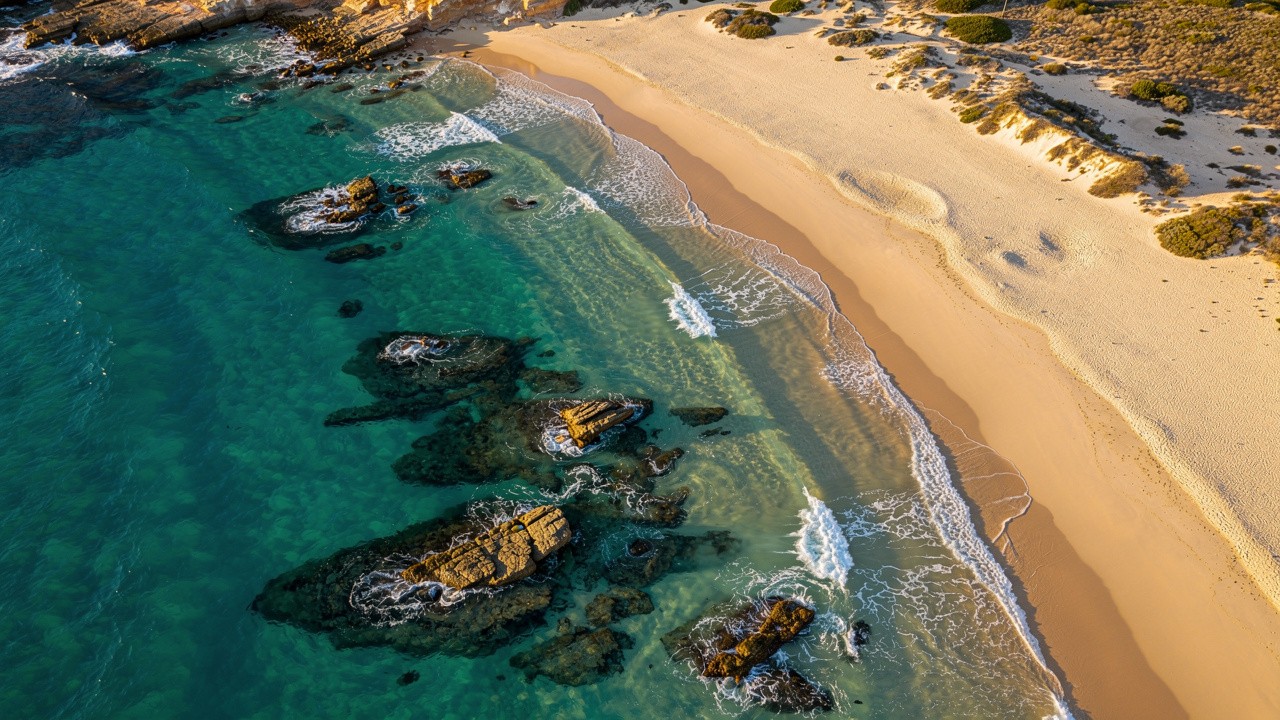
For travel and adventure, the DJI Mini 2 stands out again. Its light, foldable body hardly adds to a backpack, and the sub‑250g weight helps keep it off many registration lists while moving between states or remote areas. A long flight time per battery and a strong link help capture cliffs, ranges, and beaches without stress.
Australian conditions can be harsh, with hot inland winds and salty coastal air. Pilots should plan for spare batteries, as high temperatures can shorten useful flight time. A Fly More combo makes a big difference on multi‑day hikes or road trips because charging chances may be rare. Pilots also need to check rules around national parks and indigenous land, where local bans or permit systems may apply.
Learning to Fly Indoors vs. Outdoors Choosing the Right Starter Drone
Indoor practice offers a gentle way to build muscle memory before dealing with wind, distance, and crowds. The Tello is ideal for this stage because it is light, small, and more forgiving in bumps. A lounge room, garage, or hall can be enough space to learn throttle control, turns, and smooth landings without worrying about losing sight of the aircraft.
Once ready to move outside, a Mini SE or Mini 2 offers GPS hold, better range, and stronger wind handling. First flights should take place in wide, open areas away from people, roads, and trees, such as empty ovals or quiet rural paddocks. Here, the pilot can get used to how an outdoor beginner drone reacts to gusts, sunlight, and distance while still keeping plenty of safety margin.
Essential Flight Criteria Mastering Safe and Legal Drone Operations in Australia
Buying one of the best drones on the market is only half the story. How a pilot plans and flies each mission matters just as much as camera specs or range claims. A few clear criteria help keep flights safe, legal, and productive across Australian conditions.
-
Pre‑Flight Planning
Before every flight, reading weather forecasts, and the chance of rain or storms. Many beginner drones start to struggle once winds climb above around thirty kilometres per hour. Hot days can also shorten battery life, so planning shorter flights and longer cooling breaks is wise during summer. -
Airspace Checks
Using apps linked to CASA data, pilots should look for controlled zones, restricted areas, and temporary hazards such as emergency operations. It is far safer to call off a flight or move to a different location than to risk a fine or a close call with manned aircraft. -
Visual Line Of Sight
In practice, VLOS means the pilot can see the drone’s attitude, location, and relation to hazards without relying only on the screen. Many beginners push range early, chasing impressive distance numbers, yet this often leads to stress, lost aircraft, or airspace breaches. Flying closer and higher within the allowed ceiling usually gives better, safer footage. -
Emergency Procedures
Understanding how RTH works on a chosen model — including what height it climbs to and where it lands — is vital. Pilots should practise triggering this feature in safe, open areas so it feels familiar during real problems. Keeping a mental “minimum battery” level and turning back early also avoids automatic landings in awkward places. -
Situational Awareness And Respect For Others
Reading the environment, watching for birds, wires, trees, and people, and constantly re‑thinking the plan as conditions change are skills that grow with practice. Respect for privacy and community standards also matters, especially in suburbs and popular parks.
While self‑teaching can work, online drone training makes these habits far stronger. Drone Training Hub focuses on these foundations, covering airspace, weather, risk, and decision‑making in plain English. That same framework supports both safe recreational flying and future commercial work.
A commercial pilot who mentors students at Drone Training Hub often reminds them, “There is no such thing as a routine flight — every one deserves the same preparation.”
Understanding Fly More Combos and Accessory Packages
When shopping for the best drones from major brands, buyers often face a choice between a standard pack and a Fly More or combo kit. At first glance, the combo costs more, yet for most beginners it gives far better value and a smoother start.
A standard drone package usually includes the aircraft, a controller, one battery, a basic charger, and a spare set of propellers. This is enough to fly, but in real life that single battery often gives only twenty to twenty‑five minutes of relaxed, useful time.
Combo packs add the items that pilots nearly always buy later:
-
Extra batteries
-
A multi‑battery charging hub
-
A bag or case
-
More propellers
-
Sometimes ND filters or a car charger
Buying these pieces separately costs far more than the price gap between the base kit and the combo, especially in Australia where shipping and stock can add to the bill. For anyone serious about learning, improving, or creating content, combo versions usually turn already good aircraft into the best options for regular practice.
Budget Planning What to Expect When Buying Your First Drone in Australia (2026)
Setting a realistic budget helps narrow down the best drones for a first purchase. In Australia, a few price bands line up with clear levels of capability, from simple practice models to aircraft suited to paid work once the right licence is in place.
-
150–400 dollars — First Practice Drones
Covers the Tello and similar small quads. Ideal for learning the basics of control, especially indoors or in calm weather. Not suited to serious photography or windy outdoor work, yet they keep risk and cost low. -
500–900 dollars — Serious Recreational Flying
Includes the DJI Mini SE and DJI Mini 2. Here, buyers gain stabilised 2.7K or 4K cameras, GPS hold, RTH, and decent flight times. For most people who want strong personal footage and a path toward simple paid jobs later, this is the sweet spot. -
1,200–2,000 dollars — Entry To Semi‑Professional Work
Covers models like the Mavic Air 2 and Air 2S, often in Fly More–style combos. These bring better sensors, longer flight times, more advanced obstacle sensing, and features aimed at serious content creators and inspection work.
Hidden costs deserve a place in the plan. High‑speed microSD cards are needed for 4K video, extra batteries are expensive if bought outside a combo, and public liability insurance becomes more important as drone price and risk increase. CASA registration fees also apply to drones over 250 grams. Buying from local Australian dealers gives better backup if something fails, and good shops can advise on CASA rules as well.
For those who see a path toward commercial work, training costs should sit alongside hardware. Drone Training Hub courses give a clear, blended path to a Remote Pilot Licence, mixing online theory with in‑person flying. Treating this as part of the total investment sets a stronger base for turning one of the best drones into a real income tool.
Common Beginner Mistakes and How to Avoid Them
Even with the best drones and good intentions, new pilots often repeat the same errors. Knowing these traps ahead of time makes them far easier to avoid.
-
Skipping The Manual And Tutorials
Eagerness to fly leads many people to ignore the manual and in‑app training. A short read or guided flight inside the app prevents a large share of first‑day crashes. -
Ignoring Airspace Checks
A park or beach can look harmless yet still sit under controlled airspace or near an emergency scene. CASA does not accept “I did not know” as an excuse, so using tools like OpenSky before each flight is part of being a pilot in Australia. -
Underestimating Weather
New flyers often underestimate wind and overestimate their drone’s power, especially with light beginner drones. They may take off in calm air and then struggle when gusts arrive or when the aircraft fights a headwind on the way back. -
Poor Battery Habits
Launching with half‑charged packs, ignoring low‑battery warnings, or flying far out over water with little reserve leaves no room for error. Good habits include starting each flight with near‑full batteries and turning back well before the final warning. -
Pushing Range Too Early
Modern systems can fly kilometres away, which tempts beginners to stretch distance and break VLOS rules. Staying within easy visual distance keeps pilots better able to judge height, distance, and risk. -
Rushing Pre‑Flight Checks
Forgetting to remove a gimbal cover, missing a cracked propeller, or taking off before GPS lock can spoil a session. A simple checklist that covers propellers, batteries, firmware status, sensors, and home‑point lock saves time and money. -
Overconfidence After A Few Good Flights
Some pilots quickly jump into flying near buildings, trees, or crowds, or trying complex manual moves close to the ground. Building skills step by step, starting in open areas and slowly adding new challenges, gives far better outcomes. -
Not Practising Emergencies
Understanding how RTH behaves, how to switch from automated modes back to manual, and how to descend quickly but safely should be learned before a real problem appears. Short practice drills at safe height build the reflexes needed under pressure. -
Ignoring Privacy And Community Expectations
Flying over backyards without permission or recording people who do not realise they are on camera can anger neighbours and draw complaints. Being open about what is being filmed, asking consent where needed, and avoiding sensitive areas protects the reputation of all drone pilots. -
Never Logging Flights Or Maintenance
Even simple notes about dates, locations, issues, and battery cycles make it easier to spot patterns or plan service. These records also build good habits for anyone thinking about commercial work.
Maintaining Your Drone Essential Care and Maintenance for Beginners
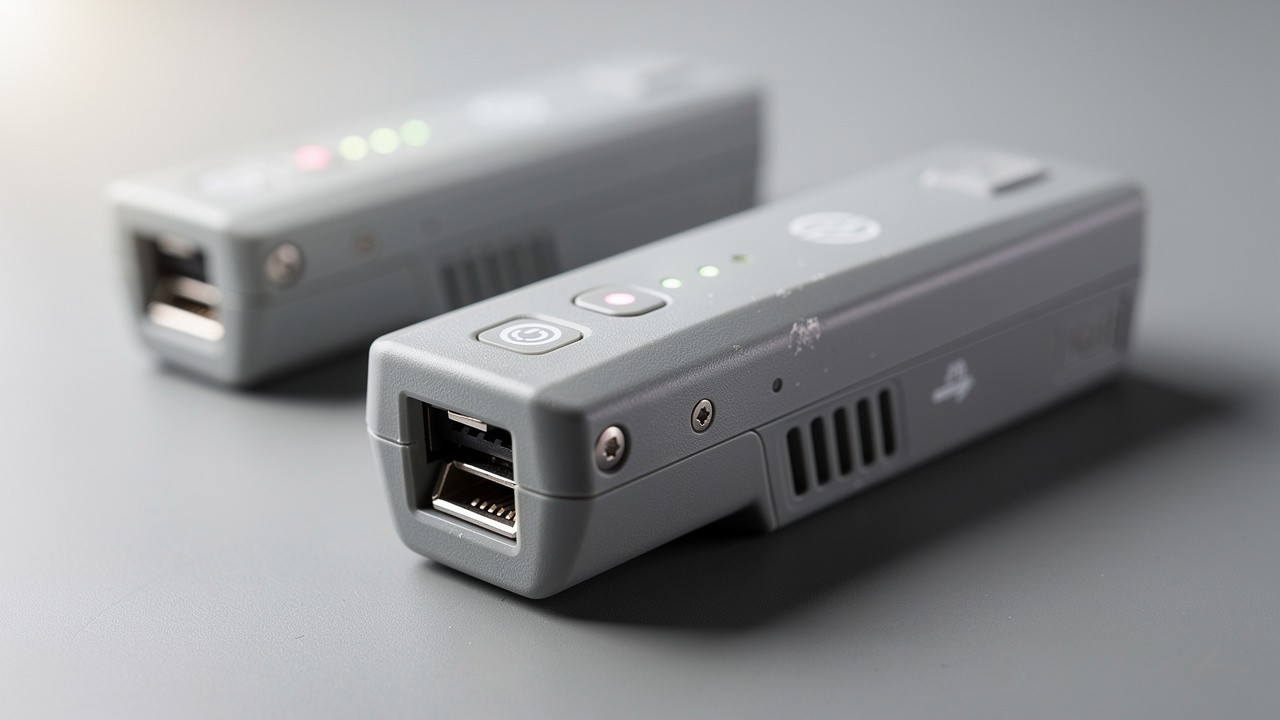
Looking after a drone properly extends its life, protects people on the ground, and keeps performance steady. A little care before and after flights makes even the best drones far more reliable.
-
Battery Care
Lithium packs prefer to sit around forty to sixty percent charge when stored for more than a few days, not full or empty. Batteries also dislike extreme temperatures, so they should not be charged while very cold or left in a hot car for hours. -
Propeller Checks
Small cracks, chips, or bends can make a drone vibrate, lose efficiency, or even fail in the air. If a propeller shows any damage, it is safer to swap it for a spare rather than risk a crash. -
Firmware Updates
Firmware for the drone, controller, and batteries should be updated through official apps only. Updates often fix bugs, improve safety functions, or add minor new features. It is best to update at home with a solid internet link instead of on a job. -
Cleaning Lenses And Sensors
Dust, smears, and salt spray can all degrade image quality. Using a clean microfibre cloth and suitable lens cleaner keeps the glass clear without scratching. Gimbal parts and vision sensors should be wiped gently. -
Safe Storage
Drones and batteries do best in cool, dry places away from direct sun. Taking batteries out of the aircraft for longer breaks reduces the chance of unwanted discharge. Adding silica gel packs to a case can help manage moisture, especially for people who often fly near the coast.
After each flying day, a quick post‑flight inspection is wise. Look for loose screws, odd marks, or changes in motor sound. If motors feel rough or noisy, or if the gimbal moves strangely, it may be time for professional service rather than home fixes.
Preparing for Commercial Operations When Hobby Becomes Profession
For many people, what starts as a hobby with one of the best drones eventually grows into paid work. Real estate clips, inspection photos, social media content, and mapping jobs all create demand for skilled pilots. In Australia, this shift brings legal and training needs that go beyond recreational rules.
Under CASA regulations, any drone work carried out for a business counts as commercial. It does not matter whether payment is direct, such as an invoice, or indirect, such as using drone footage to sell a house or promote a service. Once flying supports business activity, pilots move into a regulated space where a Remote Pilot Licence (RePL) and, often, an operator certificate come into play.
advanced RPAS training covers far more than stick skills. Pilots must understand reading aviation charts, and how manned traffic uses the sky. They learn how weather affects performance, how to read forecasts properly, and how to build safe go or no‑go decisions. Planning jobs includes site risk assessments, safe take‑off and landing points, and backup plans for emergencies.
In Australia, sectors such as construction, agriculture, media, utilities, and public safety all use drones. On building sites, aircraft track progress, check roof lines, and monitor stockpiles. Farmers use mapping flights to assess crop health. Inspectors use thermal and zoom cameras on power lines, bridges, and towers. Media and events teams rely on aerial shots to boost production value, while mining and resources companies use drones to support survey work.
This is where Drone Training Hub focuses its effort. The team offers a mixed online training that mixes self‑paced online theory with required in‑person flight training. The curriculum is written by working pilots and covers airspace, weather, law, risk, and emergency response in plain English. Rather than only teaching to a test, it aims to build pilots who can handle real jobs with calm and confidence.
“A licence is your starting point, not the finish line,” notes one instructor at Drone Training Hub. “What matters is the judgement you show every time you decide whether and how to fly.”
Even for those who are not ready to charge for work yet, this kind of framework provides a strong base. Learning good habits early means less unlearning later and keeps both people and equipment safer.
Frequently Asked Questions (FAQs)
Question 1 Do I Need a Licence to Fly a Drone in Australia?
For purely recreational flying, there is no licence requirement, but pilots must follow CASA’s standard operating conditions at all times. Drones over 250 grams must be registered through CASA’s online system, which carries a small yearly fee. As soon as flights support a business or earn income, a getting your RePL becomes part of the picture. Drone Training Hub provides the commercial training pathway needed to move from recreational pilot to licensed commercial operator.
Question 2 What Is the Best Drone for a Complete Beginner in Australia?
For many people, the DJI Mini 2 offers the best balance of ease of use, 4K camera quality, and regulatory benefits from its sub‑250g weight. It feels stable, travels easily, and often appears at the top of beginner recommendation lists. Those on a tighter budget, or who want a very gentle first step, can start with a Tello to learn control indoors. Beginners who already aim for high‑end content can look at the DJI Air 2S, provided they are ready for the higher price and registration needs.
Question 3 How Much Should I Spend on My First Drone?
If the goal is simply to learn the basics of control, a budget of 150 to 400 dollars covers the Tello and similar aircraft. For serious recreational flying and strong image quality, many pilots aim for around 750 to 1,100 dollars, which usually covers a DJI Mini 2 with a Fly More–style combo. Those who want semi‑professional image quality from day one often spend between 1,500 and 2,000 dollars for an Air 2S with extra batteries. Remember to factor in costs for memory cards, spare propellers, and possible insurance as well.
Question 4 Can I Fly a Drone Anywhere in Australia?
No. CASA rules keep drones away from controlled aerodromes, usually with a buffer of 5.5 kilometres unless specific permission exists. Flights must stay below 120 metres above ground and at least thirty metres from people who are not part of the job. Flying over crowds, near emergency scenes, or in many national parks is not allowed. Some indigenous lands and local councils also have Australian airspace regulations, so pilots should always check an approved app such as OpenSky before take‑off.
Question 5 What Is the Difference Between a 200 Dollar Drone and a 1,500 Dollar Drone?
A 200 dollar drone usually has a low‑resolution camera, short flight time, and a simple Wi‑Fi link that only stays stable over short distances. It often lacks GPS hold, reliable RTH, and strong stabilisation, so footage can be shaky and control harder. A 1,500 dollar drone such as an Air 2S offers 4K or higher video, a larger sensor, around thirty minutes of flight time, and advanced safety systems. Build quality is higher, support and updates are better, and the aircraft can handle wind and complex tasks more safely.
Question 6 Do I Need Insurance for My Drone in Australia?
Insurance is not required by law for recreational flights under two kilograms, yet it is worth serious thought for any drone worth over about 1,000 dollars. Hull cover can soften the cost of crashes, flyaways, or theft, while public liability insurance protects against damage or injury to others. Many commercial clients insist on seeing proof of drone insurance coverage before allowing flights on their sites. Standard home and contents policies often exclude drones, so it is important to check wording carefully or look at specialist drone insurance from Australian providers.
Conclusion
Choosing the right first aircraft in Australia means weighing more than just brand and price. The best drones for beginners balance camera quality, flight time, safety features, and weight with CASA rules and local conditions. For many new pilots in 2026, a DJI Mini 2 with a Fly More–style combo sits in the sweet spot, offering professional‑looking footage, friendly sub‑250g status, and enough flight time per session to learn without feeling rushed.
Yet hardware is only part of the story. Safe, confident flying depends on understanding airspace, weather, emergency procedures, and how to read a site with care. Respecting height limits, staying clear of people and airports, and using tools such as OpenSky turn a fun hobby into a responsible practice. As the drone industry continues to grow across construction, agriculture, media, inspection, and public sector work, these habits also form the base of a strong professional profile.
For anyone who feels the pull toward paid work, structured training is more than just a legal box to tick. Drone Training Hub focuses on professional drone courses that turns beginners into capable operators. From airspace and aviation weather to risk management and live flight training, the program gives the knowledge and skills needed to use the best drones in real operations. Starting with the right aircraft and building on the right training means every flight, whether for fun or for business, sits on a solid, safe foundation.
Want to Fly With Real Confidence?
You can learn a lot from trial and error — but structured guidance builds safer habits much faster.
Drone Training Hub’s beginner-friendly training pathways teach practical flying skills, airspace awareness, and decision-making that carry you from hobby flying toward professional certification.
Contact us today to get started!