

Commercial Drone Training in Australia – How to Get Licensed and Fly Professionally
A drone looks simple from the ground. Push a stick, it goes up; move a stick, it turns. The moment money changes hands, though, that small aircraft sits under the same regulator as airliners: the Civil Aviation Safety Authority (CASA). At that point, commercial drone training in Australia changes from nice to have to non‑negotiable.
Across cutting costs and time, broadacre farms, media shoots, survey work, and emergency response, drones now sit in the same toolbox as tape measures and laptops. Businesses want aerial data, and they want it fast, safe, and legal. That is where proper CASA drone certification, a clear drone licence in Australia, and structured training step in.
Flying for fun and flying for income are two very different things. The moment a flight:
-
helps a business,
-
promotes a service, or
-
earns a fee,
it becomes a commercial operation. Without the right licence or accreditation, penalties can be serious, jobs can vanish, and drone insurance can reject claims. At the same time, many people feel that CASA rules, acronyms, and forms look confusing from the outside.
Drone Training Hub exists to make that path clear and practical. Training is built by working pilots, delivered in plain English, and backed by mandatory in‑person flight training so graduates feel calm and capable in the field. Keep reading to learn how commercial drone training in Australia actually works, which licence or accreditation you need, what you study, real career paths, and how Drone Training Hub can guide you from first login to paid, compliant flights.
Key Takeaways
-
Commercial drone training in Australia turns casual flying into a safe, legal, and paid skill set. Training explains CASA rules, risk management, and airspace step by step, so a pilot is not guessing in front of a client. This gives real confidence when a job, a contract, or an insurance policy is on the line.
-
CASA treats almost any paid drone work as commercial, whether it is a single real estate shoot or ongoing mapping for a farm. Training that leads to a Remote Pilot Licence (RePL), drone operator accreditation, or both, shows clients and employers that flights will meet safety rules, not just marketing promises. That is a strong boost to a pilot’s professional reputation.
-
Drone Training Hub blends self‑paced online learning with in‑person flight training and ongoing instructor support. This mix suits career‑changers, trades, farmers, media crews, and public sector teams who need clear guidance on how to become a drone pilot in Australia without getting lost in aviation jargon.
What Is Commercial Drone Training and Why Is It Essential?
Commercial drone training in Australia is structured education that prepares a person to fly Remotely Piloted Aircraft Systems (RPAS) for hire or reward. It covers aviation theory, drone systems, airspace, weather, human factors, and hands‑on flying under CASA rules. The end goal is a licence or accreditation that lets a pilot work legally and safely.
Under CASA, commercial covers far more than people expect. Any flight that supports a business, earns income, or promotes services counts. That includes real estate photos, roof inspections, mapping for builders, farm monitoring, social media content for brands, and even “free” work that helps a business pitch. For drones over 2 kg, or for any operation outside the sub‑2 kg Excluded Category, a formal licence such as a RePL is the standard path.
Safety sits at the heart of this training. A drone that drops onto a car, injures a bystander, or enters protected airspace can cause serious harm and financial damage. Proper training builds habits that prevent those outcomes, such as solid pre‑flight planning, airspace checks, and clear decision‑making when conditions change. It also prepares pilots for emergency responses, rather than panic in front of a client.
“Aviation is not inherently dangerous, but to an even greater degree than the sea, it is terribly unforgiving of any carelessness, incapacity or neglect.”
– A.G. Lamplugh
From a elevate your career, structured RePL training in Australia signals to employers, insurers, and larger clients that a pilot knows more than just camera settings. Formal qualifications are often requested in tenders, job ads, and subcontractor agreements. For people changing careers, or adding drone work to trades, agriculture, or media roles, that proof of competence makes a real difference.
Drone Training Hub designs each commercial drone pilot course around these realities. The online theory covers what CASA requires but explains it in plain English, with a focus on real jobs in fields like construction, agriculture, and content creation. The in‑person flying then turns that theory into calm, repeatable skills that stand up under pressure.
Understanding CASA’s Drone Licensing Framework in Australia
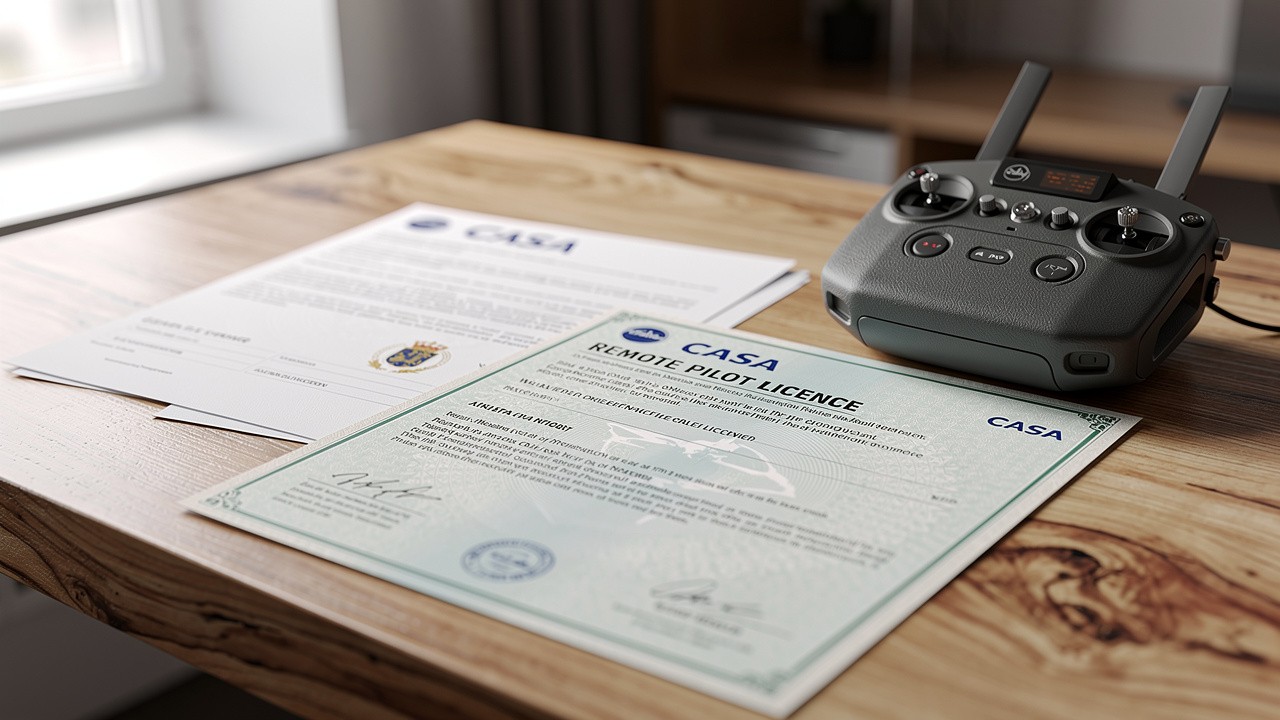
CASA, the Civil Aviation Safety Authority, regulates all drone operations in Australian drone laws. That includes a solo pilot with a small quadcopter and large RPAS fleets that support national infrastructure. CASA’s framework for commercial work sits around three main credentials, plus optional operator accreditation.
These credentials are the Remote Pilot Licence (RePL), Aeronautical Radio Operator Certificate (AROC), and Remote Operator’s Certificate (ReOC). Each covers a different piece of the picture. One is for the individual pilot, one covers radio use, and one sits at the business level.
Not every pilot needs all three, and CASA leaves room for low‑risk work through the Excluded Category and drone operator accreditation. The right mix depends on drone weight, where the pilot flies, and how complex the work is.
A quick snapshot of the three main certifications is below.
|
Certification |
Held By |
Main Purpose |
Typical Use Case |
|---|---|---|---|
|
RePL |
Individual pilot |
Licence to fly drones commercially |
Paid work with drones above 2 kg or outside Excluded Category |
|
AROC |
Individual pilot |
Permission to use aviation radios |
Flying in or near controlled airspace with radio calls |
|
ReOC |
Business or sole trader |
Approval to run wider operations |
Night work, BVLOS, multiple pilots, operations near people |
CASA guidance treats any paid drone work as commercial, no matter how small the job.
Understanding how these approvals fit together is the first step before choosing a commercial drone training course in Australia.
Remote Pilot Licence (RePL): Your Personal Commercial Flying Credential
A Remote Pilot Licence (RePL) is the core personal licence for commercial drone pilots. It shows CASA that a pilot has passed an approved theory syllabus and a practical flight assessment to the required standard. With a RePL and the right organisational approvals, a pilot can conduct paid work with drones heavier than 2 kg and access wider operational options.
RePLs are issued in weight brackets. Most new pilots start with sub‑7 kg multi‑rotor, which covers common drones like DJI Mavic and Phantom series used on worksites, farms, and shoots. Some pilots also complete a sub‑25 kg endorsement to cover heavier rigs used in film, industrial inspection, or large‑scale agriculture.
Training combines online theory with an in‑person flight test. Theory includes:
-
air law and CASA regulations,
-
aerodynamics,
-
meteorology,
-
navigation,
-
human performance, and
-
mission planning.
The practical component confirms that a pilot can take off, fly accurate patterns, handle changes in wind, and land safely under instructor supervision.
Drone Training Hub designs RePL training in Australia around real jobs, not just exam questions. Instructors are active commercial pilots who explain how each topic connects to tasks like roof inspection, progress mapping, or livestock checks. That way, the licence reflects both CASA’s standard and day‑to‑day operational needs.
Aeronautical Radio Operator Certificate (AROC): Your Radio Communication Authority
An Aeronautical Radio Operator Certificate (AROC) allows a pilot to use an aviation VHF radio legally. It confirms that the holder understands aviation phraseology, standard call formats, and radio discipline in controlled and non‑controlled airspace.
Pilots need an AROC when their commercial drone work will take them into or near controlled airspace, or close to non‑controlled aerodromes where other aircraft operate. Examples include flying near major airports, regional aerodromes with regular traffic, or in corridors where low‑level aircraft pass through.
AROC training focuses on when to call, how to call, and what to say. Students learn standard position reports, traffic calls, and readback of clearances, and they practise these with real‑world scenarios. Good radio calls reduce confusion, help other airspace users see the drone operation as professional, and support safe separation.
Drone Training Hub includes AROC as part of its Essentials and Professional packages, because radio skills open more airspace and more job types for a commercial pilot.
Remote Operator’s Certificate (ReOC): Your Business-Level Authorisation
A Remote Operator’s Certificate (ReOC) sits with a company or sole trader rather than an individual. It is CASA’s way of approving an organisation to run a drone operation under its own procedures, with one or more RePL‑licensed pilots flying under that banner.
With a ReOC, a business can apply for approvals to fly outside standard conditions. That might include work at night, flights above 120 metres, operations closer than 30 metres to people who are not part of the crew, or more complex jobs in controlled airspace. It also supports multi‑pilot teams and larger fleets.
The ReOC process requires detailed documentation. A business needs an Operations Manual, safety management processes, risk assessment methods, training records, and an appointed Chief Remote Pilot who oversees day‑to‑day flying. CASA reviews these documents and may ask for changes before approval.
Many people find this step intimidating, which is why Drone Training Hub bundles ReOC support into its Professional Package. Instructors guide new operators through documentation, practical procedures, and CASA submissions so the business can start work with solid systems from day one.
The Excluded Category: Commercial Flying Without a Full Licence
CASA’s Excluded Category offers a pathway for lower‑risk commercial operations with very small drones. If a drone has a maximum take‑off weight under 2 kg, and the pilot sticks to strict Standard Operating Conditions, the pilot may fly commercially without a RePL or ReOC.
Even under this option, there are formal steps. The pilot needs an Aviation Reference Number (ARN), must register the drone for commercial use, and must complete CASA’s online quiz. The quiz checks understanding of basic safety rules and standard conditions.
Standard conditions under the Excluded Category match CASA’s general drone rules. Pilots must:
-
fly by day and in clear weather,
-
stay below 120 metres above ground level,
-
keep the drone within visual line‑of‑sight,
-
remain at least 30 metres from other people,
-
avoid flying over crowds,
-
stay well away from controlled aerodromes and restricted airspace, and
-
fly only one drone at a time.
Popular sub‑2 kg drones like DJI Mini and many Mavic models fit this category, which attracts photographers, content creators, and small operators. The risk many people miss is that CASA still expects full compliance. An untrained pilot who accidentally flies into restricted airspace or over a crowd can still face fines or enforcement action, and insurers may decline cover after an incident.
Training remains highly valuable here. An Excluded Category or sub‑2 kg course gives the same theory base as a RePL without the full licence assessment. It explains airspace maps, risk management, and legal responsibilities in simple terms, and usually includes a practical flying day.
Drone Training Hub’s sub‑2 kg pathway covers RePL‑level theory, flight fundamentals, and detailed regulatory guidance for Excluded Category operations. It is ideal for people who want to start small but professional, and it lays the groundwork to move into full RePL training in Australia as demand grows.
What You’ll Learn: Core Components of Commercial Drone Training
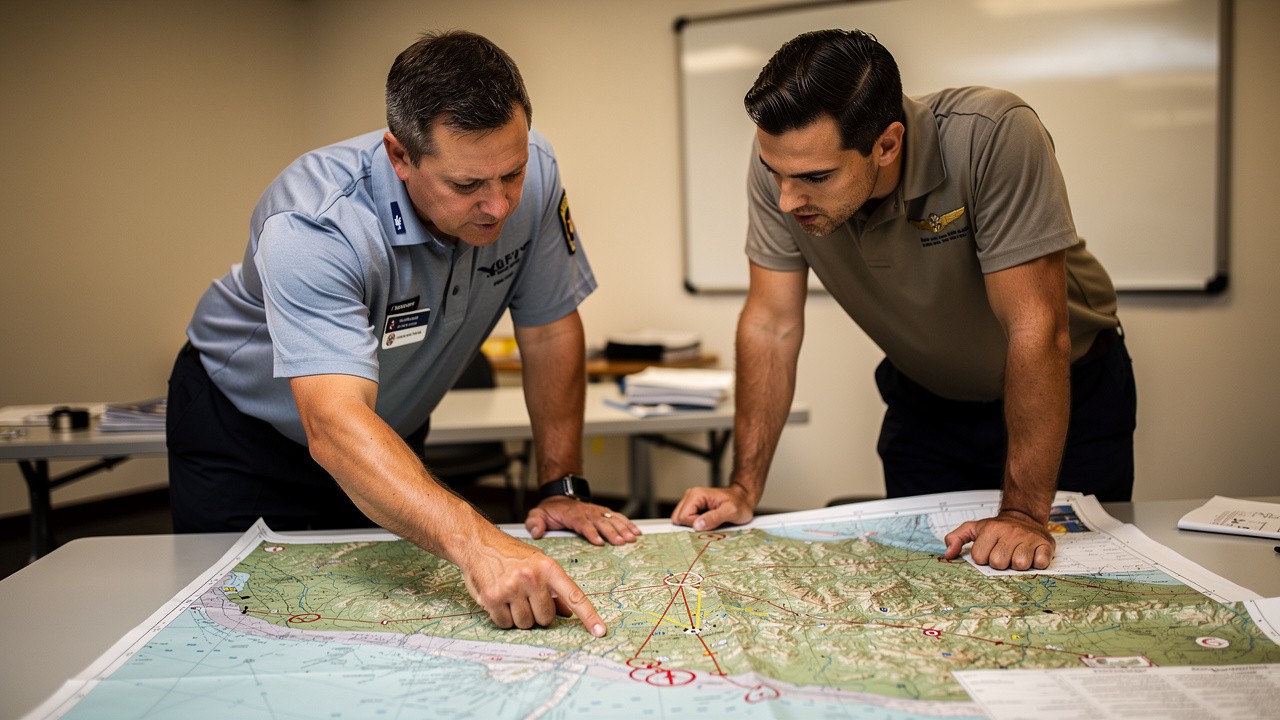
Every CASA‑approved commercial drone pilot course in Australia combines theory and practical flying. The aim is to build both knowledge and hands‑on skill, so a pilot can plan, brief, fly, and review a job safely.
The theory component builds an aviation mindset. It introduces CASA rules, charts, weather, and aircraft systems in a structured way. The practical component then checks that the pilot can apply that knowledge with real aircraft in real wind, while staying calm and methodical.
Drone Training Hub follows this model with an online theory portal and in‑person training days across Australia. Students move through the curriculum at their own pace, then attend a practical session ready to show what they can do.
Theory Component: Building Your Aeronautical Knowledge Foundation
Theory sets the base for every safe commercial flight. In RePL, ReOC, and wider RPAS training course options, topics repeat and deepen, so it pays to build a solid start.
Core theory areas include:
-
Aviation law and CASA regulations – mainly Civil Aviation Safety Regulations Part 101. Students learn how airspace is divided, what Standard Operating Conditions look like, and where drone work fits beside crewed aircraft. This reduces the chance of entering restricted airspace or breaching rules by accident.
-
Drone systems and basic aerodynamics – how lift, drag, thrust, and weight act on multi‑rotor and fixed‑wing drones. Students look at motors, electronic speed controllers, flight controllers, GPS units, payloads, and battery care, with a focus on safe use and storage of lithium polymer packs.
-
Weather and meteorology – how to read forecasts like TAFs and METARs, interpret wind strength and direction, and judge how cloud, temperature, and rain affect performance. This supports better go or no‑go decisions before leaving home or the depot.
-
Navigation and airspace management – reading Visual Terminal Charts, recognising controlled and uncontrolled airspace, noting restricted zones, and planning safe flight paths around them. Mission planning covers site surveys, obstacle checks, and clear crew roles.
-
Human factors and decision‑making – topics such as fatigue, stress, task overload, and how these affect judgement. Simple frameworks for aeronautical decision‑making give pilots tools to pause, assess, and choose safer options instead of reacting on instinct.
Drone Training Hub delivers all of this in plain English, backed by diagrams, videos, practice quizzes, and live help. The focus stays on real scenarios that a commercial drone pilot in Australia is likely to meet on a workday.
Practical Flight Component: Demonstrating Operational Competency
The practical component turns theory into tested skill. Every RePL or structured drone flight training in Australia must include in‑person assessment with a qualified instructor.
Training covers the full job cycle:
-
Pre‑flight and ground procedures
Students learn to conduct thorough pre‑flight checks on aircraft, controllers, batteries, and firmware. They practise site assessments, wind checks, establishing launch and landing zones, and briefing helpers or observers. -
In‑flight control and manoeuvres
Pilots must show smooth, accurate control. Instructors look for stable hovering, straight and level flight, square and circular patterns, altitude control, and precise positioning over set points. Movements should look deliberate rather than rushed. -
Emergency handling
Instructors may introduce simulated problems such as GPS loss, link loss, unexpected wind gusts, or low battery warnings. The pilot needs to respond calmly, follow set procedures, and recover the aircraft safely. -
Situational awareness and post‑flight checks
Pilots must keep visual line‑of‑sight, monitor surroundings for aircraft, people, and obstacles, and adjust the flight plan when conditions change. After landing, they complete post‑flight checks, secure batteries, and log the flight details.
Drone Training Hub provides all aircraft for assessment, so students do not need to bring their own. Practical sessions run in multiple locations across Australia with flexible scheduling. The aim is a challenging but supportive test that leaves pilots ready to handle real commercial tasks, not just a scripted pattern.
Key CASA Rules Every Commercial Drone Pilot Must Know
CASA’s drone safety rules apply to almost every RPAS operation in the country, whether the flight is for fun or for income. For commercial pilots, these rules sit beside contract terms and insurance conditions, so understanding them deeply is vital.
The core rules are often called Standard Operating Conditions. They set safe limits for height, distance from people, airspace, and time of day. Commercial drone training in Australia does more than list these rules; it explains why they exist and how to stay on the right side of them on busy workdays.
Key rules include:
-
Maintain visual line‑of‑sight at all times. A pilot must be able to see the drone with their own eyes, without screens or goggles hiding the aircraft. This allows quick judgement of height, distance, and attitude, and quick reaction if another aircraft appears. Spotters can help, but they do not replace the pilot’s own view under standard rules.
-
Fly only in daylight unless specific approval is granted. Standard operations run between sunrise and sunset with enough light to see the aircraft and obstacles. Night work demands extra equipment, procedures, and usually a ReOC.
-
Keep below 120 metres above ground level. This vertical limit keeps drones well clear of most general aviation aircraft, which often fly higher. It also simplifies separation from other traffic. Commercial pilots learn how ground slope, buildings, and terrain affect this limit in the real world.
-
Stay at least 30 metres from people. This horizontal buffer applies to anyone who is not directly part of the operation. Its purpose is to reduce injury risk if the drone fails or loses control. Training helps pilots judge distances on the ground and brief people who want to stand too close.
-
Do not fly over people or crowds. This rule covers beaches, sporting events, festivals, and any gathering where people cannot move away easily. Overflight risk is higher because there is no safe place for debris to fall. CASA treats this rule very seriously.
-
Control one drone at a time. Under standard conditions a pilot may not fly multiple aircraft at once. Managing more than one drone safely usually needs a ReOC, specific approval, and clear crew structures.
-
Respect airspace limits and aerodromes. If a drone weighs more than 250 grams, it must remain at least 5.5 kilometres from controlled aerodromes unless specific permissions are in place. Pilots must also avoid restricted or prohibited areas shown on aviation charts without written approval from the controlling agency.
-
Avoid creating hazards for people, property, or other aircraft. This is a broad duty that covers many risky behaviours, from chasing cars to flying near bushfires. Even if a specific act is not listed in the rules, if it endangers someone, CASA may act.
-
Respect privacy and local laws. Federal and state privacy laws still apply to drone use. Recording or photographing people in private spaces without consent can lead to complaints or legal action, even if CASA rules are followed.
Drone Training Hub spends time on case studies and real‑world examples for each rule so students can spot grey areas instead of learning only simple yes‑or‑no answers.
Choosing the Right Drone Training Provider: What to Look For
A commercial drone licence is only as strong as the training behind it. CASA sets minimum standards for RePL and other approvals, but providers differ in how they present content, support students, and connect training with real work.
Choosing wisely affects how quickly a student understands air law, how confident they feel in the field, and how employers view their training. It also affects stress levels during CASA paperwork and practical assessments.
Essential Evaluation Criteria
When comparing providers, look closely at:
-
CASA approval and reputation
A provider must be listed as a CASA‑approved training organisation for the RePL or other licence types they advertise. It helps to see how long they have been teaching, how many students they have trained, and what graduates say in independent reviews. High pass rates and repeat enrolments from companies are strong signs that the training delivers. -
Instructor experience and industry knowledge
Instructors who are active commercial pilots bring fresh examples from worksites, farms, media sets, and public sector jobs. They can talk about real risk assessments, client briefs, and equipment issues, not just theory from a book. At Drone Training Hub, instructors fly commercial work alongside teaching, so advice reflects current practice. -
Learning platform and materials
A good online portal is simple to use and works well on laptops and tablets. It includes clear text, diagrams, videos, audio content, and quizzes that mirror CASA theory exams. Material should use accessible language without heavy aviation slang, so people from trades, farming, media, and public service can follow without frustration. -
Student support systems
Strong providers assign a training manager or support contact to each student. They offer regular online tutoring sessions, quick replies by phone or email, and step‑by‑step help with CASA forms. Drone Training Hub treats support as part of training, not an extra, so no one feels stuck at any stage. -
Transparent pricing
Course pages should clearly state whether CASA fees are included, whether aircraft are supplied for practicals, and what happens if exams need to be re‑sat. Providers that publish all costs upfront and explain refund or deferral rules tend to respect students in other ways too. -
National reach and accessibility
For regional and remote students, it matters where practical days run and whether extra locations are possible. Drone Training Hub runs assessments in major capitals and selected regional centres, and can arrange additional locations where demand allows, with clear discussion of any extra costs. -
Value‑added benefits
Extras may include graduate discounts on drones and accessories, introductions to industry networks, or ongoing technical advice. While these should not replace solid teaching, they can make it easier to move from training into steady paid work.
Drone Training Hub builds every course around clarity, safety, and practical outcomes. That focus gives students a straightforward path from first login through to CASA drone certification and real commercial operations.
Commercial Drone Career Pathways Where Your Licence Can Take You
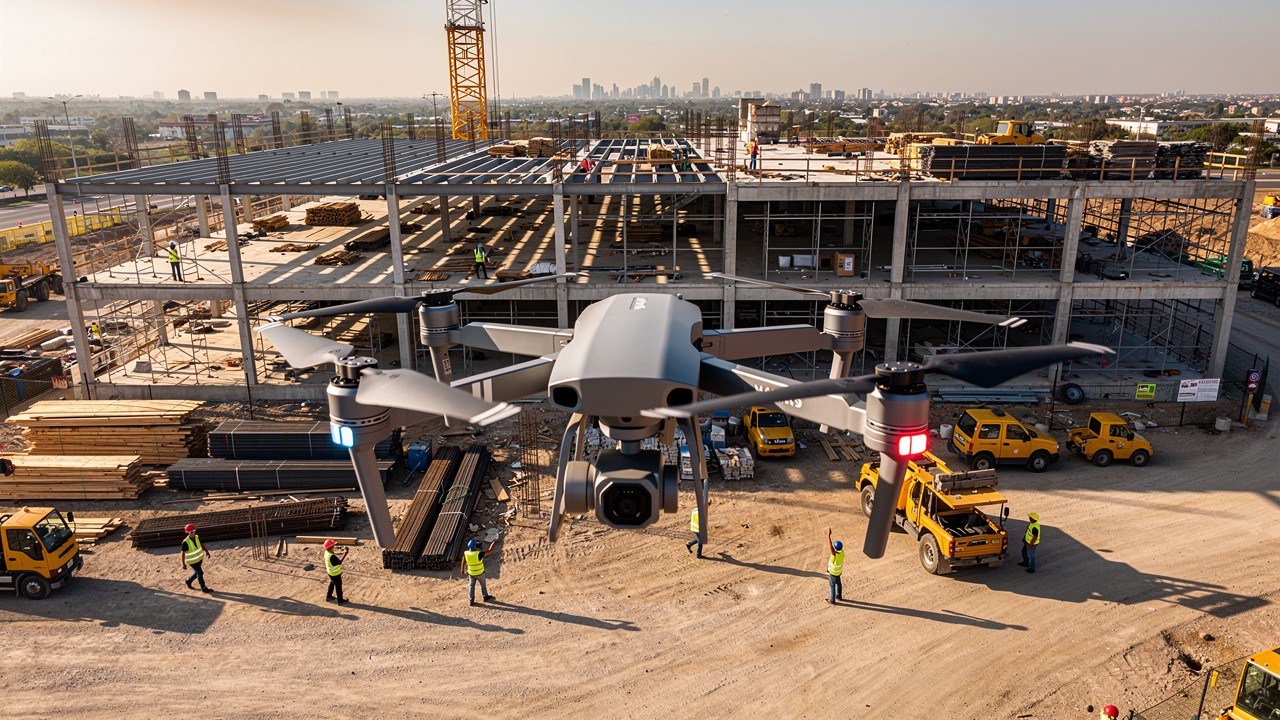
A commercial drone licence opens more than one door. Some people become full‑time pilots. Others stay in their trade or profession but add drones as a powerful extra tool that increases their value to employers or clients.
Because drones collect imagery and data in ways that were previously slow or expensive, more industries add them to standard workflows every year. That steady growth means a pilot with current skills and solid training can find work across many sectors.
High-Demand Industries for Commercial Drone Pilots
Construction and engineering use drones for asset management, progress photos, and inspections. Instead of sending workers onto roofs or scaffolds, companies can inspect cladding, gutters, or towers from the air. Regular flights create a record of site progress for clients, regulators, and financiers. Some firms also use photogrammetry from drones to build 3D models for design checks and volume calculations for stockpiles.
Agriculture and land management benefit strongly from aerial data. Multispectral or thermal cameras can show crop stress, water issues, or pest damage long before they are visible from the ground. Spraying drones apply fertiliser or chemicals with precise targeting and reduced ground compaction, while other platforms drop seed or beneficial insects. Livestock monitoring, fence checks, and dam inspections also become faster and safer with aerial views.
Real estate and property marketing now rely on aerial images for many listings. A drone reveals the layout of a property, proximity to features like beaches or parks, and the feel of a neighbourhood. For developers, drones can show future view lines from higher levels of planned buildings. Quality aerial footage can help properties stand out in crowded markets.
Media, film, and content creation use drones for dynamic shots that once required expensive cranes or helicopters. Drone pilots work on television, commercials, documentaries, social media campaigns, and live events. Some of these jobs need night operations, flights over water, or complex moves around structures, which often bring ReOC approvals into play.
Mining, resources, and energy industries use drones for stockpile volumes, pit surveys, haul road checks, and asset inspections on structures such as wind turbines, solar farms, and power lines. Drones access hazardous or hard‑to‑reach places without sending people into high‑risk zones. They can also support environmental monitoring and rehabilitation programs.
Public safety and emergency services rely more each year on aerial views. Police, fire, and rescue teams use drones for search and rescue, fireground mapping, flood assessment, and accident scene documentation. Local councils and state agencies also employ drones for beach safety, coastal erosion tracking, and infrastructure checks after storms.
Surveying, mapping, and spatial services use drones with high‑accuracy GPS and, in some cases, drones and LiDAR. They deliver detailed terrain models, orthophotos, and 3D reconstructions. Survey and planning firms often look for pilots who combine RePL with formal surveying or GIS skills.
Career Roles and Business Models
A commercial drone pilot in Australia can work in several ways, including:
-
Freelance operator – quoting job by job for builders, agents, farmers, or councils.
-
In‑house pilot – working for construction firms, mining companies, media houses, utilities, or government agencies, operating drones as part of a broader job description.
-
Small drone business owner – running operations under a ReOC, building a client base, and eventually hiring other pilots.
-
Specialist or instructor – moving into training roles as flight instructors or theory trainers, or focusing on niches such as BVLOS, agricultural spraying, or inspection work.
As more sectors integrate drones into routine work, pilots who combine licences with domain knowledge (such as construction, farming, or GIS) often find strong demand.
Specialised Advanced Operations and Additional Training
Once a pilot has a solid base with a RePL and some field time, more advanced operations become possible. These tasks often involve higher risk, more complex airspace, or more advanced aircraft and sensors, so CASA asks for extra approvals and stronger procedures.
Advanced skills can lead to higher‑value work. Clients are often willing to pay more for services that require night operations, long‑range inspections, or specialist platforms, because fewer pilots can offer them.
First-Person View (FPV) Commercial Operations
First‑Person View flying uses goggles that show a live feed from the drone’s camera, giving a strong sense of sitting on the aircraft. This style allows tight, flowing moves for dramatic footage. It is popular in drone racing and in the film world for “one take” indoor or fast‑moving outdoor shots.
For commercial FPV work, CASA expects careful planning. The pilot usually needs a ReOC, a spotter to keep direct sight of the aircraft, and clear emergency procedures. FPV aircraft often fly close to structures or inside buildings, so risk management must be thorough.
Special FPV courses help pilots adjust from standard camera drones to agile FPV rigs. They cover equipment setup, failsafe configuration, and legal considerations for this intense style of work.
Extended Visual Line-of-Sight (EVLOS) and Beyond Visual Line-of-Sight (BVLOS)
Extended Visual Line‑of‑Sight operations use trained observers to keep sight of a drone when it flies beyond the pilot’s direct view. Observers watch the aircraft and report its position and any hazards back to the pilot by radio. This setup makes it possible to cover long fence lines, pipelines, or powerlines while keeping within CASA’s safety aims.
Beyond Visual Line‑of‑Sight takes this a step further. The drone flies in areas where no crew member can see it directly. Control relies on telemetry, cameras, and often additional technology such as ADS‑B receivers or other detect‑and‑avoid aids. BVLOS operations suit wide‑area surveys, large farms, remote resource projects, and some public safety tasks.
Both EVLOS and BVLOS require a ReOC and detailed CASA approval. Operators must show strong communication systems, documented risk controls, and appropriate equipment. Training for these missions builds on core RePL knowledge and emphasises planning, procedure design, and advanced airspace awareness.
Industry-Specific Manufacturer Training
Some commercial platforms, especially in agriculture and heavy industry, are highly specialised. Examples include DJI Agras and XAG spray drones, or larger inspection aircraft with custom gimbals and sensors.
Manufacturer‑aligned training covers more than basic flying. It includes safe chemical handling and filling for spray drones, advanced mission planning in manufacturer software, detailed maintenance, and safe transport. It also looks at best practice for field support, spare parts, and record‑keeping.
Agricultural contractors, farm managers, and rural service providers who want to run these systems at scale benefit from this training. Drone Training Hub stays aligned with industry practice so that core licensing can link smoothly with these specialist courses.
Course Costs, Payment Options, and Enrolment Process
Commercial drone training in Australia is a clear financial commitment, but it usually repays itself quickly through paid work or higher‑value roles. Understanding typical course fees, payment choices, and entry steps helps people plan with confidence.
Quality training includes online theory, instructor support, in‑person flight assessment, and CASA application processing. Cheaper offers that strip parts out may cost more in the long run if extra fees appear later or if re‑training is needed.
Course Costs and What Is Included
Standard RePL courses for sub‑7 kg drones usually sit between about 1,500 and 3,000 Australian dollars. Prices vary with location, class size, support levels, and whether extra items such as AROC training are included.
Essentials‑style packages that combine RePL and AROC often sit slightly higher, in the 2,500 to 3,500 dollar range. These packages suit pilots who expect to work near controlled airspace or want broader options from the start.
Professional packages, which combine RePL, AROC, and guided ReOC application support, usually run from about 3,500 up to 5,000 dollars. They make sense for people who plan to run a dedicated drone business and want a clear, supported path through CASA approvals.
In a well‑designed course, fees cover:
-
access to full online theory material,
-
practice exams,
-
instructor support,
-
in‑person flight assessment with aircraft provided, and
-
CASA application and processing fees.
Hidden extras such as separate CASA charges, exam resit fees, or aircraft hire can make a “cheap” course more expensive than it first appears.
Drone Training Hub uses clear, inclusive pricing. Course pages explain exactly what is covered, and that includes CASA fees and practical assessment, so students can budget without surprise charges later.
Payment Options and Financial Accessibility
Many providers now offer flexible payment options for commercial drone training in Australia. Upfront payment by card or bank transfer remains common, but instalment plans are also increasingly available.
Payment plans let students spread the cost over several months, which helps career‑changers or contractors who prefer to match payments to income. Some employers will pay for training where drones support the business, such as construction firms, councils, or farms, so it is worth raising the topic at work.
When weighing costs, it helps to compare training fees with typical job rates. A small number of good commercial jobs can often repay a significant part of the course fee quite early.
Simple Enrolment Process
For RePL and most commercial drone training in Australia, entry requirements are straightforward. Students usually need to be at least 16, have basic English and numeracy skills, and hold a CASA Aviation Reference Number. Providers can guide students through the quick online ARN application.
available courses itself is usually done through a web form or a short phone call. After payment, students receive login access to the online theory portal along with a welcome pack that explains study tips, support contacts, and how to book practical days.
Drone Training Hub assigns a training manager who stays in touch from enrolment to certification. Students can start theory study straight away, fit it around work or family, and then lock in a practical date once they feel ready.
Why Choose Drone Training Hub for Your Commercial Drone Certification
With several providers offering RePL training in Australia, it helps to look closely at who designs the course, how they teach, and how they support students after they pass. Drone Training Hub focuses on clear explanations, strong safety culture, and practical outcomes.
The brand is built by working drone pilots who know what it feels like to stand on a windy site with a client watching and a timeline ticking. That experience shapes how theory is written, what scenarios appear in practice questions, and which skills are emphasised in practical sessions.
Our Training Approach
Drone Training Hub uses plain English across all theory content. Aviation law and airspace structures can look dense when read straight from a manual. Instructors break those topics into simple language, diagrams, and short examples that connect to real operations such as inspections, mapping, or media shoots. When students understand why a rule exists, they are more likely to follow it without constant reference to notes.
Safety sits at the centre of every module rather than as a final chapter. From the first lesson, training covers risk assessment, safe distances, and emergency plans. Mission planning exercises always include “what if” checks for people, property, and other aircraft, so students form habits that carry into their commercial work.
The course design focuses on successful commercial flight. Each topic links back to questions such as how to brief a site contact, how to check airspace around a rural strip, or how to report an incident properly. Practical assessment is designed to feel like a typical commercial task rather than a rigid pattern that students never see again.
Support is another key part of the Drone Training Hub method. Students have access to regular online tutoring sessions to discuss any topic they find tricky. Training managers keep an eye on progress and reach out if students pause for too long. After certification, pilots can still ask for guidance about CASA forms or operational questions.
Nationwide assessment options make training practical for more people. Drone Training Hub runs in‑person components in major cities and selected regional centres, and can discuss custom arrangements for groups or remote teams. This helps businesses upskill staff without major travel costs.
Our Commitment to Your Success
Drone Training Hub measures success by what graduates do in the field, not just by how many pass exams. The aim is confident, safe, and employable pilots who can plan and deliver professional work across Australian industries.
Courses are reviewed and updated as CASA rules change or new industry practices appear. That way, new students learn current information rather than outdated procedures. The team gives honest advice about which certifications suit each person’s goals, instead of pushing unnecessary packages.
Most of all, Drone Training Hub builds long‑term relationships. Graduates are welcome to return with questions, seek guidance on next steps such as ReOC applications, or explore advanced training options. The focus stays on clear guidance, consistent support, and practical skills that hold up in real operations.
Frequently Asked Questions About Commercial Drone Training in Australia
Commercial drone licensing can feel confusing at first glance, especially for people with no aviation background. These common additional FAQs help clear up some of the main concerns.
Question 1 – Do I need to own a drone before starting commercial training?
You do not need to own a drone to begin. Reputable training organisations supply aircraft for all practical components and assessments, which removes pressure to choose a model too early. Many students prefer to complete their RePL first so they understand weight classes, feature sets, and regulatory limits before buying. Drone Training Hub provides assessment aircraft and can offer advice and graduate discounts when students are ready to purchase.
Question 2 – How long does it take to become a certified commercial drone pilot in Australia?
Timeframes depend on personal schedules and study habits, but many people finish within a couple of months. The self‑paced theory component often takes between two and six weeks when studied a few nights a week or on weekends. Once theory is complete, the practical assessment usually takes a full day and can often be booked within a short window. Motivated students who can study intensively sometimes move from enrolment to RePL in as little as one to two weeks if assessment dates line up.
Question 3 – What is the pass rate for the RePL exam, and what happens if I do not pass first time?
Good drone training education typically see first‑time pass rates in the range of about eighty‑five to ninety‑five percent. They achieve this by offering practice exams, revision sessions, and access to instructors who can clarify tricky topics. If a student does not pass theory, they can usually sit a second attempt after more study, subject to the provider’s policy. If a practical check does not meet the standard, extra coaching sessions can be arranged before a follow‑up test. Drone Training Hub designs theory and practice to prepare students thoroughly so most pass with confidence on the first attempt.
Question 4 – Can I fly commercially with just an Excluded Category sub‑2 kg registration, or do I really need a full licence?
Yes, it is legal to fly certain drones under 2 kg commercially within CASA’s Excluded Category rules, as long as the drone is registered, the pilot holds an ARN, and all standard conditions are followed. However, flying without formal training makes it far easier to break rules without noticing, especially around airspace and distance from people. Many clients also prefer pilots with a RePL because it signals structured learning and assessment. For serious or long‑term commercial work, sub‑2 kg training is a useful base, but a full RePL gives better professional standing and far more flexibility.
Question 5 – What is the difference between a RePL and a ReOC, and do I need both?
A RePL is an individual licence that allows a person to fly drones commercially within normal conditions. A ReOC is a certificate granted to a business or sole trader that allows more complex operations under that entity’s procedures. Many freelance pilots operate successfully with only a RePL by staying within standard CASA limits and often under another organisation’s ReOC. If someone plans to run their own drone business with night work, close‑proximity flights, or multiple pilots, they will usually aim for both a RePL and a ReOC.
Question 6 – Are there age restrictions for obtaining a commercial drone licence in Australia?
Drone regulations a minimum age of sixteen for the issue of a RePL. There is no formal upper age limit, and commercial drone work attracts both younger starters and older career‑changers. Some vocational courses at institutes such as TAFE may set their own minimum age, often eighteen, for enrolment. All pilots need physical and mental capacity to operate controls safely and maintain awareness of surroundings.
Question 7 – What career opportunities exist for commercial drone pilots in Australia?
Commercial drone pilots in Australia can work across construction, agriculture, real estate, media, mining, surveying, emergency services, and more. Jobs range from freelance operators who quote per project, through in‑house roles with larger companies, to owners of dedicated drone service businesses. Some pilots later become instructors or technical specialists. As more sectors adopt drone technology, demand for trained, licensed pilots continues to grow.
Conclusion
Australia’s commercial drone sector keeps expanding as more industries realise how fast and cost‑effective aerial data can be. From mapping a new subdivision to checking livestock or filming a coastal sunrise for a tourism campaign, drones now support real, paid work across the country.
Proper CASA certification is the doorway into this work. Whether a person wants to shift careers, add value to an existing role, or build a new drone services business, a structured commercial drone pilot course is the safest and most direct path. It builds knowledge, practical skill, and a professional reputation that stands up under client and regulator scrutiny.
Training is an investment, but one that many pilots repay quickly with only a handful of commercial jobs. The more solid the training, the more confident and flexible the pilot, and the easier it becomes to win and keep good contracts.
Choosing the right training provider makes the path smoother. A provider that explains content clearly, focuses on safety, and stands beside students through CASA paperwork and practical checks gives far more than a paper certificate. Drone Training Hub is built around that idea, with training created by working pilots for real operations in Australia.
For anyone ready to turn their interest in drones into paid, legal, and safe work, the first step is simple. Decide on the level of operation you want, enrol in the right course, and let a structured program guide you from first log in to licensed, professional flights. Drone Training Hub is ready to support that move with clear teaching, strong safety focus, and ongoing help as careers grow.