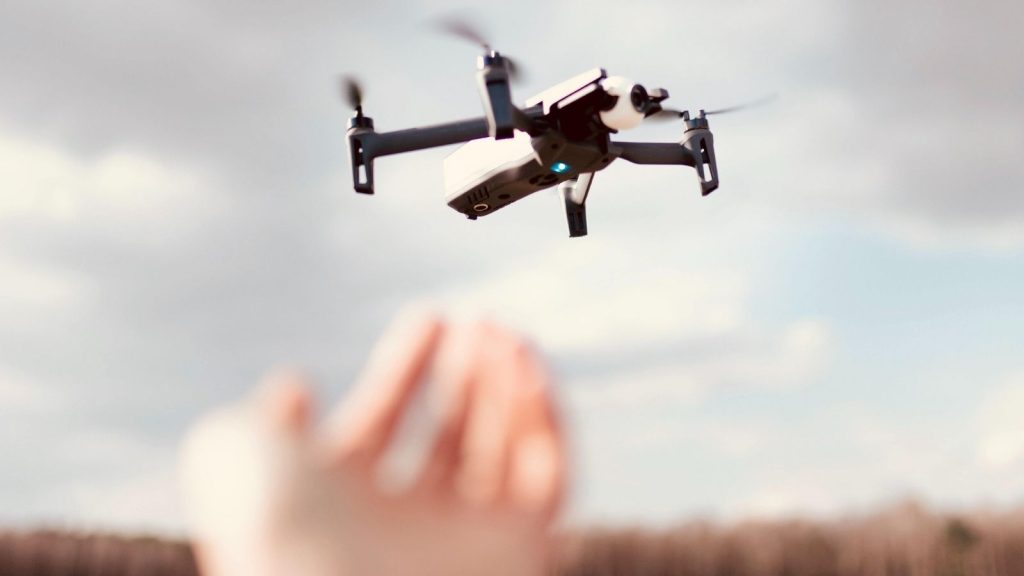
On a busy Brisbane worksite, a small drone can now do what once took a survey crew, a cherry picker and half a day. That is why Drone Training Brisbane is no longer about flying a toy for fun. It is about adding a serious, high‑value skill to a career or a business.
Why Drone Training In Brisbane Is A Future-Proof Opportunity
The moment someone gets paid to fly, they step into aviation under the Civil Aviation Safety Authority (CASA), and as analysis of Drone Warfare in Ukraine demonstrates, the rapid professionalisation of drone operations globally underscores just how critical structured training and operational discipline have become across all sectors. That means rules, paperwork and, for most real jobs, proper drone pilot training in Australia. Without the right licence and knowledge, it is easy to break the rules around people, airspace or privacy, and that can damage both safety and business reputation.
CASA‑accredited RePL training and licences such as a Remote Pilot Licence (RePL) and, later, a Remote Operator’s Certificate (ReOC) now sit at the gate of better contracts, insurance cover and employment. Drone Training Hub gives a clear, plain‑English pathway through this, combining online theory with regular practical blocks for Drone Training Brisbane so people can learn around work.
This article walks through how the rules work, what is inside a quality RePL drone flying course in Australia, how training supports industries across South East Queensland, and how teams can scale their capability. It is written for contractors, career changers, serious hobbyists and business owners who want safe, legal and profitable drone training for commercial use.
“Drones are not toys anymore; they are tools. The difference is training.” – Industry trainer, RPAS sector
Key Takeaways
-
Commercial drone work around Brisbane means stepping into aviation, not just using an app and a small drone. Formal training helps people understand CASA rules, local airspace, and how to fly safely on real sites. That brings peace of mind for both pilots and managers.
-
A CASA Remote Pilot Licence (RePL) is now the baseline licence for professional drone work in Queensland and across Australia. It supports a recognised commercial drone licence Australia employers can trust. Many tenders and job ads list RePL as a must‑have, not a nice extra.
-
Quality Drone Training Brisbane should blend flexible online learning with hands‑on flight training and assessment. This style suits busy tradies, engineers and career changers. People can work through theory at home, then focus on flying skills during a short Brisbane practical block.
-
Businesses and teams that invest in commercial drone training gain safer sites, better data and stronger compliance. Trained pilots can carry out repeatable surveys, inspections and marketing captures. Managers gain clear records to show insurers, clients and auditors.
-
Drone Training Hub offers CASA‑aligned RPAS training course options with honest pricing, friendly support and clear next steps. There is a simple path from solo RePL pilot through to team drone operator training and ReOC guidance for organisations building long‑term drone capability.
Understanding Drone Training And Licensing In Brisbane
CASA regulates all remotely piloted aircraft across Australia, from small hobby drones to heavy inspection platforms, and research into recreational drones and third-party liability confirms that even hobbyist operators face real legal and insurance obligations. The same Part 101 rules that apply in remote areas also apply over Brisbane suburbs and work sites. Drone Training Brisbane helps people read those rules properly, instead of guessing from apps or social media.
For some low‑risk work, the Excluded Category covers drones under 2 kg flown in standard conditions. Under this rule, a person can do small jobs like simple real estate photos without a Remote Pilot Licence, as long as they follow the safety rules.
However, even in this category:
-
Many insurers ask for proof of training.
-
Larger clients often prefer a drone certification Queensland record.
-
A basic course helps reduce the chance of incidents and claims.
As soon as work involves heavier aircraft, more complex sites or flying under a company approval, a Remote Pilot Licence (RePL) becomes important. This licence sits at the heart of drone pilot training Australia wide. It is needed for most commercial drone operations over 2 kg, for flying under a company’s Remote Operator’s Certificate, and for many infrastructure, construction and agricultural tasks near busy areas or controlled airspace.
A Remote Operator’s Certificate (ReOC) is different. A RePL is an individual licence, while a ReOC is an organisational approval. Businesses that want to:
-
Run fleets of drones
-
Employ multiple pilots
-
Handle more complex or higher‑risk jobs
often move towards a ReOC with support from providers such as Drone Training Hub. That is where UAV operator course content and drone compliance training Australia become important for managers, not just for pilots.
Some operations, especially near major aerodromes, also need an Aeronautical Radio Operator Certificate (AROC). This allows radio calls to Air Traffic Control and crewed aircraft. Many pilots complete AROC after their UAV pilot certification, as their work grows near transport corridors or tall structures.
Choosing the right path for Drone Training Brisbane starts with a clear view of these categories:
-
A serious hobbyist might start with an excluded‑category style program, then move into RePL.
-
A contractor running a drone services arm may need both RePL and ReOC support.
-
Councils and utilities often plan for multiple RePL‑qualified staff plus a ReOC over time.
Good training providers give honest advice so people do not under‑ or over‑spend and can match licences to real‑world work.
What You Actually Learn In A Brisbane RePL Drone Training Course
A good RePL course is not a dry legal lecture. Drone Training Brisbane through Drone Training Hub is built for people who may never have opened an aviation textbook before. The content is in plain English, with diagrams, short videos and real examples from worksites around Queensland.
The theory side covers aviation law and CASA regulations in a way that links straight to jobs. Students learn what Part 101 says about heights, people, aerodromes and controlled airspace, then see how that plays out on:
-
A Brisbane roof inspection
-
A civil earthworks survey
-
A real estate shoot near controlled airspace
This gives a strong base for a professional drone pilot certification that holds up if a flight is ever reviewed or questioned.
Airspace is another major topic. You learn:
-
How controlled and uncontrolled airspace differ
-
How Brisbane’s control zones and approach paths work
-
How to read simple aeronautical charts and NOTAMs
This ties into drone certification Queensland by showing where a pilot can fly freely, where they must gain approvals, and where operations are not allowed at all.
Meteorology and human factors round out the safety picture. Students look at how:
-
Wind and sea breezes affect stability
-
Summer storms, heat and humidity impact battery life
-
Visibility and cloud ceiling affect legal flight limits
They also study decision‑making, fatigue, distraction and crew communication. This matters for drone flight training Australia wide, but is especially relevant on busy construction or farm sites where pressure and noise are common.
Risk planning and emergency handling form a big part of the practical mindset. Training covers:
-
Job planning and risk assessments
-
Site checks and safe set‑up areas
-
Take‑off and landing zones
-
What happens if GPS drops out or a battery drains faster than planned
Logging flights, maintenance and incident reports is also part of a serious drone flying course Australia employers respect. Good record‑keeping supports insurance claims, audits and tender responses.
On the flight line, Drone Training Hub instructors guide students through:
-
Pre‑flight checks and aircraft configuration
-
Controlled take‑offs and smooth landings
-
Stable hovering and square patterns
-
Orbits and basic mapping runs
Simulated issues, such as gusty wind or an unexpected person entering the area, help new pilots react calmly. By the end, graduates are ready to pass assessment and feel confident to fly for real clients under real‑world limits.
“Training should not just teach you how to pass a test; it should teach you how not to have an accident.” – Aviation safety principle, adapted for RPAS
How Drone Training Hub Supports Brisbane’s Commercial Operators And Growing Teams
Drone Training Hub designs Drone Training Brisbane around real work and busy schedules. The blended pathway starts with self‑paced online modules that anyone across Australia can begin as soon as they enrol. Videos, diagrams, audio and quizzes help people move through the RePL theory at their own speed, whether they are on a mine site, in an office or at home after hours.
Once the theory is complete, students book into an intensive, instructor‑led practical block. These sessions run regularly in Brisbane and other hubs. Across a few focused days, pilots complete hands‑on flying and CASA‑approved assessment for their RePL drone licence Australia standard. This structure keeps time away from work short while still giving plenty of stick time and face‑to‑face coaching.
For businesses, Drone Training Hub offers commercial drone training that scales with demand:
-
Teams can send staff to scheduled Brisbane practical blocks.
-
For groups of around five or more, managers can request on‑site practical training at their own facility, subject to safety checks and availability.
-
New starters can begin online theory straight after enrolment, rather than waiting months for a class intake.
This supports corporate drone training programs and team drone operator training where everyone learns the same safe methods and checklists. It also helps standardise:
-
Risk assessments
-
Pre‑flight checks
-
Documentation
-
Data handover processes
Industry context sits at the centre of the teaching style. For example:
-
Construction supervisors see examples of site surveys, stockpile checks and progress photos.
-
Councils and asset managers work through roof, bridge and corridor inspections.
-
Agricultural clients explore crop checks, water points and fence runs.
This focus helps drone training for businesses feel relevant from day one and builds habits that line up with existing WHS systems and safe‑work procedures.
Safety and compliance are built into every step. Pricing is transparent and includes CASA processing and assessment fees, so managers can budget easily. Graduates and employers can then talk with Drone Training Hub about follow‑up support, such as:
-
Guidance towards a ReOC
-
Refreshers when rules change
-
Extra drone compliance training Australia wide as fleets grow
Flexible payment options are also available, which helps career changers and smaller contractors spread the cost while they move towards a certified drone pilot Australia career path.
Future Opportunity: Where Drone Training In Brisbane Can Take Your Career Or Business
Demand for skilled drone pilots across South East Queensland keeps rising, supported by growing institutional investment in the sector through initiatives such as the Drones Collaborative Research Platform at the University of Queensland.
Common uses include:
-
Construction and civil projects relying on drones for stockpile checks, cut and fill measurements and progress tracking
-
Infrastructure owners needing regular bridge, tower and roof inspections
-
Farms and agribusiness using drones for crop health snapshots, water checks and livestock counts
-
Real estate and media teams using aerial shots to win attention in a crowded market
Drone Training Brisbane sits at the centre of all these tasks.
For individuals, a RePL is now a common line in job ads and contractor briefs. It supports a commercial drone licence Australia wide and shows a person has completed structured training, not just learnt by trial and error. From there, pilots can build towards specialist roles in:
-
Mining and quarry operations
-
Utilities and energy (powerlines, solar, wind)
-
Local government and environmental monitoring
-
Emergency services support and search tasks
-
Creative media and live event coverage
With time and more study, some move on to EVLOS, night VLOS or similar approvals, once their employer gains the right permissions and operational approvals.
Businesses with trained teams gain clear, practical benefits:
-
A safer drone program reduces the need for staff to climb roofs, enter confined spaces or work near live traffic as often.
-
Data comes back faster and in a more consistent format, which supports planning, claims, progress reports and audits.
-
Instead of booking an external operator for every small job, a company can decide when to keep work in‑house and when to call in a specialist.
After RePL, many organisations look at a Remote Operator’s Certificate so they can manage their own approvals and pilots. Drone Training Hub supports this step with plain‑English advice, pointing managers towards what CASA expects and how to build a workable operations manual, checklists and training records. Ongoing refresher training helps pilots stay up to speed as rules and drone technology shift over time.
The key message is simple. It is realistic to start small with one or two staff completing Drone Training Brisbane, then add more pilots and approvals as returns grow. Those who move early gain skills, confidence and stronger market position while the use of drones across Queensland keeps growing.
“The best time to build internal drone capability was a few years ago. The second‑best time is now.” – Adapted from a common business saying
Conclusion
Commercial drone work around Brisbane now sits firmly inside a regulated aviation system. Flying for a boss or a client is no longer just about owning a small drone; it means understanding CASA rules and holding the right licence. A Remote Pilot Licence is the professional starting point, not an extra, and Drone Training Brisbane is the gateway to that step.
By investing in CASA‑aligned training with Drone Training Hub, pilots and managers gain a clear view of the rules, real‑world flying skills, and habits that support safer sites and stronger data. Courses mix flexible online learning with focused practical blocks in Brisbane, taught by active commercial pilots who understand local airspace, weather and work practices.
Drone Training Hub stands out with its practical, supportive teaching style, honest pricing and team‑friendly options. Whether the goal is to add a new income stream, standardise a company drone program, or prepare for a future ReOC, the pathway is laid out in simple steps.
The next move is to act:
-
Check current Brisbane practical dates.
-
Or contact Drone Training Hub for a group proposal if several staff need training.
-
Career changers and serious hobbyists can start their RePL today and put themselves in line for roles across construction, agriculture, media, infrastructure and more right across Queensland.
FAQs
Do I Need A Remote Pilot Licence (RePL) To Fly A Drone Commercially In Brisbane?
If the drone is under 2 kg and flown under standard conditions, some simple jobs may sit in CASA’s Excluded Category. Even then, many insurers and clients now prefer or require a RePL because it shows formal training and safer practice. If you are serious about commercial drone training and paid work, a RePL is the safe baseline in Queensland.
How Long Does It Take To Complete RePL Drone Pilot Training In Australia?
With Drone Training Hub, most students complete self‑paced theory over a few days or weeks, depending on work and family. They then attend a short practical and assessment block, often around a week including flight days. The timetable is built to suit working adults and business teams who need an efficient path to their drone licence Australia.
Can Drone Training Hub Train My Whole Team Or Multiple Staff In Brisbane?
Yes. Organisations can send several staff to regular Brisbane practical blocks, or request a group option. For larger teams, on‑site practical training may be possible once the location is assessed for safety. This gives a shared standard of Drone Training Brisbane across the whole crew and makes future onboarding easier, with consistent procedures and records.
What Is The Difference Between A RePL And A ReOC For Drone Operations In Australia?
A RePL is an individual licence that shows a pilot has completed CASA‑approved drone pilot training Australia wide. A ReOC is an approval for a business to run commercial drone operations under its own manuals and procedures. Drone Training Hub helps pilots gain their RePL, then guides organisations that want to explore the ReOC path as their drone capability grows and they start managing multiple aircraft and pilots.