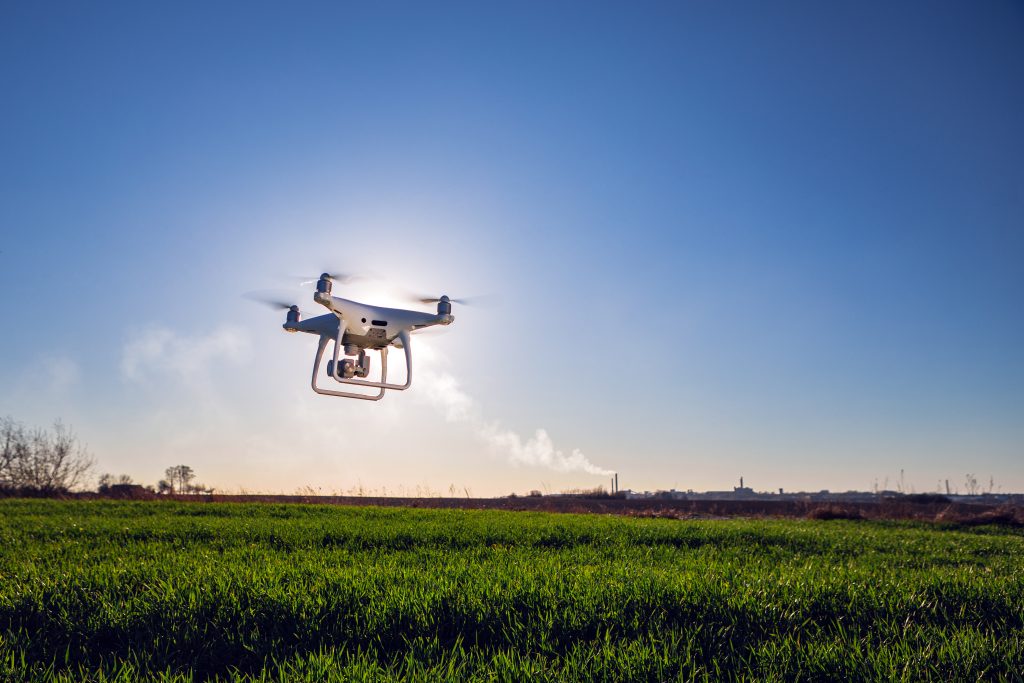
The box is open, the batteries are charged, and the propellers are gleaming. You’ve invested in a sophisticated Remotely Piloted Aircraft System (RPAS), or drone, and you’re ready to turn your passion into a profession. The commercial applications are vast—from stunning real estate photography and detailed site inspections to agricultural mapping and cinematic videography.
But before you launch into your first paid gig, it’s crucial to understand that flying an RPAS commercially is fundamentally different from flying as a hobbyist. It comes with a significant level of responsibility, regulation, and required professionalism. The Civil Aviation Safety Authority (CASA) governs the skies in Australia, and non-compliance can lead to hefty fines and serious safety risks.
This guide is your pre-flight briefing. We’ll walk you through the essential terminology, regulations, and practical steps to ensure your first commercial flight is not only successful but also safe and fully compliant.
1. Getting the Lingo Right: RPAS vs. Drone vs. UAV
You’ll see several acronyms and terms used interchangeably, but in the commercial world, precision matters.
- Drone: This is the common, everyday term for an uncrewed aircraft. While widely understood, it’s not the official regulatory term.
- UAV (Uncrewed Aerial Vehicle): A broader term that encompasses the aircraft itself.
- RPAS (Remotely Piloted Aircraft System): This is the official term used by CASA and most international aviation bodies. Critically, the ‘S’ for ‘System’ includes not just the aircraft, but the remote pilot station (your controller), the data link, and any other components needed to fly. When you operate commercially, you are managing a complete system.
Using the term RPAS demonstrates a professional understanding of the industry you are entering.
2. The Regulatory Framework: Flying by CASA’s Rules
This is the most critical area to master. In Australia, how you can fly commercially depends primarily on the weight of your RPAS and the type of operation.
Registration and Accreditation are Mandatory
Before you do anything else, know this:
- Registration: Any drone or RPAS flown for commercial purposes, regardless of weight, must be registered with CASA. Registration is valid for 12 months and is tied to the aircraft’s serial number.
- Accreditation: The person flying (the remote pilot) must hold a flyer licence (often called an accreditation for hobbyists, but required for the very basic level of commercial work too). This involves passing a short online safety quiz with CASA.
These are the absolute bare minimums. Flying an unregistered drone for hire is illegal.
Understanding Operational Categories
CASA has different tiers of operating rules. For most new commercial pilots, the journey starts in the Excluded Category.
The Excluded Category (Sub-2kg Operations)
This category allows you to conduct a limited range of commercial work without needing a full Remote Pilot Licence (RePL), provided you follow a strict set of rules known as the Standard Operating Conditions (SOCs).
- Weight Limit: Your RPAS must have a gross weight of less than 2 kg.
- Standard Operating Conditions (SOCs): These are non-negotiable.
- Fly only in Visual Line-of-Sight (VLOS). You must be able to see your aircraft with your own eyes at all times.
- Fly only during the day.
- Do not fly higher than 120 metres (400 feet) Above Ground Level (AGL).
- Maintain a distance of at least 30 metres from other people who are not essential to your operation.
- Do not fly over a populous area (beaches, parks, sports ovals during an event, etc.).
- Respect restricted airspace. You must not fly within 5.5 km of a controlled aerodrome (airports with a control tower) without permission.
- Fly only one RPAS at a time.
- You must not fly for hire or reward over other people without their consent.
The Excluded Category is a great entry point, but its limitations can quickly become a barrier to more lucrative or complex jobs. What if you need to fly a heavier drone with a better camera? Or operate closer to people for an inspection? That’s when you need to get certified.
The Certified Category: Your Remote Pilot Licence (RePL)
To fly outside the restrictions of the Excluded Category (e.g., flying an RPAS over 2 kg), you need a Remote Pilot Licence (RePL).
- What it is: A RePL is an individual licence, similar to a driver’s licence, that qualifies you to fly specific categories and weights of RPAS for a certified operator.
- Benefits: With a RePL, you can fly heavier aircraft, and under the authority of an organisation with a ReOC (see below), you can gain permissions to operate outside the Standard Operating Conditions (e.g., night flying, closer to people).
- Also Required: AROC. For most RePL training, you will also obtain an Aeronautical Radio Operator Certificate (AROC). This qualifies you to communicate on aviation radio frequencies, which is essential when operating in controlled airspace.
For any serious commercial operator, obtaining a RePL is the logical and necessary next step for professional growth and capability.
3. The Pre-Flight Ritual: Your Checklist for Success
Professional pilots, whether in a 747 or behind an RPAS controller, live by checklists. Rushing this stage is a recipe for failure or disaster. Break your checks into three areas.
A. The Pilot: Are YOU Fit to Fly?
Aviation professionals use the “IMSAFE” checklist, and it applies perfectly to RPAS pilots.
- Illness: Do you have any sickness that could affect your concentration?
- Medication: Are you taking any medication (prescription or over-the-counter) that could cause drowsiness or impair judgment?
- Stress: Are you dealing with any acute stress (personal or work-related) that could distract you?
- Alcohol: Have you consumed alcohol within the last 8 hours? (The CASA rule is “8 hours bottle to throttle”).
- Fatigue: Are you well-rested? Fatigue is a major cause of human error.
- Emotion: Are you emotionally stable? Anger or upset can lead to reckless decisions.
If you can’t answer “yes” to being fit for all these, you shouldn’t fly.
B. The Aircraft: Is Your RPAS Airworthy?
- Physical Inspection: Check the propellers for any chips or cracks. Check the aircraft body for damage. Ensure the gimbal and camera are moving freely.
- Batteries: Are they fully charged? Are they swollen or damaged in any way? Check the temperature—flying with very cold or very hot batteries can severely impact performance.
- Controller: Is the controller fully charged? Are the sticks and buttons functioning correctly?
- Firmware: Is the firmware on your aircraft, controller, and batteries up to date? A surprise firmware update on-site can derail a job.
C. The Environment: Is the Location Safe?
- Airspace: Use a CASA-verified drone safety app (like ‘OpenSky’). Are you near an airport? Are there any flight restrictions, helipads, or other warnings in the area?
- Weather: Check the forecast meticulously. Pay close attention to wind speed and gusts, rain, temperature, and visibility. Know your RPAS’s maximum wind resistance and don’t push the limits.
- On-Site Hazards: Look for power lines, trees, towers, buildings, and other potential obstacles.
- People and Property: Where are the public? Where will they be? Identify a safe launch and landing zone that is well away from people, vehicles, and private property.
4. On the Day: Professional Conduct for Your First Flight
You’ve done the prep work. Now it’s time to execute professionally.
- Arrive Early: Give yourself ample time. Don’t be rushed.
- Site Survey (Walk-through): Even with planning, do a final walk of the operational area. Hazards can appear that weren’t visible on a map.
- Establish a Safe Zone: Set up your launch/landing area. Use cones or signs if necessary to keep the public clear.
- Client Briefing: Briefly and clearly explain to your client what you will be doing, where you will be flying, and any safety instructions for them (e.g., where to stand).
- Final Checks: Power on your system. Check for a solid GPS lock. Check for any magnetic interference warnings. Calibrate the compass if prompted.
- Fly the Plan: Don’t be tempted to perform risky, unplanned manoeuvres to “impress” the client. Stick to the shots you planned. The goal is to be smooth, controlled, and safe. Always maintain that Visual Line-of-Sight.
- Communicate: If you are working with a spotter or team, use clear and concise communication.
5. After Landing: The Job Isn’t Over
- Data Management: Securely back up your footage or data as soon as possible. Format your SD cards ready for the next job.
- Post-Flight Inspection: Give the RPAS a quick look-over for any signs of stress or damage from the flight.
- Log Your Flight: This is crucial! Log your flight hours, location, and the type of work performed. A detailed logbook is a mark of a professional and is essential for proving your experience for insurance or advanced certifications.
Flying an RPAS commercially is an incredibly rewarding field. By prioritising safety, understanding the regulations, and adopting the disciplined approach of a professional pilot, you set yourself up not just for a successful first flight, but for a long and successful career in this exciting industry.
Fly safe, and fly smart.