

Get Your Commercial Drone Licence Australia 2026 Certification Guide
To get a commercial drone licence in Australia in 2026, you must complete CASA-approved training and earn your Remote Pilot Licence (RePL). This involves theory study, practical flight assessments, and applying through the Civil Aviation Safety Authority. Once licensed, you can legally fly drones for paid work across industries such as construction, agriculture, media, and inspection.
How to Get a Commercial Drone Licence in Australia in 2026
In May 2025, something big happened in Australian aviation. There were 38,874 licensed drone operators and only 30,845 conventional pilots. That simple comparison shows how fast drones have moved from hobby toys to serious professional tools, and why a clear 2026 certification guide to get a commercial drone licence in Australia matters.
When money is involved, the rules change. As soon as a drone flight supports a business or earns income, the Civil Aviation Safety Authority (CASA) treats it as commercial work. Flying that job without the right licence can lead to on-the-spot fines up to $10,500, penalties up to $16,500 in court, and even criminal charges if you put crewed aircraft at risk. So a licence is not a nice extra. It is the legal line between safe, professional work and risky, illegal flying.
At the same time, demand for skilled pilots keeps rising. Construction firms want progress shots and site surveys. Farmers need crop mapping and spray operations. Media teams, inspection companies, and emergency services rely on drones for fast, safe data. With the global drone market expected to reach around USD 260 billion by 2030, the people who hold the right certifications stand in the best place to win that work.
We built Drone Training Hub around this reality, to help aspiring commercial pilots navigate the certification process. Our team of real commercial pilots has moved through the CASA system, run operations on real sites, and turned that experience into clear, practical training. In this guide, we walk through how to get a commercial drone licence in Australia for 2026. You will see how the licensing system works, when you need each certification, the exact steps to get your Remote Pilot Licence (RePL), and how to keep growing your skills. By the end, you will know how to move from “interested” to “ready to fly for work” with confidence.
“The best safety device in any aircraft is a well-trained pilot.” — Common aviation saying
Key Takeaways
-
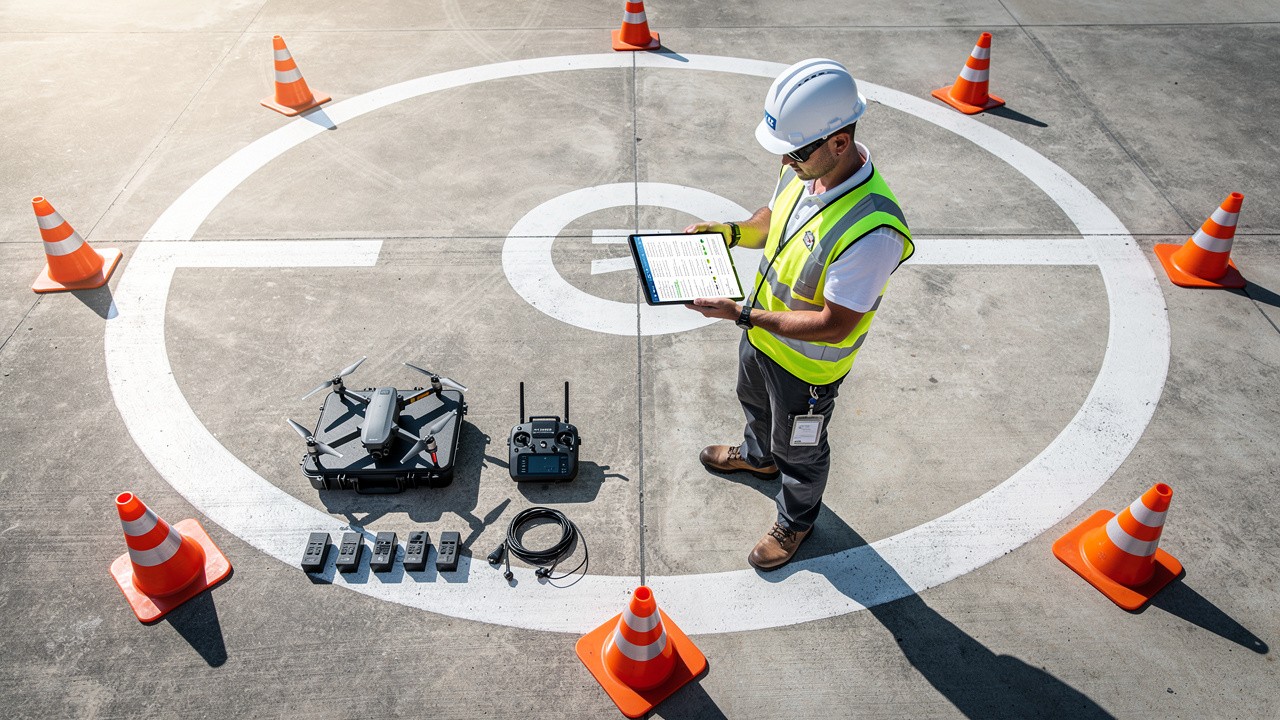
Commercial drone work in Australia usually needs a Remote Pilot Licence (RePL) issued by CASA. That licence proves you have passed both theory and practical checks. It does not expire, so it becomes a long-term part of your professional profile.
-
The process to get an RePL is straightforward once it is broken down. You apply for an Aviation Reference Number (ARN), complete theory and practical training with a CASA-approved provider, pass the assessments, and then wait for CASA to issue your licence. A typical timeline from first decision to licence in hand is around four to six weeks.
-
Operating commercially without proper certification exposes you to heavy penalties and serious risk. At the same time, demand for licensed drone pilots now outstrips conventional pilots, and extra approvals such as an Aeronautical Radio Operator Certificate (AROC) open doors to controlled airspace and higher-value jobs. Keeping an eye on CASA, state rules, and local restrictions is part of working as a trusted professional.
What Is A Commercial Drone Licence In Australia And Why You Need One
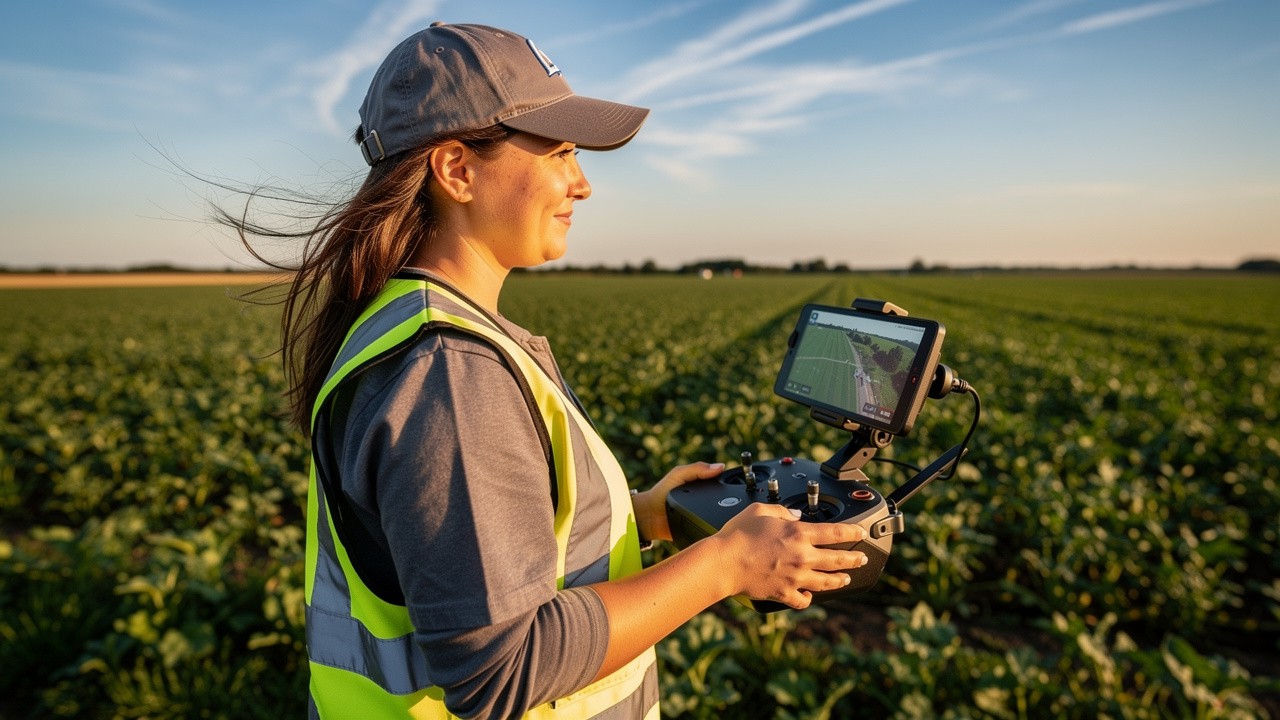
In Australia, a commercial drone licence is called a Remote Pilot Licence, or RePL. CASA issues this personal licence to pilots who have passed both theory and practical assessments with an approved training provider. It shows that CASA recognises you as a remote pilot who understands air law, airspace, and practical flying to a professional standard.
The key difference in law is the reason for the flight:
-
If someone flies for fun as a hobby, they count as a recreational pilot and do not usually need a licence.
-
As soon as the flight earns income or supports a business, it becomes commercial.
That covers a wide range of work, for example:
-
Real estate videos and marketing content
-
Roof and asset inspections
-
Construction mapping and volumetric surveys
-
Thermal scans on solar farms or industrial sites
Weight and operating conditions also matter. Many small jobs use drones under two kilograms, but once a drone is heavier than that, or the work falls outside standard operating conditions, an RePL is usually required. Even with lighter aircraft, many companies prefer or demand pilots with an RePL so they can show regulators, insurers, and clients that they take safety and compliance seriously.
CASA is the national aviation regulator, and obtaining your Complete Australian Drone Licence requires navigating their comprehensive certification process. It writes the rules, issues licences and certificates, and can enforce those rules across Australia. If someone flies commercially without the right approvals, CASA can issue on-the-spot fines up to $10,500. If the case goes to court, that amount can rise to $16,500. If the flight places crewed aircraft in danger, the matter moves into criminal territory and can lead to prison time.
Beyond the legal risk, there is a professional question. Many people say “it is just a drone” and think the worst that can happen is a broken propeller. In real commercial work, a mistake can damage expensive assets, hurt people on site, or disrupt other aircraft in the area. An RePL shows you have learned how to:
-
Plan and fly within airspace rules
-
Assess and manage operational risk
-
Handle weather limits and human factors
-
Follow clear safety procedures and checklists
It also opens the gate to heavier drones, work in controlled airspace when paired with extra approvals, and special permissions for more advanced jobs.
“Aviation in itself is not inherently dangerous. But to an even greater degree than the sea, it is terribly unforgiving of any carelessness, incapacity or neglect.” —
How Much Does It Cost to Get a Commercial Drone Licence in Australia?
The cost of getting a commercial drone licence in Australia typically ranges from $1,500 to $3,000 depending on the training provider and course structure. This usually covers theory instruction, flight training, assessments, and administration. Additional costs may apply if you choose to add qualifications such as an Aeronautical Radio Operator Certificate (AROC) for controlled airspace operations.
Can I Make Money Flying a Drone Without a Licence?
No. In Australia, any drone flight that earns money or supports a business is considered commercial work by CASA. Flying without the proper certification can lead to significant fines and legal penalties. Holding a Remote Pilot Licence (RePL) ensures you can operate legally and demonstrates to clients that you meet professional aviation safety standards.
Ready to Start Your Drone Pilot Journey?
If you’re serious about flying drones professionally, the first step is proper training that meets CASA requirements. Explore Drone Training Hub’s RePL courses and see how our step-by-step pathway takes you from theory to confident commercial operations.