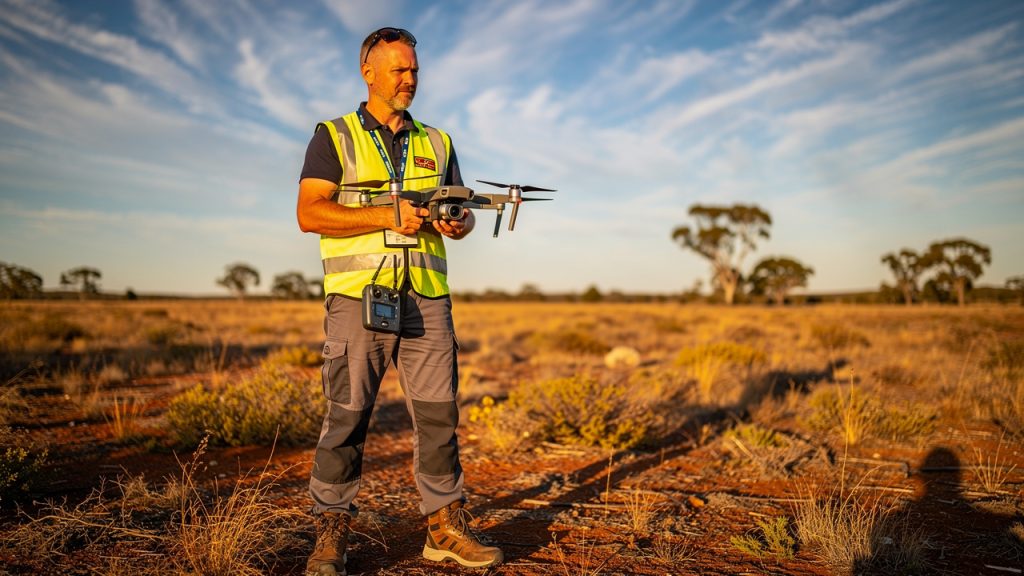
Drone Accreditation vs RePL in Australia: What You Actually Need
Drone accreditation and a Remote Pilot Licence (RePL) are two different CASA certifications for commercial drone pilots in Australia. Accreditation covers small drones under 2kg flying under standard rules, while a RePL is required for heavier aircraft and more complex or higher-risk operations. Choosing the right one depends on your drone weight, job type, and whether you plan to work under a ReOC.
Understanding Drone Accreditation vs RePL in Australia
The first time many people search for drone licensing in Australia, they hit a wall of acronyms. RePL, ReOC, RPA, drone accreditation, CASA operator accreditation. It can feel like trying to read another language when all someone wants is to fly a drone for paid work without breaking CASA drone rules.
At the same time, commercial drone use across Australia has grown rapidly across construction, agriculture, inspection, media, and the public sector, with aviation authorities like the ATSB monitoring safety trends and incidents in this expanding industry. A small quadcopter that once sat in the toy aisle is now a serious tool that can inspect a roof, map a paddock, or film a marketing campaign. With that shift comes one hard truth: the right licence or accreditation is not optional for commercial drone work, it is a legal requirement.
A lot of the confusion sits around two terms that sound similar but do very different jobs: basic drone operator accreditation on one side and the Remote Pilot Licence (RePL) on the other. Many people assume they are the same thing, that one has replaced the other, or that holding one automatically covers every type of paid drone work. That is where costly mistakes happen.
This guide breaks down those two certifications in plain English. It explains what CASA drone operator accreditation is, what a RePL is, who needs which credential, and how ReOC fits in at the business level. It also shows how Drone Training Hub helps people move from “totally confused” to confident about their own drone certification requirements.
By the end, any reader will be able to look at the work they want to do, match it to the right certification pathway, and avoid the risk of non‑compliant flying or wasted training spend.
Key Takeaways
-
Drone accreditation is a free, online certificate from CASA for lower‑risk commercial flying with micro and excluded category drones, mainly under 2 kilograms and under standard operating conditions that already fit many simple paid jobs.
-
A Remote Pilot Licence (RePL) is a formal aviation licence gained through structured drone pilot training with theory and practical assessment, used for heavier drones and more complex operations.
-
Both credentials are CASA aviation tools, but they sit at different levels. Accreditation shows basic knowledge of CASA drone rules, while a RePL shows deeper aeronautical understanding and practical flying skill.
-
Choosing only accreditation when the work actually needs a RePL, or flying commercially with no certification, can leave an operator non‑compliant and exposed to significant penalties and insurance problems.
-
Many operators start with drone accreditation for quick, low‑cost entry to commercial work, then add a Remote Pilot Licence when their business or employer needs heavier aircraft or advanced missions.
What Is CASA Drone Operator Accreditation?
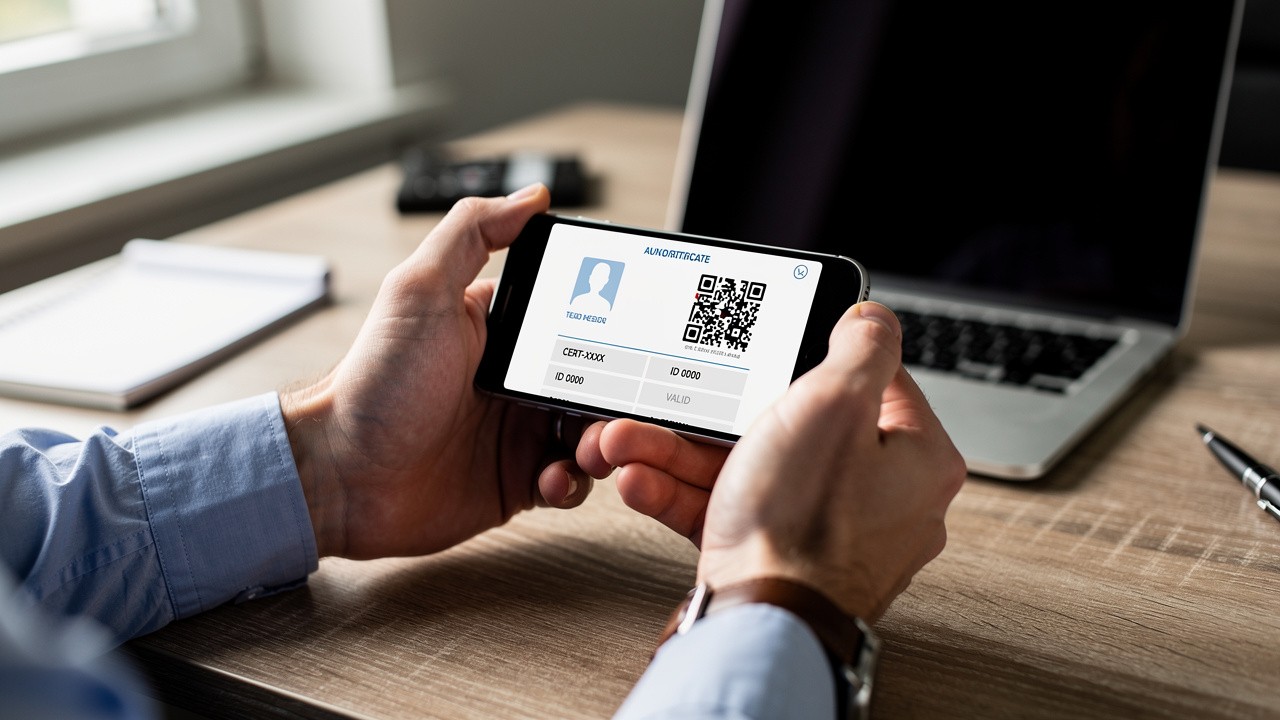
CASA drone operator accreditation is the baseline certificate for non‑recreational flying in Australia with micro and excluded category drones. It is often called drone accreditation, CASA operator accreditation, or RPA operator accreditation, and it sits at the entry point for commercial drone licence requirements. This is not a course run by a training provider. It is a free online process run directly through CASA’s myCASA portal.
Accreditation covers flying micro drones under 250 grams and excluded category drones from 250 grams up to 2 kilograms when used for any kind of non‑recreational purpose. That includes:
-
Running a drone business
-
Using a drone in a job
-
Doing research
-
Filming content that will be sold or monetised
If money or a work task is involved and the drone weighs under 2 kilograms, CASA drone accreditation is usually the starting point.
Anyone who wants this accreditation must be at least 16 years old. Younger pilots can still fly for work, but only while supervised by an accredited adult who is at least 18. The accreditation itself lasts for three years, after which it needs to be renewed online. The process is simple, but CASA expects pilots to keep it current.
A key point is that this certificate proves knowledge of CASA drone rules only. It does not prove practical flying skill or advanced flight planning. There is no flight test. CASA is checking that the pilot understands the standard operating conditions that keep lower‑risk flights safe.
Some people do not need separate drone operator accreditation. If someone already holds a Remote Pilot Licence, or if they fly only for a ReOC holder under that company’s approvals, the extra accreditation step is not required. Purely recreational flyers are also outside this requirement. Even then, drone registration still applies to most non‑recreational drones.
An Aviation Reference Number (ARN) sits at the heart of the process. This personal number links the pilot, their drone registration, and any CASA RPA accreditation or licensing. Creating or looking up an ARN is always one of the first steps inside myCASA.
The Accreditation Process and Requirements
The process to gain CASA drone accreditation is designed to be straightforward, so that any responsible person can meet the law without needing paid training. Everything happens online, and most people finish in an evening.
In simple terms, the steps look like this:
-
Set up a Digital Identity
This allows secure login to government services. It is used to access myCASA, where CASA drone rules, pilot licence records, and drone registrations are stored. -
Create or link an ARN
Once inside the portal, the applicant either creates a new Aviation Reference Number or links an existing ARN to their profile. -
Work through CASA’s learning material
The pilot moves into the accreditation area, where CASA presents:-
A short safety video
-
Written learning material in a plain‑English guide aimed at micro and excluded RPA operations
This content covers standard operating conditions, airspace basics, privacy expectations, and what happens if rules are ignored. Reading and watching this material carefully is important, because the quiz that follows is based on it.
-
-
Complete the online quiz
-
Multiple‑choice questions based on real‑world scenarios
-
Passing score of 85%
-
Unlimited attempts with no extra fees or waiting periods
-
-
Download the accreditation certificate
Once the quiz is passed, CASA generates a digital certificate for the pilot’s drone operator accreditation. This can be downloaded through the myCASA portal and saved to a smartphone wallet such as Apple Wallet or Google Pay. Having the certificate on a phone makes it easy to show proof of accreditation during audits or when working on a client site.
Accredited pilots must also keep basic records of their commercial flights. That might be a simple log that lists date, location, purpose, and any issues. CASA expects these records to be available if they ever need to check how someone is flying.
Standard Operating Conditions Under Accreditation
CASA’s standard operating conditions sit at the centre of both drone accreditation and more advanced credentials. These rules define what an accredited pilot can and cannot do when flying under this simple certificate. Understanding them is vital before saying yes to any job.
Key rules include:
-
The drone must stay within visual line of sight at all times (seeing the aircraft with your own eyes, not just via a screen).
-
Maximum height is 120 metres (400 ft) above ground level, protecting other aircraft operating above that level.
-
The drone must stay at least 30 metres away from any person who is not part of the operation.
-
Flying over people, crowds, or busy beaches and sports ovals while games or events are running is not allowed.
-
Pilots must stay well clear of emergency operations such as fires or accident scenes.
-
CASA expects pilots to respect privacy and avoid causing any hazard or nuisance with their aircraft.
There is also a strong link to airspace rules. Accredited pilots cannot fly within 5.5 kilometres of a controlled aerodrome without proper approval. CASA recommends using a CASA‑verified drone safety app before each flight to check airspace, temporary restrictions, and other local issues.
These standard conditions still cover a large amount of real work. Real estate photography, small roof inspections, basic crop checks, simple construction progress photos, and business social media content often fit well inside these rules. Once a task needs flying closer to people than 30 metres, higher than 120 metres, heavier drones, or special airspace approvals, a Remote Pilot Licence and usually a ReOC enter the picture.
What Is a Remote Pilot Licence (RePL)?
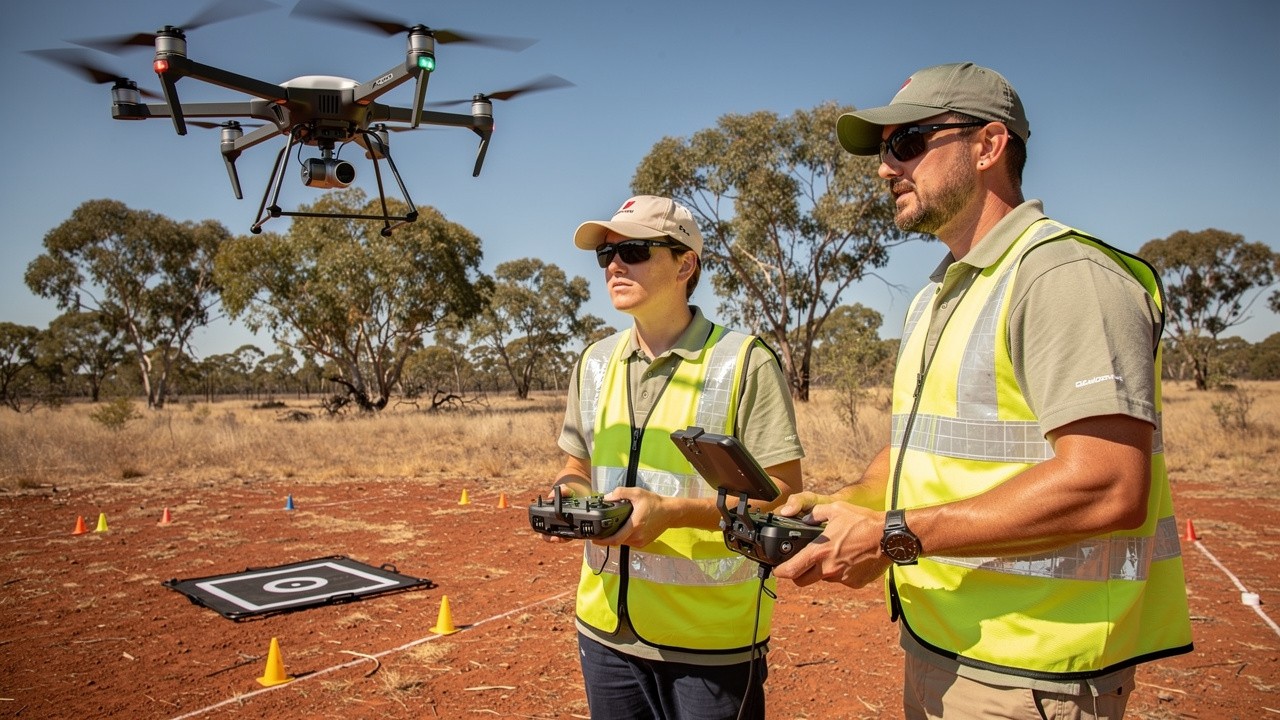
A Remote Pilot Licence (RePL) is the next step up from basic drone accreditation. Where accreditation is a simple online check of knowledge, a RePL is a formal aviation licence that includes structured theory training and a hands‑on flight test. It is similar in concept to a private pilot licence for aircraft, but focused on remotely piloted aircraft systems (RPAS).
RePL certification is not free. It involves paid drone pilot training with a CASA‑approved training provider such as Drone Training Hub. Courses are designed to match CASA’s drone certification requirements, covering air law, meteorology, human performance, navigation, and operational planning. On top of the classroom or online learning, there is a strong focus on practical flying with the specific type of drone the pilot wants endorsed.
Holding a RePL expands what a pilot can do. It is usually required for flying drones over 2 kilograms for commercial work and for working under a Remotely Piloted Aircraft Operator’s Certificate (ReOC). It also forms the base requirement for more advanced approvals, such as operations in controlled airspace, closer flying near people, and night operations, all of which sit outside the basic accreditation rules.
Eligibility for a RePL includes being at least 16 years old and able to understand and use aviation English. The pilot must also have an Aviation Reference Number, which links their licence to CASA records. The licence is issued for specific aircraft categories, such as multirotor, helicopter, or fixed‑wing, and each type requires its own practical endorsement.
In practice, CASA treats the RePL itself as ongoing rather than having a hard expiry date. However, to keep flying commercially under a ReOC or company procedures, pilots are expected to complete flight reviews every two years. Employers and insurers also expect recent experience, so staying current is just as important as getting the licence in the first place.
A RePL is mandatory for many professional drone roles. Mining companies, survey firms, infrastructure inspectors, and specialist mapping providers commonly list a Remote Pilot Licence as a basic hiring requirement. Because of the higher standard of training, RePL holders do not need separate drone operator accreditation for their personal flying.
RePL Training Components and Assessment
RePL training is more than a quick quiz. It is a structured aviation course that builds both knowledge and hands‑on skill so that a pilot can carry out complex operations safely and consistently. Drone Training Hub and other CASA‑approved providers follow similar core content, matched to the Part 101 rules.
On the theory side, pilots study:
-
Aviation regulations that apply to remotely piloted aircraft, including detailed CASA drone rules and how they link to controlled airspace, NOTAMs, and other aircraft
-
Meteorology, covering weather forecasts, cloud, wind, and visibility, so a pilot can judge if a mission is safe or needs to be postponed
-
Aerodynamics and aircraft systems, explaining how multirotors and fixed‑wing drones fly, and what happens when something goes wrong
-
Human factors, focusing on fatigue, workload, and decision making so pilots can manage distractions and avoid common human errors
-
Navigation and mission planning, teaching how to use maps and apps to plan safe routes, select take‑off and landing zones, and consider terrain and obstacles
The practical side includes a minimum number of supervised flight hours, depending on aircraft type and course design. Pilots practise:
-
Pre‑flight checks
-
Normal take‑off and landing
-
Hovering and circuits
-
Emergency procedures such as loss of GPS or simulated motor failure
Instructors help build habits so these checks and responses happen in the right order under pressure.
Assessment comes in two forms:
-
A formal theory exam, usually computer based, with multiple‑choice and scenario questions that must reach a pass mark of at least 70%
-
A practical flight test conducted by a CASA‑approved examiner, where the pilot must demonstrate all required competencies, from planning and briefing through to execution and post‑flight actions
Throughout training, pilots keep a logbook of their flights and exercises. This record shows that they have met minimum training hours and builds a history that supports later work under a ReOC. Course costs vary, but a realistic range for a multirotor RePL is between two and five thousand dollars, with more advanced aircraft types and extras sitting higher.
Operational Privileges of RePL Holders
A RePL opens many doors that basic drone accreditation does not. Once a pilot holds this licence, a much wider set of commercial drone operations becomes possible, often with better pay and larger contracts.
Key advantages include:
-
Ability to fly drones heavier than 2 kilograms for paid work
-
Eligibility to work as a pilot for ReOC holders on larger or higher‑risk missions
-
A base requirement for advanced approvals, such as:
-
Night operations
-
Controlled airspace operations
-
Reduced separation distances from people under specific approvals
-
Beyond Visual Line of Sight (BVLOS) missions, where permitted
-
-
Stronger career prospects in sectors such as surveying, mining, powerline inspection, and large‑scale agriculture
From a career point of view, a RePL signals to employers and clients that the pilot has met an aviation standard of training rather than just consumer drone experience. This builds trust when bidding for work in technical and regulated sectors.
RePLs issued in Australia are recognised across the country and often form a helpful base when seeking recognition in other regions, although extra steps are usually needed for overseas work. For anyone serious about long‑term commercial drone operations, a RePL is a major stepping stone.
Key Differences Between Drone Accreditation and RePL
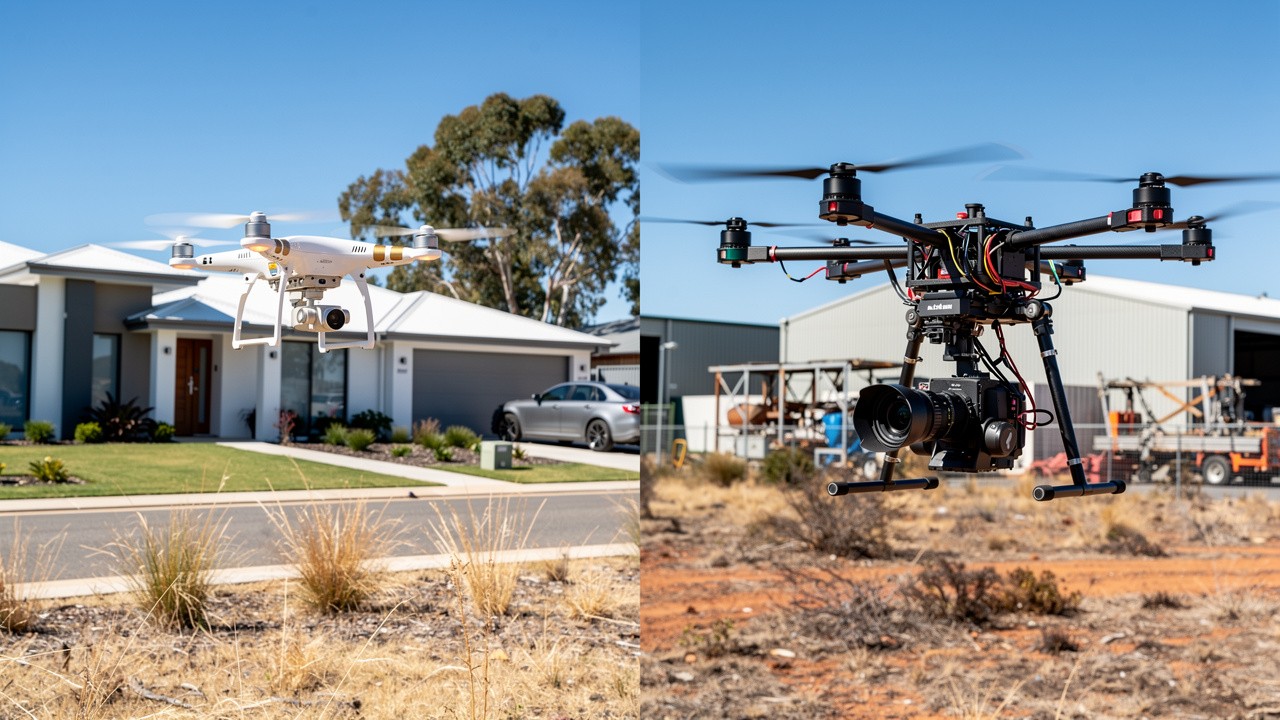
Drone accreditation and a Remote Pilot Licence both sit under CASA’s system for managing remotely piloted aircraft, but they serve very different purposes. Many people see them as two versions of the same thing, yet in practice they work more like a learner driver test compared with a full driver licence.
To make the comparison clear, it helps to look at several areas side by side. These include the level of credential, training commitment, cost, and the real‑world flying each one allows. Seeing them together makes it easier to decide which one matches a person’s needs.
The key idea is that neither is “better” in a general sense. Drone accreditation is perfect for some operators and unnecessary for others who already hold a RePL. A RePL is powerful for advanced work but may be wasted cost for a solo real estate photographer who never leaves standard operating conditions. They are tools for different jobs.
The table below lays out the most important contrasts.
|
Aspect |
Drone Operator Accreditation |
Remote Pilot Licence (RePL) |
|---|---|---|
|
Type of credential |
Basic CASA knowledge certificate for lower‑risk commercial flying |
Formal aviation licence for professional RPA operations |
|
Cost |
Free through myCASA |
Paid course, usually several thousand dollars |
|
Training format |
Self‑study material and short online quiz |
Structured theory course plus supervised flight training |
|
Practical test |
None |
Required flight test with CASA‑approved examiner |
|
Drone weight |
Micro and excluded category, generally under 2 kg |
Includes heavier drones above 2 kg |
|
Typical use |
Simple jobs under standard CASA drone rules |
Work for ReOC holders and complex commercial operations |
Understanding these differences helps stop two common mistakes:
-
People paying for a RePL when their work actually fits under basic accreditation
-
Operators trying to use only accreditation in situations that clearly demand a Remote Pilot Licence and ReOC support
Certification Level and Authority
Drone operator accreditation sits at the entry level of CASA’s system. It is a knowledge certificate that shows a pilot understands key drone safety rules and standard operating conditions for lower‑risk missions. There is no formal training requirement and no flight check. The pilot is responsible for studying the provided material honestly.
A Remote Pilot Licence is a higher tier aviation document. CASA issues it only after an approved training provider certifies that the pilot has completed the required training and passed both theory and practical assessments. The process carries similar weight to other aviation licences, just tuned to remotely piloted aircraft.
Both documents carry legal status under CASA rules, and inspectors can ask to see either during checks. The difference lies in what they prove. A RePL confirms that the pilot has not only learned the rules but has also demonstrated the ability to fly and manage operations in line with aviation standards.
Training Requirements and Assessment
The training pathway for drone accreditation is very light. CASA provides a short safety video and a guide in plain English, followed by an online quiz. The pilot can study at home in their own time, and many people complete the whole process in under two hours.
RePL training is structured and deeper. Pilots attend classes online or in person with instructors who guide them through air law, weather, navigation, radio procedures, human factors, and operational planning. Practical training then applies this knowledge in real flights, under supervision, until the pilot is ready for a formal test.
Assessment mirrors this difference. Accreditation relies on a simple multiple‑choice quiz with an 85% pass mark and unlimited retakes. The RePL path uses a longer theory exam with a 70% pass mark, plus a practical test where every required skill must be demonstrated to a CASA‑approved standard.
Because of this extra depth, RePL training builds judgment, planning habits, and emergency responses that sit far beyond the scope of the accreditation quiz.
Cost and Investment
One of the most attractive parts of CASA drone accreditation is the price. It costs nothing. As long as a person has an ARN and internet access, they can complete it through myCASA without paying any fees, which makes the bar to entry for small commercial jobs very low.
Remote Pilot Licence training is a financial investment. Course fees for a basic multirotor RePL usually sit between two and five thousand dollars, with fixed‑wing or specialist aircraft training often higher. Those fees cover theory classes, instructor time, practical flying, exam administration, and final testing.
On top of that, RePL holders working under ReOC approvals usually need a flight review every two years, which brings additional cost for time with an instructor or examiner. The trade‑off is that a RePL opens access to higher‑value work that is not available to accreditation‑only pilots, which can repay that investment through better rates and more complex contracts.
Operational Scope and Limitations
Drone accreditation allows legal commercial operation of drones under 2 kilograms as long as all standard operating conditions are followed. Flights must stay within visual line of sight, below 120 metres, away from people and crowds, and outside protected airspace without extra approvals.
A Remote Pilot Licence, particularly when combined with a ReOC, supports a far broader set of missions. Pilots can fly heavier drones, work inside controlled airspace with the right permissions, operate for larger clients, and apply for approvals that relax some of the standard distance and time limits.
For many operators the pattern is simple:
-
Accreditation covers property photography, basic inspections, crop checks, and general business content.
-
RePLs power specialist mapping, industrial inspection, heavy‑lift filming, and long‑term contracts where risk and complexity are higher.
Who Needs Drone Operator Accreditation?
Drone operator accreditation is aimed squarely at people who want to use small drones for work while staying within CASA’s standard operating conditions. It gives a legal way to step from pure hobby flying into commercial work without diving straight into long courses and high fees.
The key trigger is the purpose of the flight. As soon as a drone is flown for any non‑recreational reason, accreditation or a higher credential is required, even if no money changes hands. That includes:
-
Filming marketing content for a business
-
Checking farm fences as part of a job
-
Surveying a worksite for internal reporting
-
Creating imagery for research or reports
If the drone weighs under 2 kilograms and the work will stay within line of sight, below 120 metres, away from crowds, and outside controlled airspace, basic accreditation is usually enough from a legal point of view. It does not matter whether the person is a sole trader, an employee, or a volunteer working for a club or council.
Some industries are especially well matched to this level. Real estate operators using a single mid‑range drone for property photos often find that CASA drone accreditation covers all of their work. Small trade businesses that add drone footage to their reports can often do the same.
Accreditation is also a good fit for recreational pilots who want to start making occasional income without jumping fully into the drone industry. It offers a safe, legal way to test commercial work and learn how CASA’s rules operate in practice.
Common Commercial Applications Under Accreditation
There are many real‑world tasks that can be done legally with only drone accreditation, as long as the pilot stays within standard conditions. Seeing examples helps people realise how much work is possible before a Remote Pilot Licence becomes necessary.
Typical applications include:
-
Real estate photography and videography
A single operator can use a sub‑2 kilogram drone to capture marketing pictures and simple video of houses or small commercial buildings, all while staying within line of sight and away from nearby people. -
Wedding and event coverage (with limits)
Pilots can capture wide establishing shots, building exteriors, or empty ceremony locations. They must avoid flying directly over guests or crowded dance floors to stay within standard conditions. -
Construction progress documentation
Accredited pilots can document progress with regular overview photos and simple videos from safe positions. As long as flights do not enter restricted airspace and stay clear of busy worker clusters, standard conditions usually apply. -
Basic agricultural work
Simple crop health checks, livestock counts from a distance, or quick fence‑line inspections are often possible under accreditation with a light drone. -
Roof and asset checks for trades
Using a light drone to look at rooftop solar panels, rain gutters, or tiled roofs is a common job for trades who hold only accreditation. -
Business marketing and social content
Many small businesses use accredited operators for social media content, website banners, and general brand footage. -
Simple mapping in open areas
Basic land surveying and mapping tasks with grid flights in open paddocks or rural areas can be done under accreditation, provided standard airspace and distance rules are met.
The pattern that ties these jobs together is simple: they avoid flying over people, stay under the 120 metre height limit, keep the drone in sight, and use aircraft below 2 kilograms. Within those bounds, accreditation alone can support a surprising amount of work.
When Accreditation Is Legally Sufficient
From a legal point of view, drone accreditation is enough for any commercial operation that:
-
Uses a sub‑2 kilogram drone, and
-
Stays within standard operating conditions
If a pilot never needs to go beyond those limits, a Remote Pilot Licence is not required just to “look more professional”.
It is important to remember that commercial covers any non‑recreational use. Even free work for a local club, internal inspections for an employer, or footage that might be monetised on social media count as non‑recreational. In those situations, accreditation is mandatory unless the pilot holds a higher licence such as a RePL.
Combining accreditation with a basic understanding of Part 101 rules gives a solid base for many simple operations. However, flying without at least this level of certificate for paid work can bring heavy fines. CASA penalties for non‑compliant operations can reach well over eleven thousand dollars for an individual.
Many clients, including councils and smaller businesses, now ask for proof of accreditation as part of their risk checks. Being able to show a CASA drone accreditation certificate, even on a phone, goes a long way toward building trust that the work will follow the rules.
Who Needs a Remote Pilot Licence (RePL)?
A Remote Pilot Licence comes into play when drone work moves beyond simple tasks under standard operating conditions. It is the credential aimed at pilots who plan to fly heavier drones, work for larger operators, or enter sectors where risk and complexity are higher.
The clearest legal trigger is drone weight. Any commercial operation with drones above 2 kilograms generally needs a RePL, especially once it sits under a ReOC. Many enterprise‑grade drones used for mapping, LiDAR, high‑end film, and agricultural spraying are in this category.
Working for a ReOC holder is another common situation where a RePL becomes mandatory or at least standard. ReOC organisations often operate in controlled airspace, near critical infrastructure, or under special approvals that relax some CASA drone rules. Their procedures and insurers expect pilots with formal remote pilot licences and strong practical skill.
Even with sub‑2 kilogram drones, some operations demand a Remote Pilot Licence because they sit outside standard operating conditions. Examples include flying within the usual 30‑metre separation from people, operating at night, or running beyond visual line of sight missions, all under specific CASA approvals.
Career goals also matter. Anyone who wants a long‑term role in surveying, mining, powerline inspection, large‑scale agriculture, film production, or infrastructure inspection will find that job ads nearly always list a RePL as a must‑have. For these paths, treating the licence as part of basic trade training makes sense.
In short, if someone only ever plans to shoot standard property photos or simple social content, accreditation may be enough. If they aim to fly heavier aircraft, work inside a formal operations team, or build a career in technical drone work, a Remote Pilot Licence is usually the right choice.
Mandatory RePL Scenarios
There are several clear cases where holding a RePL is no longer just a “nice to have” but a firm requirement for legal or practical reasons:
-
Flying drones over 2 kilograms for commercial purposes
Without a Remote Pilot Licence and often a ReOC supporting the operation, this kind of work will not meet CASA rules. -
Working as a pilot for a ReOC holder
ReOC systems assume that pilots flying under their authority hold appropriate licences. Many operators write a RePL requirement directly into their operations manuals and employment contracts. -
Operating outside standard operating conditions
If a job needs:-
Flying closer than 30 metres from people
-
Night operations
-
Entering controlled airspace
-
Certain flights over or near groups of people
CASA will only consider approvals where pilots have RePL‑level training as a base.
-
Controlled airspace work near major airports, beyond visual line of sight missions, and operations over or near groups of people all sit in this space. They require not only a RePL but also additional training, approvals, and often detailed risk assessments. Breaking these rules and flying outside the limits of one’s certification is treated very seriously. Penalties can include large fines and, in serious cases, prosecution. For that reason, any operator planning advanced work should treat a Remote Pilot Licence as a non‑negotiable step.
Professional Advantages of RePL
Beyond the legal side, a Remote Pilot Licence offers strong **career and business advantages** for anyone serious about commercial drone work. Some key benefits are:
-
Access to higher‑value projects
Detailed surveying, photogrammetry, LiDAR mapping, powerline inspection, and complex industrial inspections rely on larger drones and detailed procedures that are not realistic under basic accreditation. -
Greater trust from larger clients
Mining companies, infrastructure owners, utilities, and government agencies increasingly expect RePL‑qualified pilots, often operating under a ReOC. -
Better employment prospects
Most commercial drone companies list a Remote Pilot Licence as a baseline requirement when hiring pilots. Having the licence already in place shows commitment and reduces training costs for the employer. -
Foundation for specialisation
Many advanced courses and endorsements assume RePL knowledge when teaching topics such as mapping software, precision agriculture, or multi‑crew operations. -
Improved insurance options
Some insurers offer better terms or pricing for operators who hold a RePL, because they see a lower risk of claims. In contrast, flying high‑risk missions without proper licensing can void cover entirely.
Regulations around the world are also moving toward formal pilot licensing for a wide range of drone operations. Holding a RePL now puts an operator on the right side of that trend and makes it easier to adapt as requirements tighten.
Can You Have Both Accreditation and RePL?
Many people wonder whether they should hold both drone accreditation and a Remote Pilot Licence, or whether one replaces the other. CASA’s system makes this simpler than it first appears. If a pilot holds a current **RePL**, they are already at a higher level than basic CASA drone accreditation. The RePL training covers all of the content in the accreditation quiz and much more. For that reason, CASA does **not** require RePL holders to also complete the separate operator accreditation. In practice, the licence acts as a higher class of aviation authorisation. For many operators, the path actually runs the other way. They start with **drone operator accreditation** because it is fast, free, and enough for early clients. This lets them begin earning money with a light drone while they test the market, practise flying, and learn what kinds of jobs they enjoy. As their work grows, they may hit limits. Perhaps a construction client asks them to work for a ReOC holder on a larger project, or an agricultural customer wants mapping that needs a heavier platform. At that point the operator chooses to train for a **RePL**, often having already built savings from their early jobs. There is no penalty for taking this staged approach. The time spent working under accreditation builds real experience, which makes the later RePL course easier to understand and more relevant. It also helps pilots decide whether they really want to invest in higher‑end operations. **Drone Training Hub** supports this pathway by offering clear guidance at each stage. Someone can begin with regulatory coaching and practical flying skills at accreditation level, then move into a full RePL course when they are ready. In both cases, their ARN and drone registration stay the same, since all of these credentials live inside the same CASA system. It is important to remember that even with a RePL, other duties remain. Drone registration, insurance decisions, and day‑to‑day compliance with CASA drone rules still apply on every flight.
Beyond Accreditation and RePL Understanding ReOC
Drone accreditation and RePL focus on individual pilots, but many commercial operations rely on a third piece of the puzzle, the **Remotely Piloted Aircraft Operator’s Certificate (ReOC)**. Understanding this helps make sense of how serious drone businesses are structured. A **ReOC** is not a pilot licence. It is a **company‑level authorisation** issued by CASA to a business or sole trader. Where individual accreditation focuses on a person’s knowledge and skill, a ReOC looks at an organisation’s systems, procedures, and safety management. It answers the question *“Can this organisation run complex drone operations safely and consistently over time?”* Holding a ReOC allows a company to apply for approvals outside standard operating conditions. That can include work in controlled airspace, certain missions near people, night flying, or beyond visual line of sight operations, all under strict conditions. Many large infrastructure, mining, and media contracts assume that providers operate under a ReOC. Gaining this certificate is a serious project, with organizations like Airservices Australia providing examples through their Annual Report of complex operational systems and safety management frameworks similar to those required for ReOC certification. The business must write a detailed **operations manual** and **safety management system** that explain how flights are planned, who is responsible for what, how risks are managed, and how records are kept. CASA reviews these documents carefully and may require changes or clarifications. In some cases, CASA also observes trial operations before granting approval. The financial and time cost reflects this depth. Setting up a ReOC, including documentation, system building, training, and staff time, can cost tens of thousands of dollars. Ongoing obligations include internal audits, record keeping, and keeping up with regulatory changes. Most ReOC holders require their pilots to have a **Remote Pilot Licence**. The operations manual will list pilot qualifications, and it is common to see “RePL plus company‑specific training” written into those requirements. Pilots can be authorised under more than one ReOC, but each organisation must list them in its own documentation. **Drone Training Hub** focuses mainly on the pilot side, helping people gain accreditation and RePLs that fit neatly into these larger systems. For many operators, this is enough. Plenty of profitable small businesses run under accreditation or a RePL without ever seeking a ReOC, by choosing work that fits within standard conditions and weight limits.
Making the Right Choice for Your Drone Business
With three different certifications in play, it is easy to feel lost when deciding which one to pursue. The best way to cut through that confusion is to focus on what the business actually needs to do, how soon work needs to start, and how much money and time are available for training. Certification is not about status. It is about matching the right level of authority to the real risk and complexity of the flying. Some operators do very well with drone accreditation alone for years. Others need a Remote Pilot Licence and a link to a ReOC from day one.
One saying common in aviation training is:
“Start with the flying you actually need to do, then work backward to the paperwork.”
A simple decision framework can help. Start by asking what drones will be flown, where, and for whom. Then consider how quickly paid work is needed and what budget can be put into training. From there, it often becomes clear whether accreditation, a RePL, or a staged path between them makes the most sense.
Drone Training Hub works with many students at this planning stage, helping them map their ideas to real CASA rules so they avoid under‑ or over‑investing in training.
Assessing Your Operational Requirements
Before signing up for any course, it pays to map out likely operations. This means looking at more than just drone models and thinking through how each job might run on the day.
Useful questions include:
-
What weight class are the drones you plan to use?
-
Will flights stay within visual line of sight, or is BVLOS work a future goal?
-
How close will the drone need to fly to people, buildings, and public spaces?
-
Are any jobs likely to happen at night or in poor visibility?
-
Will work take place near controlled aerodromes or in controlled airspace?
-
What level of risk (e.g. over busy sites vs. quiet paddocks) will be normal for your operations?
-
Do likely clients specify minimum pilot qualifications in their contracts or tenders?
Client requirements matter just as much as CASA rules. Real estate agencies may be happy with drone operator accreditation, while mining, major construction, and utilities often insist on Remote Pilot Licence holders working under a ReOC.
Insurance is another driver. Some insurers for commercial drone work specify pilot credentials in their policies. Checking those terms early helps avoid nasty surprises later. It can also be useful to research what local competitors list on their websites, as this gives a sense of what clients in that area expect.
Having even a simple business plan that lists target industries, typical jobs, and risk levels will make the certification choice far clearer. It also provides a handy reference to discuss with training providers when asking for advice.
Budget and Timeline Considerations
The financial and time side of training is just as important as technical needs.
-
Drone accreditation is free and can often be completed in a single evening. Someone can move from no credential to legal commercial flying very quickly if they already have a suitable drone.
-
Remote Pilot Licence training takes longer and costs more. Courses typically run over several days for the theory component, along with separate time for practical flying and assessments. From first enquiry to licence in hand, a realistic expectation is four to twelve weeks, depending on course schedules and personal availability.
For people who need income quickly, starting with accreditation can make sense. They can begin taking on simple jobs that fit standard operating conditions, bringing money into the business and real experience into their logbooks. Once cash flow is stable, investing in a RePL becomes easier to manage.
Others prefer to go all in and complete a RePL before they ever advertise their services. This can be wise if they already have clear leads in industries that demand higher qualifications. In some cases, training providers like Drone Training Hub can offer flexible course formats that fit around existing work.
The key is to align training spend with real business needs rather than guessing or copying someone else’s path.
Strategic Certification Pathways
Different operator profiles benefit from different orders of training, and thinking in terms of pathways can remove a lot of uncertainty.
Common approaches include:
-
Beginner pathway
Start with drone operator accreditation, use a light drone for simple paid work, and learn the ropes of client management and safe flying. Once the work level grows or new opportunities appear, step up to a RePL to access heavier drones or ReOC‑backed jobs. -
Professional pathway
People entering fields like surveying, mining, or infrastructure inspection often move straight into Remote Pilot Licence training, sometimes even before buying their own aircraft, because employers or clients in those sectors already expect that level of qualification. -
Diversification pathway
In this case, someone runs a stable business under accreditation, then trains for a RePL to add new services, such as detailed mapping or specialised inspection, while still retaining their simple work.
Drone Training Hub supports each of these pathways with clear explanations of CASA rules and practical training focused on real missions, not just exam passing.
Common Misconceptions About Drone Certification
Misunderstandings about drone accreditation and RePLs are very common and can lead well‑meaning people into non‑compliant flying. Clearing up these myths is one of the most helpful things any training provider can do for new pilots.
Myth 1: “I can fly commercially without any certification if my drone is under 250 grams”
Many people think very light drones sit outside CASA’s rules for work. This is not the case. If a drone, even a tiny one, is used for any commercial or work‑related purpose, the pilot must hold at least drone operator accreditation or a higher credential. The micro RPA rules change some weight and registration details but do not remove the need for accreditation when money or work is involved.
Myth 2: “RePL replaces or upgrades my accreditation”
It is easy to see a Remote Pilot Licence as a more advanced version of drone accreditation. In reality, they are separate credentials with different purposes. A RePL does exempt the holder from needing basic accreditation, because it sits at a higher level, but it does not change the way accreditation itself works. Thinking of the RePL as an upgrade can cause confusion about what rules apply in each situation.
Myth 3: “Accreditation is just for beginners and RePL is for professionals”
This idea undervalues both credentials. Drone operator accreditation is a professional requirement for many operators whose work genuinely fits within standard operating conditions, and they may stay at that level for their entire career. A RePL is not about bragging rights. It is about meeting the needs of higher‑risk or more complex jobs. The right choice depends on the work, not on ego or stage of experience.
Myth 4: “I only need certification if I am selling photos or videos”
Commercial use is not limited to selling drone footage. Any flight that supports a business activity counts, even if no direct fee is charged for the flying. That includes checking a roof for a building report, filming social media content for a company, surveying a farm for planning, or capturing imagery for research. In all such cases, CASA expects the pilot to hold at least drone accreditation.
Myth 5: “My recreational drone flying experience means I do not need training”
Having many hours of hobby flying certainly helps with stick skills, but commercial operations add layers of responsibility that go far beyond basic control. CASA expects commercial pilots to understand airspace, privacy, record keeping, risk assessment, and what to do when clients pressure them to bend rules. Accreditation and RePL courses test this knowledge, not just flying ability.
Myth 6: “Registration is the same as accreditation”
Drone registration and pilot accreditation are two completely different things. Registration links a specific drone to its owner through their ARN, a bit like a number plate for a car. Accreditation or a Remote Pilot Licence authorises the person to fly for work. Both are required for most commercial operations. Registering a drone without gaining accreditation does not give any right to fly commercially.
Myth 7: “If I have insurance, I do not need certification”
Insurance policies do not replace CASA approvals. In fact, almost all commercial drone insurance assumes that the pilot holds the correct certification for their operations. Flying without accreditation or a RePL where needed can leave a pilot both in breach of the law and without cover if something goes wrong. Insurance and certification work together, not in place of each other.
Whenever there is doubt, the safest approach is to check CASA’s official guidance or ask a reputable training provider. Drone Training Hub spends a lot of time correcting these myths for students so they can fly with confidence that their understanding matches the rules.
How Drone Training Hub Supports Your Certification Journey

Navigating terms like drone accreditation, RePL, ReOC, RPA licence, and CASA operator accreditation can feel overwhelming. Mistakes here are not just academic. Choosing the wrong path can lead to wasted training money or non‑compliant flights that put a business at risk.
Drone Training Hub exists to cut through that confusion with clear, practical training built by real commercial drone pilots. Our aim is simple: help people understand exactly what CASA expects, in plain English, so they leave our courses ready to fly safe, legal missions that match real job demands.
Our regulatory training breaks down CASA drone rules into everyday scenarios. Rather than drowning students in legal wording, we show how the rules apply to jobs in construction, agriculture, media, inspection, and public sector work. This gives context for both drone accreditation and RePL‑level operations.
While CASA provides the official accreditation quiz, many people appreciate extra guidance before they click “Start”. Drone Training Hub offers support that explains how the accreditation fits into wider drone operator certification and what record keeping, planning, and risk checks look like in practice. That way, new operators do not just pass a quiz, they also know how to run a safe job on site.
Our RePL courses go further, combining self‑paced theory in easy‑to‑understand language with mandatory in‑person flight training. Instructors are active commercial pilots who spend their working week flying drones in construction zones, on farms, over solar farms, or for media projects. They bring that field experience into the classroom, sharing what actually happens when conditions change or equipment fails.
“Real operations first, paperwork second” is a core idea in our training.
We teach what students need to do in the field, then link that back to the CASA rules that support each step.
Support does not stop on the last day of class. Graduates can reach out to instructors for help with regulatory questions, practical flying issues, or career planning. We also understand that not every student comes from the same background, so we adapt our explanations for trade workers, career changers, content creators, and public sector teams.
For anyone trying to decide between accreditation, RePL, or a longer path toward working with ReOC operators, Drone Training Hub offers clear advice and structured courses that put safety, compliance, and real‑world results ahead of jargon.
Staying Compliant Ongoing Responsibilities for Drone Operators
Getting a drone licence or accreditation is only the starting line. Staying compliant requires ongoing attention for as long as a person or business keeps flying. CASA treats every commercial flight as part of aviation in Australia, not a one‑off exception.
Key ongoing responsibilities include:
-
Keeping certification current
-
Drone accreditation lasts three years and must be renewed through myCASA before it expires.
-
RePL holders working under ReOCs or company procedures usually need regular flight reviews (often every two years) to show recent competence.
-
-
Maintaining drone registration
Every drone used for business must be registered, regardless of weight or pilot credential, with renewals due at CASA’s set intervals. If ownership changes or the drone is written off, those records must be updated in the myCASA portal. -
Record keeping
Accredited pilots should log each commercial flight with at least the date, time, location, aircraft used, and purpose. RePL holders working under ReOCs face more detailed requirements, including maintenance records, incident reports, and mission plans. These logs support insurance claims and show CASA that operations are being managed properly. -
Staying up to date with rules
CASA updates guidance and rules from time to time, and operators are expected to keep up. Subscribing to CASA update emails, reading industry news, and staying in touch with training providers such as Drone Training Hub helps pilots keep their practices aligned with current rules. -
Managing insurance properly
Most commercial clients expect public liability cover as a minimum, and policies generally require strict adherence to CASA rules. Any incidents or regulatory issues need to be reported honestly to insurers, or cover may be affected.
On every flight, operational compliance still matters. That means checking airspace with a CASA‑verified app before take‑off, considering temporary restrictions such as fires or major events, and confirming that all standard operating conditions or specific approvals are being met. Building these checks into everyday routines turns compliance from a chore into a normal part of doing business well.
Conclusion
Drone accreditation and Remote Pilot Licences are not competing badges. They are different tools in CASA’s system for keeping remotely piloted aircraft operations safe, legal, and well managed across Australia. Understanding where each one fits makes planning a drone career or side business far easier.
In practical terms:
-
Drone accreditation allows sub‑2 kilogram commercial flying under standard operating conditions, with a quick and free online process that suits many straightforward jobs.
-
A RePL opens the door to heavier drones, work under ReOC approvals, and more complex missions that demand deeper training and stronger planning.
The best choice depends on what work is planned, not on which credential sounds more impressive. Many successful operators build steady income with only accreditation, while others need a Remote Pilot Licence from their first day on site. A common pattern is to start with accreditation for simple work, then invest in a RePL when clients and opportunities begin to call for heavier aircraft or advanced approvals.
Whatever path someone takes, flying with the correct certification is non‑negotiable for legal commercial operations. Keeping that credential current, registering drones properly, and following CASA drone rules on every job are ongoing responsibilities, not optional extras.
Drone Training Hub stands beside operators at every stage, from first questions about accreditation through to full RePL training and beyond. With clear, practical teaching from real pilots, we help people move confidently into paid drone work that is both safe and compliant.
The next step is simple: decide what kind of work is planned, gain the right certification for that work, and build a career on safe, informed flying rather than guesswork.
Frequently Asked Questions (FAQs)
Q1 Can I Fly My Drone Commercially In Australia Without Any Certification?
No. Any flight that supports a business, organisation, or paid activity needs at least drone operator accreditation or a higher credential. It does not matter whether the pilot is paid directly for the flight or is using the drone as part of another job, such as inspections or marketing. CASA treats all of this as non‑recreational flying. Penalties for operating commercially without accreditation can exceed eleven thousand dollars for individuals. Drone registration is also required for most drones used for business.
Q2 Do I Need RePL If I Only Fly Small Drones Under 2kg?
Not always. If all work uses drones under 2 kilograms and stays inside standard operating conditions, CASA drone accreditation is usually enough from a legal point of view. Many real estate photographers and small content creators operate this way. A Remote Pilot Licence becomes necessary when that small drone is used under a ReOC, when operations move outside standard conditions, or when clients or insurers insist on RePL‑qualified pilots. Even when not strictly required by law, a RePL can still add value by improving skills and helping win higher‑value work.
Q3 How Long Does It Take To Get Drone Operator Accreditation?
Most people complete drone operator accreditation in one to two hours once their myCASA access is set up. The process is simple:
-
Watch a short safety video
-
Read CASA’s educational material
-
Complete an online quiz
The digital certificate is available straight after passing and can be downloaded to a phone wallet. The only extra time needed is for setting up a Digital Identity and obtaining an Aviation Reference Number if those are not already in place. Everything is self‑paced and available online.
Q4 How Much Does RePL Training Cost?
RePL training costs vary between providers, locations, and aircraft types, but a common range for a standard multirotor Remote Pilot Licence is between two and five thousand dollars. This fee usually covers classroom or online theory, instructor‑led practical flying, exam administration, and the final flight test. Training for fixed‑wing or more specialised drones can cost more due to extra time and complexity. RePL holders also need periodic flight reviews, often every two years, which bring their own fees. While the costs are significant, the licence opens the door to higher‑paying and more advanced commercial work.
Q5 Can I Upgrade From Accreditation To RePL Later?
Yes. Many operators start with drone operator accreditation, then move on to a Remote Pilot Licence once their work and income justify the extra training. There is no special “upgrade” process. The pilot simply enrols in a RePL course with an approved provider such as Drone Training Hub, completes the theory and practical training, and passes the required assessments. The existing ARN is used for both credentials. Time spent flying under accreditation is not wasted, as it builds real‑world experience that makes RePL training more meaningful and easier to apply in practice.
Start Your Certified Drone Pilot Journey
Whether you need simple accreditation or full RePL training, Drone Training Hub will guide you step-by-step toward safe, legal commercial flying. Book your training online today!