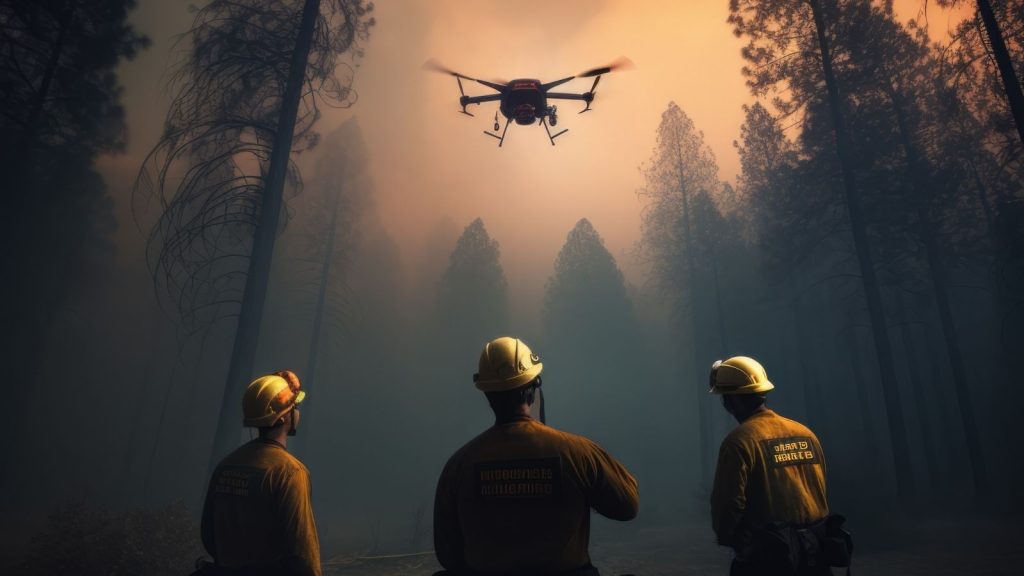
Drone Training Alice Springs is available through Drone Training Hub’s CASA-approved Remote Pilot Licence (RePL) courses, which combine online theory with short, in-person flight training blocks held in regional Northern Territory centres and selected remote communities. You complete the theory from home or camp, then attend a scheduled practical session, or arrange on-site training if your team has five or more people.
Introduction
Across Alice Springs and the wider Central Australian region, more work sites now expect a qualified drone pilot on the team. Earthworks progress, stockpile volumes, tank inspections, property marketing and even mustering support can all be done faster and safer from the air. That is why Drone Training Alice Springs and across the Northern Territory is gaining so much attention.
For anyone wanting a drone licence in Alice Springs, casual flying is no longer enough. Major clients in mining, construction, agriculture and government now ask for a RePL Alice Springs or equivalent CASA credentials before they let a pilot operate on their site. At the same time, people on stations, in remote communities and small towns need training that does not require weeks away in a capital city.
This guide walks through how drone training Northern Territory style actually works, what a RePL is, and how to complete it from Alice Springs or a remote location. It also shows how Drone Training Hub makes the licence realistic for regional operators, with online theory, flexible practical blocks and on-site options for larger groups, so that commercial drone work becomes a genuine income stream, not just a hobby.
“The future of drones isn’t just about the technology; it’s about putting capable, licensed pilots on the ground where the work is.” – Adapted from common industry advice shared by CASA-approved trainers
Key Takeaways
Before diving into detail, it helps to see the big picture of what is possible from Alice Springs and remote NT.
-
You can complete CASA-compliant RePL training while based in Alice Springs or a remote NT community by using Drone Training Hub’s online theory plus regional practical sessions. This means there is no need to move interstate or spend long periods away from family and work. You just travel for a short, planned block to finish the flying and assessment.
-
A Remote Pilot Licence (RePL) is the main requirement for most paid drone jobs, especially when the aircraft is over 2 kg. With a RePL, you can work under a business ReOC, tender for contracts and show clear proof of competency. This licence is recognised across regional Australia, not just in the NT.
-
Drone Training Hub designs drone pilot training for remote areas with NT conditions in mind, including heat, dust, strong wind, long travel distances and mixed airspace around places like Alice Springs Airport. The course content links directly to local use cases in mining, agriculture, infrastructure, real estate and tourism.
-
Training options include online theory, blended RePL training and on-site group courses where there are five or more learners. This helps councils, contractors, pastoral companies and schools to train staff or students without blowing the budget on travel.
-
The typical pathway is simple: enrol with Drone Training Hub, complete self‑paced online theory, attend a regional practical block, pass your flight test and knowledge checks, then let Drone Training Hub lodge the paperwork so CASA can issue your licence.
-
Courses suit beginners and working professionals, with clear pricing, instalment options and one-on-one support. Many students are career changers or tradespeople who want a safe way into the UAV industry.
-
Remote operators can cut time away from work by doing theory at home, on site or in camp, then only travelling for a short, focused drone flying course in a regional location to finish the practical component.
What Is Drone Training In Alice Springs And Why Does RePL Matter?
Commercial unmanned aerial vehicle training in Alice Springs means more than just learning to fly. It refers to CASA-approved RPAS training in rural areas that leads to a Remote Pilot Licence (RePL) and gives you the skills to work safely on real projects. This covers air law, airspace, weather, human factors, risk management and hands‑on flying on multirotor drones.
Recreational or “excluded category” flying covers hobby use and some small commercial jobs with very light aircraft. Once paid work grows, or the drone goes over 2 kg, you move into the licensed commercial operations space under CASR Part 101. At that point, a RePL becomes the standard entry point.
A RePL is a remote pilot certificate that states you are trained and assessed to fly a specific class of drone, most commonly multirotor up to 25 kg. This scope suits almost all work in construction, mining, agriculture, surveying, real estate and media. It is the base for more advanced approvals, such as operating under a company’s ReOC or moving into heavier platforms.
In Central Australia, a RePL matters even more:
-
Many jobs use heavier drones to carry survey cameras, LiDAR, thermal sensors or larger batteries for long legs over properties and pits.
-
There is controlled airspace around Alice Springs Airport and sensitive sites such as town areas, critical roads and utilities.
-
Mines, councils and NT Government departments now expect remote drone operator certification rather than “trust me, I am careful”.
Drone Training Hub’s RePL program is fully CASA drone certification aligned and valid across Australia. Once you hold it, you can work in other regions and states without retraining. From there you can look at an AROC for aviation radio use, and later a ReOC if you decide to run your own commercial drone business.
“Licensing is about safety and standardisation, not red tape. A well-trained pilot is an asset on any project site.” – Common view among Australian RPAS instructors
How Drone Training Works For Remote And Regional NT Operators
People based on stations, in small communities or on remote projects often face the same problem: training is in the big cities, while work and family are far away. Travel, time off and accommodation add up fast. Internet can also be unreliable, which makes fixed‑time webinars hard.
Drone Training Hub addresses this by using an online theory plus in‑person practical model that suits UAV training in outback Australia. The theory modules are self‑paced and cover law, airspace, weather, human performance, planning and safety. They are built so you can:
-
Download learning content and study offline where needed
-
Revisit key topics such as airspace rules or risk assessment
-
Complete quizzes when back on a stable connection
Once your theory is nearly done, you join a short block of drone flying lessons in the Northern Territory, held in regional hubs or selected remote locations. During these days you focus only on flight skills, site checks, emergency drills and assessment. For organisations with at least five learners, Drone Training Hub can bring a trainer on site, subject to safety checks and airspace limits, which is ideal for large properties or project camps.
This blended model means an operator from Alice Springs, Tennant Creek, a station east of town or a remote community can complete drone operator certification online for theory, then finish the flying in one well-planned trip instead of multiple long visits.
Training Options For Drone Pilots In Alice Springs And Remote NT
People come to Drone Training Alice Springs with very different backgrounds. Some fly a small drone on weekends and want to step up. Others are site engineers, surveyors, farmers, media crews or rangers who need a clear path to legal, paid work. A few are full career changers looking for a fresh start in the UAV industry.
No matter the pathway, all serious commercial options point toward a Remote Pilot Licence. Short intro courses might build basic stick skills and safety habits, but they do not replace a RePL. That licence is what clients and insurers look for when hiring a pilot or approving a work method.
Drone Training Hub is the logical first stop for drone training for regional operators around Alice Springs. The core program is CASA-aligned RePL remote pilot certificate training, combining self‑paced online learning with structured, instructor‑led practical days. From the start, the content is framed around real NT jobs so you are not stuck with examples that only make sense in big cities.
Drone Training Hub – Remote-Friendly RePL Training For Alice Springs
Drone Training Hub structures its RePL courses so they work for people who live and work outside major centres. The theory side is delivered through clear online modules written in plain English, backed by diagrams and short videos. Topics link straight to common NT scenarios such as mapping a haul road, checking tank levels or filming a tourism property.
Practical flying is run in major cities, regional centres and selected remote communities, depending on demand. This means an Alice Springs‑based learner can complete most study from home, a depot or camp, then travel only for a short, focused flying block. For companies and agencies with five or more learners, Drone Training Hub can assess an on-site drone operator course online plus field option, which keeps staff on country and cuts travel costs.
Regional students benefit from clear pricing that includes CASA fees and assessment, as well as flexible payment options such as instalments, which helps contractors and career changers. There is direct support from instructors during theory, and guidance after the course on:
-
Work options and typical NT roles
-
Aircraft selection and payload choices
-
ReOC pathways and compliance steps
Through the Fly Forward NT Scholarship Program, high school students (16+) in remote communities can also access subsidised or fully funded RePL training, opening doors into local industries.
“When training speaks your language and reflects your work environment, you learn faster and retain more.” – Common feedback from regional Australian trainees
Other Common Training Pathways (Beginner To Advanced)
Most people follow a similar path. They start by gaining basic flying skills, often on a small recreational drone, and learn simple rules such as staying away from people and aerodromes. Some may join a short, non‑licence course to build confidence and safe habits before spending more money.
The next step is the full commercial drone licence training through a RePL. This brings together theory and practical skills in a structured way and ticks the drone pilot licence requirements under CASA rules. Once you hold a RePL, you can add more specific abilities through post‑course practice or targeted training in mapping, inspections, agriculture or public safety work.
Drone Training Hub’s RePL course is built to prepare operators for common NT applications, including:
-
Infrastructure and asset inspections
-
Construction and mining surveys and site mapping
-
Agricultural monitoring and pastoral work
-
Aerial photography drone training for property and tourism
Beginners do not need aviation experience, because every topic is explained in everyday language with clear examples instead of heavy jargon.
Course Structure, Timeframes And Costs For RePL In Alice Springs
From Alice Springs or a remote NT town, getting a RePL through Drone Training Hub follows a simple structure. There are two main parts: online theory and in‑person flight training with assessment. Both parts are mapped to CASA’s Part 101 standards so the result is a recognised UAV certification for rural Australia.
Most motivated students complete theory over a few weeks of part‑time study, fitting it around rosters, farm work or project deadlines. The practical block then runs over a small number of consecutive days at a regional training site or approved remote location. Drone Training Hub explains clear timeframes at enrolment so you can plan travel, accommodation and work cover.
Costs vary slightly depending on options, but the focus is on transparent pricing that includes theory access, instructor time, practical flying, assessment and CASA application fees. Group bookings for teams often attract discounts, and instalment plans help spread the load for individuals. When comparing courses, it makes sense to look at the full value:
-
Licence outcome and national recognition
-
Quality of support during and after the course
-
How easy it is to complete everything from a remote base
What You Learn – Theory Modules (Online)
The online theory covers everything needed for safe, legal flying under CASA rules, presented in a way that suits drone training for beginners as well as working professionals. Aviation law modules explain Part 101 in plain language, including distances from people and property, operating near Alice Springs Airport, and how approvals work.
Airspace and chart lessons show:
-
The difference between controlled and uncontrolled airspace
-
How restricted or prohibited areas apply in Central Australia
-
How to read VTCs and ERSA pages relevant to the NT
Meteorology content focuses on NT conditions such as high temperatures, dust, wind shear and thermals, and how they affect battery life, flight performance and risk.
Other sections cover flight planning, risk assessment, human factors, crew communication and basic drone systems and maintenance, including how to deal with lost‑link events. Because Drone Training Hub uses real regional examples drawn from construction, agriculture, surveying and asset work, theory feels connected to day‑to‑day jobs. Self‑paced access means you can study on rest days, between jobs or during quieter periods on the property.
Practical Flight Training, Assessment And CASA Certification
Practical training is where you bring the theory to life. Under instructor supervision, you work through pre‑flight checks, briefings and site assessments before lifting off. You practise controlled take‑offs and landings, accurate manoeuvres, hovering, circuits and basic emergency responses such as simulated signal loss or gusty conditions.
During this phase you also complete flight logs and use standard checklists, mirroring the paperwork expected on commercial jobs. Assessment focuses on whether you can operate safely, follow documented procedures and manage the risks on a typical NT work site. Instructors give clear feedback so there are no surprises.
Once you pass the theory and practical components, Drone Training Hub prepares and submits the documentation to CASA. Processing times vary, but having a training organisation handle forms and records avoids unnecessary delays. Because drone licence regional Australia demand is high, this support helps you move from training into real paid work as smoothly as possible.
Tip: Keep your own records of flight hours and job types from the start. A simple logbook makes it easier to show experience to future employers or ReOC holders.
Step-By-Step: How To Get Your Drone Licence From Alice Springs
A RePL can look complex when reading CASA documents on your own, especially from a remote location. In practice, the process is quite straightforward when broken into clear steps. Drone Training Hub guides you through each stage so you always know what comes next and how it fits around remote or regional work.
Step 1 – Clarify Your Goals And Check RePL Requirements
Start by working out what you actually want to do with a drone. Common use cases in Central Australia include:
-
Site surveys and asset inspections
-
Construction progress photography
-
Agricultural and pastoral monitoring
-
Environmental and land management work
-
Support for emergency services or safety teams
Knowing your main goal helps pick the right aircraft and course options.
CASA’s basic drone pilot licence requirements include minimum age, identity checks, English language ability and general fitness to operate safely. If you can drive and work on site safely, you will usually meet the bar for a RePL. Drone Training Hub can also advise on licence scope, such as multirotor up to 25 kg, based on the aircraft and payloads you plan to use.
Step 2 – Enrol With Drone Training Hub And Plan Your Study
Once you know a RePL is the right path, the next step is to enrol. This is done online, where you share your location, background and industry so the team understands your situation. That conversation helps match the timing of theory and practical blocks with your work pattern.
Planning study time matters, especially with FIFO rosters, farm seasons or long project shifts. Many regional learners:
-
Set aside a couple of evenings a week for theory
-
Use rest days on site to work through modules
-
Block out time during quieter seasonal periods
Drone Training Hub explains payment options, including instalments, so you can budget both course fees and any travel for the practical block.
Step 3 – Complete Online Theory, Then Book Practical Training
With enrolment done, you move through the online modules at your own pace. Some people like short, regular study blocks; others prefer a few intensive days around roster swings or wet weather. Whenever you hit a topic that feels tricky, instructor support is available to explain it in simple terms.
As you near the end of theory, you pick a date and place for the practical component. This might be a regional centre that is easy to reach from Alice Springs, or an on-site block if your organisation has enough staff to train. Because theory and flying are separated, you only travel once, which is a big saving for remote operators.
Step 4 – Sit Your Assessments And Move Into Real-World Flying
During the practical block you complete your remaining knowledge checks and sit the flight test with an assessor. The focus is on safe, consistent flying and sound decisions rather than fancy tricks. Once you are marked competent, Drone Training Hub finalises the paperwork and sends it to CASA so your remote drone operator certification can be issued.
After that, you can:
-
Start logging hours under an existing ReOC
-
Bid for work as a contractor or add drone services to your trade
-
Begin planning your own ReOC if you want to run a stand‑alone drone service
Additional training in mapping, inspections, agriculture or media work can be added as your job demands grow.
Local Industry Opportunities For Licensed Drone Pilots In Central Australia
Holding a RePL in Central Australia opens doors across several key industries. In mining and resources, drones are used for pit and stockpile surveys, haul road checks, tailings dam monitoring and general site inspections — and government investment through the Disaster Ready Fund is further expanding the use of aerial technology in critical infrastructure and emergency management across Australia. These tasks often sit far from towns, so a pilot who understands remote conditions and drone safety training in remote settings is highly valued.
Construction and civil contractors around Alice Springs use drones for earthworks volumes, progress tracking, bridge and road inspections, and documentation for clients and regulators. A licensed pilot can collect accurate data without putting staff near drop‑offs, traffic or heavy plant. Training in flight planning and risk management means those operations fit smoothly within WHS systems.
On pastoral properties and farms, drones assist with:
-
Water point and tank checks
-
Fencing and pasture monitoring
-
Crop health mapping and spraying support
-
Mustering assistance and stock observation
For infrastructure and utilities, drones inspect powerlines, pipelines, roads, rail and communications towers across wide distances. Tourism operators, real estate agents and media crews rely on aerial imagery and video to showcase properties and destinations.
Drone Training Hub’s RePL course is built with these sectors in mind, so drone pilot training for remote areas feels immediately useful. Local pilots who combine this licence with knowledge of Central Australian conditions, culture and access tracks often stand out to NT employers and clients. The Fly Forward NT Scholarship Program adds to this by helping young people in remote communities gain skills that match real regional jobs.
“Regional drone pilots who understand both the country and the regulations are in a strong position as demand grows.” – Paraphrased industry sentiment from Australian RPAS operators
Conclusion
For anyone in or around Alice Springs, Drone Training Alice Springs is not a distant idea; it is a practical option. With a CASA‑recognised Remote Pilot Licence, you can carry out paid work across construction, mining, agriculture, infrastructure, tourism and more, all while meeting the safety expectations of major clients.
The path is clear. Complete online theory from home, camp or depot, attend a short practical block in a regional or remote location, pass your assessments and let Drone Training Hub handle the paperwork with CASA. From there, you can build hours, join a ReOC operation or look at setting up your own service.
If commercial drone work fits your goals, the next step is simple. Decide what kind of jobs you want to do, then contact Drone Training Hub to discuss upcoming RePL intakes and regional practical dates that suit Alice Springs and remote NT operators. A safe, compliant and income‑ready drone career can start much closer to home than many people think.
Ready To Get Your Drone Licence From Alice Springs?
If you’ve been thinking about getting into commercial drone work, the biggest barrier is usually distance. The reality is, with the right training approach, you can complete your Drone Training Alice Springs pathway without leaving the Northern Territory for long periods.
Whether you’re:
-
Based in Alice Springs or a nearby community
-
Working FIFO, on a station or across remote projects
-
Or looking to add drone capability to your current role
There’s a clear, practical path to getting licensed and job-ready.
At Drone Training Hub, we make it simple:
-
Complete theory online from home, camp or depot
-
Attend short, focused practical training blocks in regional NT
-
Access on-site training options for teams of five or more
-
Get full support through CASA licensing and next steps
👉 Speak with our team today to plan your RePL training around your location and schedule.
Or, if you’re ready to get started:
👉 View upcoming NT training dates and enrol in your RePL course
FAQs
A few common questions come up again and again for people based in Central Australia who are looking at drone licences for the first time.
Question: Do I Have To Travel Outside Alice Springs To Get A Drone Licence?
With Drone Training Hub, you can complete all theory online from Alice Springs, a remote community or a station. Practical flying sessions are scheduled in regional centres and, when demand allows, in selected remote locations. That means you usually only travel a short distance rather than flying to a capital city. For groups of five or more, on-site training can often be arranged after a safety and airspace check, which cuts travel even further.
Question: How Long Does It Take To Get A RePL From Alice Springs?
The time needed depends mostly on how quickly you move through the online theory. Many people study part‑time over a few weeks, while others choose a more intensive approach over several days. Practical training and assessment are then wrapped into a short block, usually only a few days long. After that, CASA processing times apply, and Drone Training Hub manages the paperwork so there are no avoidable delays.
Question: I’m A Beginner – Can I Still Enrol In RePL Training?
Yes, beginners are welcome, and many students have never worked in aviation before. The course is designed so that theory uses everyday language, with diagrams and real examples instead of heavy technical talk. Practical flying starts with the basics, such as stable hovering and simple manoeuvres, before moving to more advanced tasks. Career changers, tradespeople and regional workers successfully complete the course every year.
Question: Is Drone Training Worth It For Remote And Regional Work?
For remote and regional operators, proper drone training in Northern Territory conditions pays off quickly. A RePL opens up new income streams, makes inspections safer and speeds up data capture over long distances. Industries such as mining, construction, agriculture, infrastructure and tourism all look for RePL-certified pilots who understand local conditions. CASA-compliant training from Drone Training Hub reduces risk, supports safer worksites and makes it much easier to win trust with serious clients.