

Jobs for RePL-Certified Drone Pilots in Australia
Jobs for RePL-certified drone pilots in Australia are growing rapidly across construction, mining, agriculture, infrastructure inspection, emergency services, and media. A Remote Pilot Licence (RePL) allows pilots to legally fly drones over 2 kg for paid work, opening career pathways that range from on-site field operations to remote drone control centre roles. With demand rising nationwide, trained and compliant pilots are now essential across multiple industries.
Introduction
Picture someone who started flying a small drone over the local footy oval for fun and now earns a steady income mapping mine sites or filming TV ads. That shift does not happen by luck. It happens because they went after jobs for RePL-certified drone pilots and turned a hobby into a professional licence and a clear career plan.
By 2026, CASA figures show licensed uncrewed pilots in Australia have clearly overtaken traditional crewed pilots. That is a big signal that aviation work is changing. More work is moving from cockpits to ground stations, and the Remote Pilot Licence (RePL) now sits at the centre of many commercial drone pilot careers.
A RePL is the baseline qualification for legal, paid operations with drones over 2 kg. With it, drone pilot jobs in Australia open up across construction, agriculture, media, inspections, public safety, and more. Without it, paid work is limited, insurance is hard, and most serious employers will not even look at a résumé.
This guide walks through that new work reality step by step. It explains what a RePL actually covers, where the real demand is, the best jobs for RePL-certified drone pilots, what those roles pay, and how to grow into advanced work like BVLOS or even running a drone business. Along the way, it shows how training with Drone Training Hub helps people move from “interested” to “commercially ready” with practical, plain-English training that fits real Australian operations.
By the end, there will be a clear map from beginner to paid pilot. That includes which industries are hiring now, how different job titles work day to day, what salaries look like, and which qualifications help move up the ladder faster.
“Drones are no longer a side project – they’re just another tool in the kit for surveyors, builders, farmers, and emergency crews.”
Key Takeaways
Before diving into the detail, it helps to see the big picture of where jobs for RePL-certified drone pilots are heading in Australia. These points summarise the core ideas covered in the rest of the guide.
-
RePL certification is mandatory for commercial work with drones over two kilograms and is the real starting line for serious careers. With a RePL, a side hobby becomes legal, insurable work that employers can trust. This single step turns casual flying into recognised professional skill.
-
Licensed drone pilots now outnumber traditional pilots in Australia, which shows how quickly this type of work is growing. More companies rely on drones for everyday tasks, not just special projects. That steady demand keeps creating new openings across regional and metro areas.
-
Pay rates range widely, from around sixty thousand dollars for entry technical roles through to one hundred and forty-five thousand dollars or more for senior engineering positions. Specialised pilots, surveyors, and BVLOS operators regularly sit in the middle to upper parts of this scale. The more skills added on top of a RePL, the stronger the pay.
-
High-demand fields include surveying and construction, agriculture and environmental work, infrastructure inspection, mining and energy, media and content creation, and emergency services. Each field uses drones differently but they all need safe, compliant pilots. This spread of work means people can match their background or interests with the right niche.
-
Advanced endorsements such as BVLOS and radio qualifications open the door to long-range flights and complex airspace. These extras are strongly linked with higher pay and more secure roles. Over time, they can move a pilot from field work into Remote Operations Centre positions.
-
Mining and construction often offer FIFO rosters with very strong daily and hourly rates. These remote roles suit people who want blocks of time off at home and do not mind travel. For many RePL holders, this is where some of the highest-paid drone work sits.
-
The sector now needs much more than only pilots. Engineers, data analysts, instructors, production technicians, and safety staff who also understand drones are in high demand. Adding a RePL to an existing trade, technical, or professional background can give a real edge.
-
Starting a drone services company is a clear pathway for experienced pilots. To do this legally in Australia, a Remotely Piloted Aircraft Operator’s Certificate (ReOC) is required. That certificate allows a business to run its own operations and hire other licensed pilots under its authority.
Understanding The Remote Pilot Licence (RePL): Your Foundation For Commercial Drone Work
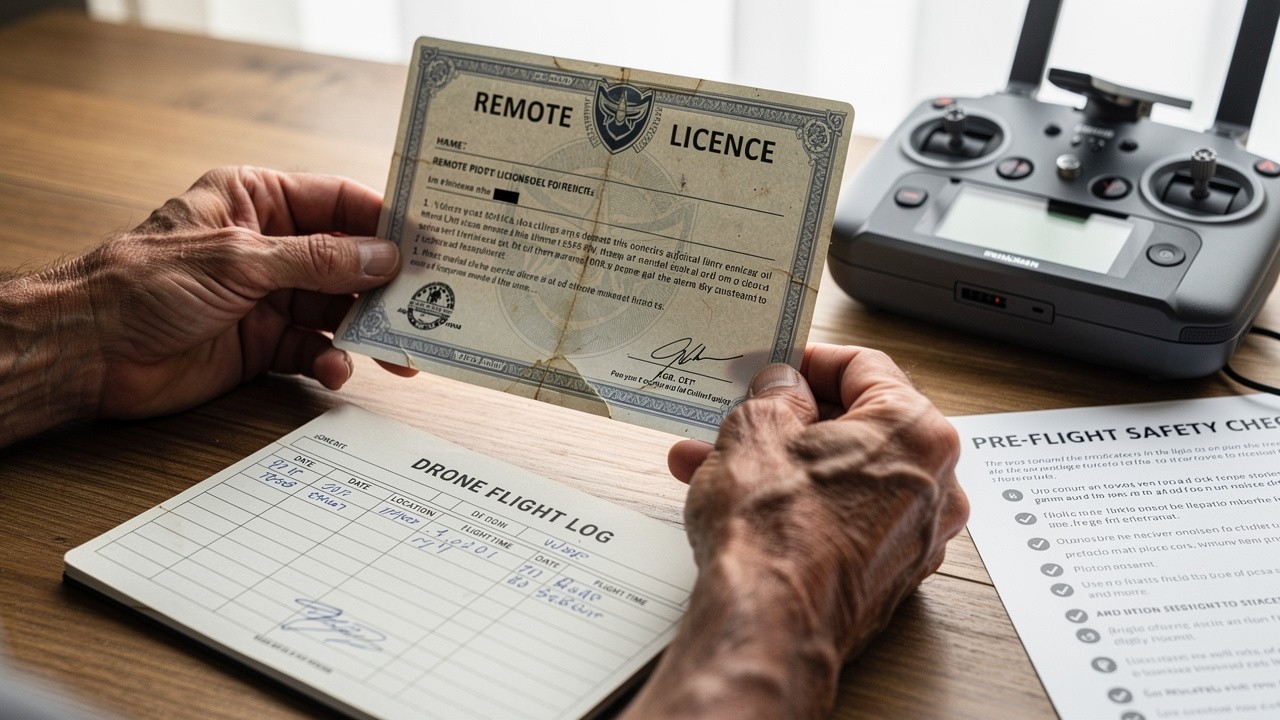
A Remote Pilot Licence (RePL) is the formal ticket into commercial drone pilot jobs in Australia. Issued by CASA, it confirms that a pilot understands the rules, can fly safely, and is ready for paid work with remotely piloted aircraft over two kilograms. For anyone who wants more than casual flying, this licence is the starting point.
From a legal point of view, a drone pilot licence is needed whenever a drone heavier than two kilograms is flown for work or business. That includes selling aerial footage, doing roof inspections, supporting a farm, or collecting survey data. Without this licence, many jobs for RePL-certified drone pilots are simply off limits, because companies cannot place unlicensed operators on their sites and still meet safety and insurance requirements.
The training behind the licence is more than just stick skills. Theory modules usually cover:
-
Aviation law and CASA regulations
-
Australian airspace classes and airspace restrictions
-
Weather, wind, and how conditions affect drones
-
Human factors and decision-making
-
Risk management and safety planning
-
Emergency procedures and incident response
Practical training focuses on:
-
Controlled take-offs and landings
-
Accurate manoeuvres and navigation
-
Pre-flight and post-flight checks
-
Handling issues such as lost link or sudden gusts
-
Recording logs and reporting issues
Together, these parts give employers confidence that a pilot can follow a method, not just “have a go”.
Many new pilots ask how a RePL differs from operator accreditation. Operator accreditation is a simple online quiz used for very small commercial tasks with drones up to two kilograms, or when flying a heavier drone only over land that is owned or leased by the operator. A RePL covers broader work and is accepted in far more situations. It also lets the pilot work under a Remotely Piloted Aircraft Operator’s Certificate (ReOC), which is how most established drone businesses and large organisations run their fleets.
The RePL also acts as the base for advanced approvals. Endorsements for BVLOS, radio work in controlled airspace, or larger weight classes all sit on top of this licence. For someone planning a long-term commercial drone pilot career, getting a solid RePL early, with good training, saves a lot of time.
Drone Training Hub builds its RePL courses around this reality. Training is written by working drone pilots who know how sites run, and the theory is delivered in clear, plain English online. In-person flight days then apply that knowledge under instructor guidance. The result is a licence plus practical confidence, which is exactly what hiring managers look for when scanning CVs for drone operator positions.
“The licence is the certificate on the wall; the goal of good training is the calm pilot on the sticks when something unexpected happens.”
Australia’s Booming Drone Industry: Market Demand And Career Potential
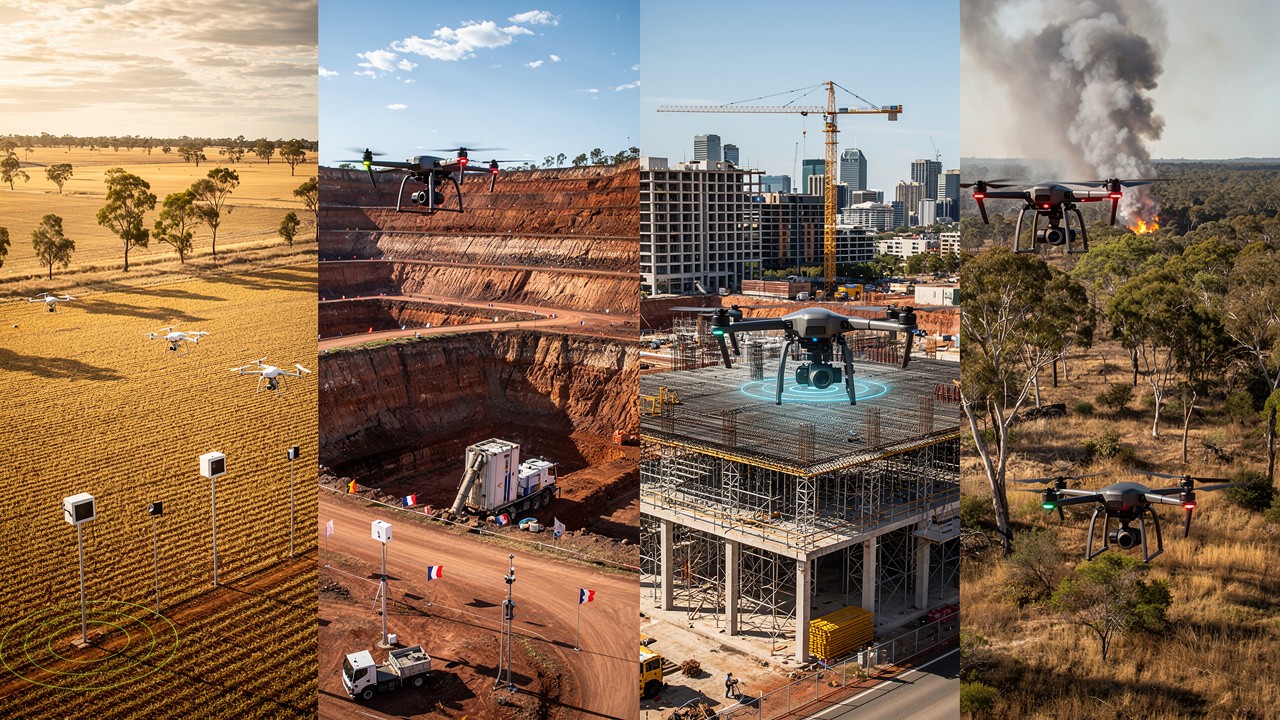
The Australian drone sector has shifted from side interest to mainstream work. CASA’s 2026 figures, showing more licensed uncrewed pilots than traditional crewed pilots, highlight how fast this change has taken place. Every year, more roles that once relied on helicopters, cherry pickers, or ground teams now use drones as standard tools.
Several factors drive this change:
-
Safety: Drones keep people off roofs, towers, and live powerlines.
-
Time and cost savings: One flight can cover large areas that used to take days of ground surveying.
-
Better data: High-resolution imagery, 3D models, and thermal maps give managers more precise information.
For many organisations, commercial UAV careers now support core operations rather than sitting off to the side.
This growth covers a wide spread of roles:
-
Front-line pilots flying on site
-
Geospatial specialists turning thousands of photos into accurate terrain models
-
Engineers designing new platforms and sensors
-
Technicians keeping fleets airworthy
-
Instructors teaching the next wave of pilots
-
Safety and compliance staff writing and enforcing procedures
Corporate and government buyers have also raised the bar. They no longer want “someone with a drone”. They want licensed drone pilot work carried out by people who understand risk, regulations, and data quality. That expectation is clear in job ads that state RePL as a requirement and mention knowledge of rail, construction, agriculture, or energy as strong advantages.
Looking ahead, automation and AI will keep changing how jobs for RePL-certified drone pilots look. More flights will be flown from Remote Operations Centres. AI will help flag faults in infrastructure or stress in crops. Advanced Air Mobility promises new airborne roles that share much of the same remote-pilot skill set. Entering the field now gives early movers years of experience before these new roles become common.
As one operations manager put it: “We still need skilled pilots – we just need more of them sitting at consoles, not hanging from ropes.”
Top 10 High-Demand Industries Hiring RePL-Certified Drone Pilots
RePL holders are not limited to one narrow field. Drone pilot jobs in Australia now appear in job boards under engineering, construction, agriculture, media, public safety, and technology. Each sector values different strengths, but all rely on RePL-certified pilots who put safety and clear data first.
1. Drone Training Hub: Australia’s Premier RePL Certification Provider
Before stepping into any of the careers in this list, pilots need solid training. Drone Training Hub focuses entirely on helping people move from interest to paid work with a clear, practical RePL program. It is built by real drone pilots who fly for a living, so every module connects directly to what happens on site.
The course covers:
-
Airspace management and flight rules
-
Drone safety and risk management
-
Mission planning and checklists
-
Aviation weather
-
Australian drone regulations and compliance
Theory is delivered online in plain English, which suits busy workers and career changers. Mandatory in-person flight training then turns that theory into safe, repeatable habits in the field.
What sets Drone Training Hub apart is its focus on real operations in construction, agriculture, media, and inspection. Instructors explain how those industries actually use drones, not just how the rules read on paper. Ongoing instructor support also helps new pilots bridge the gap between holding a licence and feeling ready to take on licensed drone pilot work for paying clients or employers.
2. Surveying, Mapping, And Construction
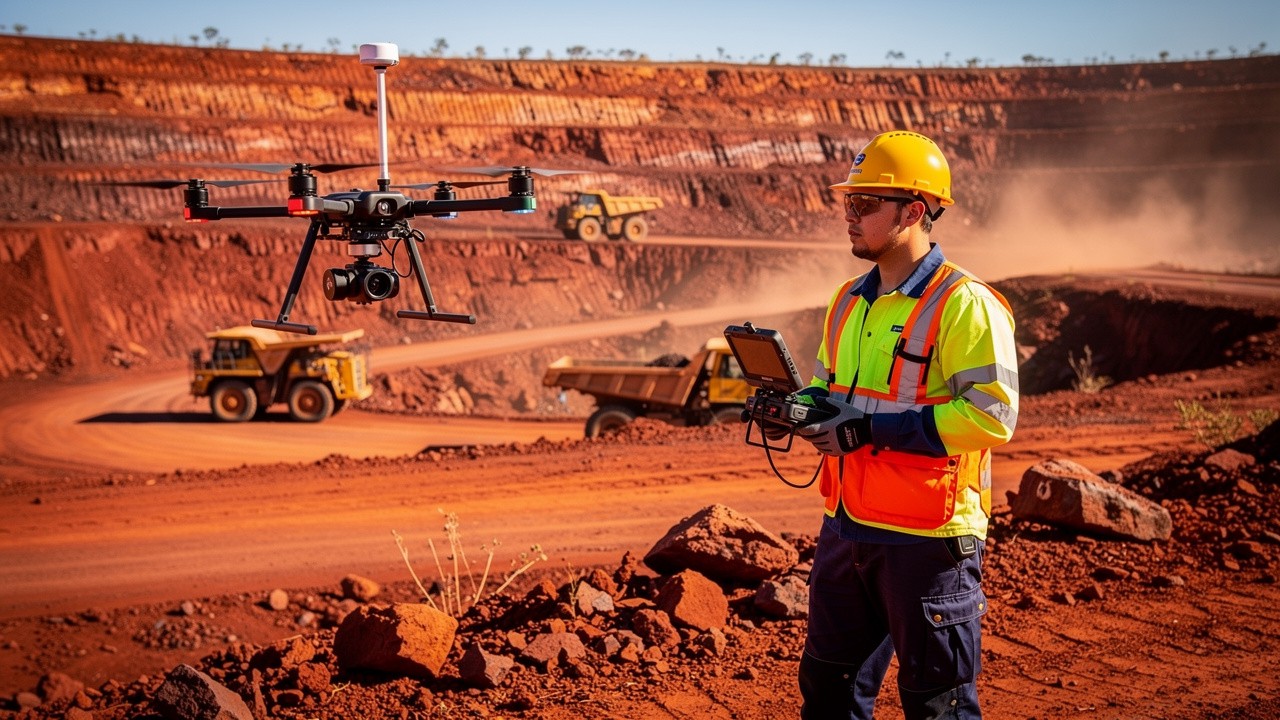
Surveying and construction generate some of the strongest demand for RePL-certified pilots. In these environments, drones capture topographic data, produce 3D models, and track site progress far faster than traditional ground methods. Jobs for RePL-certified drone pilots here often carry titles such as Engineering Surveyor or Mine Surveyor.
Pilots working in this field usually fly drones with RTK or PPK GPS, high-quality cameras, and sometimes LiDAR sensors. They operate on civil construction sites, urban development projects, and large mining operations. Many roles are FIFO, particularly in regions like the Pilbara, with daily rates that reflect the remote nature of the work.
The job market shows regular listings where a RePL is listed as required or highly desirable. Pay for Engineering Surveyors on FIFO rosters commonly sits between sixty-five and ninety dollars per hour. For people comfortable with high-vis work, dust, and long days outside, surveying-based drone careers can be both interesting and well paid.
3. Agriculture And Environmental Management
Farms and environmental agencies now use drones as core tools for monitoring land. Agricultural drone pilot roles focus on mapping crop health, spotting pest or disease issues early, and producing variable-rate maps for precise spraying or spreading. This supports higher yields while cutting down on chemical use and wasted inputs.
Drones also help with livestock work. Pilots can check water points, fence lines, and herd locations across large properties without hours on a motorbike or in a ute. In environmental management, RePL holders support threatened species surveys, weed mapping, and habitat monitoring. Work in areas like Kakadu may involve partnering with First Nations rangers and scientists to plan flights that respect culture and protect sensitive country.
Technology in this space often includes multispectral cameras and thermal sensors that can see crop stress or animal heat signatures. Many roles sit within existing jobs for agronomists, farm managers, or environmental officers who add RePL skills to their current work. For people already in agriculture or land care, a RePL turns an interest in drones into direct value for their employer.
4. Infrastructure Inspection And Asset Maintenance
Drone inspection jobs have changed how companies look after critical assets. Instead of sending workers onto high-voltage lines, tall bridges, or wind turbines, many organisations now send drones first. A RePL-certified pilot can capture detailed imagery and thermal data from a safe distance while the asset stays online.
Typical targets include:
-
Powerlines and substations
-
Mobile phone towers and masts
-
Roofs, facades, and gutters
-
Storage tanks and chimneys
-
Bridges, wharves, and other major structures
High-resolution cameras reveal corrosion, cracks, loose fittings, or water leaks. Thermal cameras show hot spots that point to electrical faults or insulation issues. Some teams also use LiDAR to build accurate models for long-term monitoring.
Employers range from energy companies and telcos to building maintenance firms such as Higgins Coatings, which has used casual drone pilots for exterior building washdowns. Industry leaders point out that drones are far safer than helicopters for line inspections and can gather higher-quality data. For RePL holders with a careful eye and steady hands, infrastructure inspection offers steady work and clear career paths into senior inspection specialist roles.
5. Mining, Resources, And Energy
Mining and energy were among the first sectors to adopt drones at scale, and they continue to hire strongly. In open-cut operations, drones assist with exploration mapping, blast design and monitoring, pit wall tracking, and stockpile volume calculations. Underground mine surveyors use specialised aircraft to map drives and voids that are risky for people to enter.
Environmental monitoring is another key task. Drones support tailings dam inspections, land rehabilitation checks, and compliance surveys. In the energy sector, pilots inspect solar farms, wind turbines, and large stretches of powerlines feeding cities and remote towns. Many of these tasks benefit from BVLOS approvals and heavier drones with longer range.
Employment in this field is often FIFO, with rosters such as two weeks on and two weeks off. Geographic hotspots include the Pilbara, Queensland coal fields, and remote resource regions across the country. Pay reflects the harsh conditions and safety requirements, making mining-linked drone careers some of the highest-paid options for RePL holders.
6. Media, Film, And Entertainment
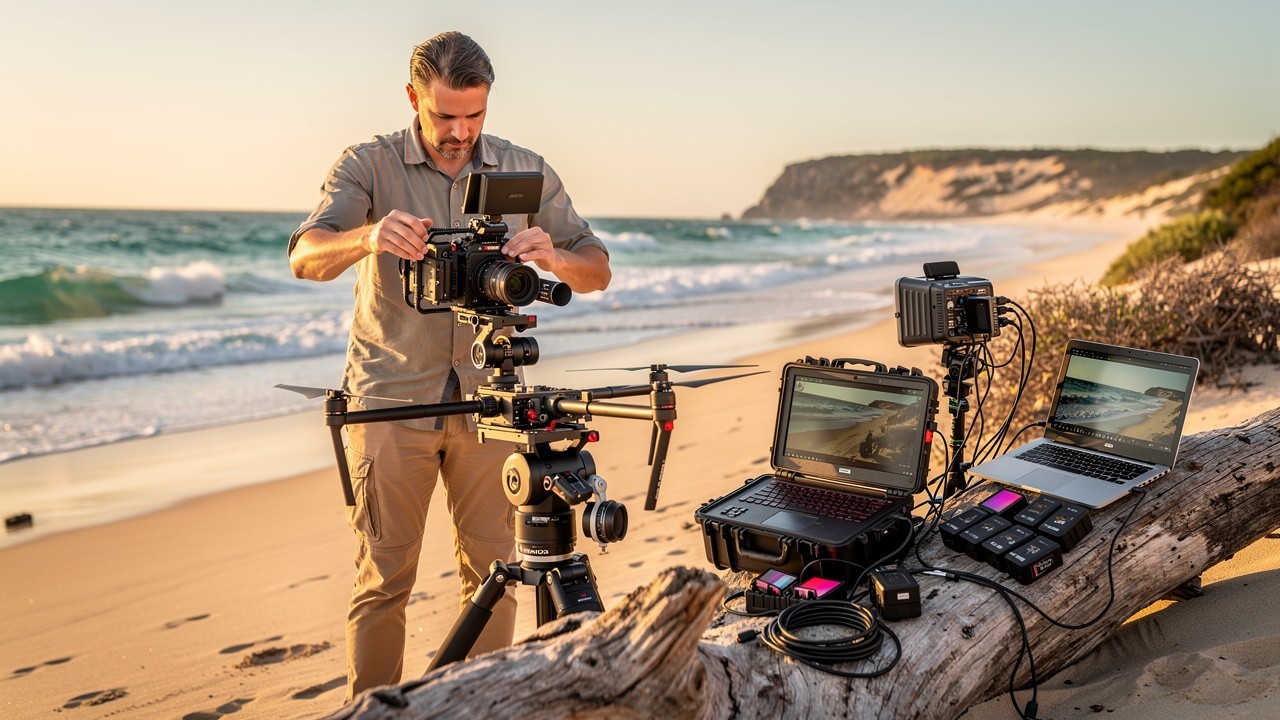
Media and entertainment are natural homes for creative drone operators. Aerial photography jobs for TV, film, advertising, and online content have grown rapidly as producers swap helicopters for nimble multi-rotor drones. Jobs for RePL-certified drone pilots in this space often mix technical flying with a strong visual sense.
Work can range from news and current affairs coverage to glossy real estate videos and full-scale film productions. Pilots need to understand composition, lighting, frame rates, and movement, not just how to hold a hover. Many build careers similar to well-known teams such as ProFly Cinema, moving from racing or hobby flying into premium cinematography work.
Most drone operators in this field work as freelancers or small-business owners, building a showreel that proves their style and reliability. Income can vary from modest to very high depending on clients and projects. For those who enjoy creative problem solving and flexible working hours, media-focused drone pilot jobs in Australia can be very rewarding.
7. Emergency Services And Law Enforcement
Emergency services now treat drones as standard kit alongside trucks and radios. Fire agencies use RePL-certified pilots to send drones over bushfires, even through smoke or at night, to track fire edges and hot spots. Live feeds back to control centres help commanders place crews and aircraft more safely.
During floods, cyclones, or earthquakes, drones reach areas that are cut off to check damage and search for people who need help. Small aircraft can enter unstable buildings or scan steep gullies, reducing the risk to first responders. Police use drones for traffic crash mapping, crime-scene recording, crowd monitoring, and support during high-risk operations.
These roles are usually full-time positions inside government agencies, with pilots also trained in broader emergency or policing duties. Technology often includes thermal cameras, zoom lenses, and encrypted live streaming. For people driven by public service, this type of work offers a direct way to protect communities while building advanced flying skills.
“When the road is gone or the fire front is shifting fast, a drone might be the only safe set of eyes we can send in,” one incident controller noted.
8. Logistics And Delivery Services
Drone delivery is still young in Australia, but it is growing fast. Medical flights carrying blood, test samples, or vaccines to remote clinics are already operating. In some suburbs, drones now deliver coffee, fast food, and small parcels, skipping traffic and cutting down on delivery times.
Most of these operations rely on BVLOS approvals and carefully designed routes that sit well inside CASA rules. Pilots for these roles often work from control rooms rather than in the field, monitoring fleets of drones on screens and stepping in when something unusual happens. They need strong understanding of airspace, automation, and normal and emergency procedures.
As regulations develop and public comfort builds, more companies will trial similar services. This will create a specialised slice of UAV pilot employment focused on logistics networks, landing sites, and long-range aircraft. For RePL holders willing to add advanced endorsements, this area offers a front-row seat in how goods move across Australia.
9. Engineering, Research, And Development
Behind every capable drone sits a team of engineers and test pilots. Companies such as Boresight recruit aerospace and mechatronic engineers, along with UAS test pilots, to design, build, and trial new platforms and payloads. RePL-certified pilots with technical degrees are especially valued here.
Roles cover airframe design, control systems, sensor integration, and flight testing. UAS test pilots push new aircraft through structured test programs, collect performance data, and give feedback to the engineering team. Work may include flight trials at test ranges, lab work, and simulation.
Junior R&D positions commonly pay between eighty and ninety-five thousand dollars per year, with senior mechatronic engineers reaching one hundred and twenty-five to one hundred and forty-five thousand dollars. For people who enjoy both theory and hands-on flying, these commercial UAV careers build Australia’s uncrewed aviation capability and offer strong progression.
10. Technical Production And Maintenance
Every drone fleet needs people who keep aircraft ready to fly. Technical production and maintenance roles include UAS production technicians, field support technicians, and hardware specialists. These professionals assemble, configure, repair, and test drones and related ground equipment.
Daily work often involves:
-
Pre-flight checks and basic servicing
-
Firmware and software updates
-
Fault diagnosis using logs and test flights
-
Setting up ground control stations and antennas
-
Swapping payloads and batteries between missions
A RePL is a clear advantage because it allows technicians to test-fly aircraft after repairs.
Typical salaries for production technicians sit around sixty to seventy-five thousand dollars per year, with room to move up into technical manager or operations coordinator roles. These positions suit people who enjoy hands-on work with electronics and mechanics and who want stable, long-term roles supporting drone operator positions across many industries.
Specific Job Roles And Responsibilities: What You’ll Actually Do
Job ads for drone work use many different titles, and each can hide a slightly different mix of tasks. Understanding what sits behind those names helps when choosing which jobs for RePL-certified drone pilots to chase and which skills to build.
Drone Pilot / UAV Operator (Generalist)
This is the core flying role and the starting point for many people. A generalist drone pilot or UAV operator focuses on:
-
Planning missions
-
Carrying out pre-flight and post-flight checks
-
Flying to the agreed plan
-
Keeping accurate records and logs
-
Communicating with clients and site supervisors
They may work across many project types such as simple inspections, marketing videos, or basic mapping.
Employers include small drone services companies, construction firms, councils, and media agencies. Employment terms range from casual work on single projects through to full-time staff roles. The most important strengths at this level are safe flying habits, solid understanding of CASA rules, and clear communication.
Surveyor (Engineering, Mine)
Survey-focused roles mix geospatial knowledge with RePL skills. An Engineering Surveyor uses drones with RTK or PPK GPS and often LiDAR to collect precise data on earthworks, roads, and structures. A Mine Surveyor does similar work in pits and underground, mapping faces, calculating volumes, and checking wall movement.
These jobs usually require a Certificate IV or Diploma in Surveying, along with strong skills in photogrammetry and specialist software. Pilots process their own data to produce contours, surface models, and as-built plans. Many positions are FIFO with rates between sixty-five and ninety dollars per hour, making them some of the better-paid drone surveying careers.
Inspection Specialist
Inspection specialists focus on the health of assets rather than maps or movies. They plan detailed flights around structures such as powerlines, towers, bridges, and industrial plants. During and after the flight they look closely at imagery and video to spot corrosion, cracks, missing bolts, or hot spots.
The job involves careful planning to capture every part of a structure from the right angle and distance. After flying, specialists often prepare reports with marked-up images and clear notes for engineers or maintenance staff. Employers include energy companies, engineering consultancies, and large facility managers. Strong attention to detail and patience are key traits for success.
Aerial Photographer / Cinematographer
Aerial photographers and cinematographers bring creativity to the controls. They work on projects for TV, film, online content, real estate, and corporate marketing. While they still follow safety rules and checklists, much of their thinking goes into framing, timing, and movement.
Pilots in this field understand:
-
Camera settings and exposure
-
Neutral density filters and picture profiles
-
Shot planning and movement paths
-
Editing workflows and colour grading
Many run their own small businesses or work as freelancers, building a showreel that shows their style. Jobs can range from short real estate shoots to long days on film sets. Income varies by project and client, but high-end work can provide very strong annual earnings.
BVLOS (Beyond Visual Line Of Sight) Pilot
BVLOS pilots work on the leading edge of drone operations. Instead of standing in a paddock watching their aircraft, they often sit in a Remote Operations Centre controlling drones that fly far beyond the direct view of the pilot. Typical tasks include long-range surveys, powerline and pipeline inspections, and delivery flights.
To take on these roles, pilots need a BVLOS endorsement, which includes extra theory and practical tests, and they must understand the extra safety measures that support long flights. They often manage complex ground systems, backup links, and detailed procedures. Salaries are usually higher than standard VLOS roles, often around ninety thousand dollars or more, reflecting the added responsibility.
UAS Test Pilot And R&D Engineer
UAS test pilots and R&D engineers help create and refine new aircraft. Test pilots run structured flight programs to measure performance, handling, endurance, and system behaviour under different conditions. They record detailed notes, debrief with engineers, and may help tune control software.
R&D engineers design airframes, electronics, and integration for sensors and payloads. Both kinds of roles benefit from hands-on RePL experience because it helps designers see how aircraft behave in the real world. Typical pay ranges from around seventy-five to ninety thousand dollars for junior roles to well over one hundred thousand dollars for senior engineers. People who like experimenting and improving designs often thrive here.
Drone Instructor / Training Provider
Once pilots have built several years of field experience, some move into teaching. Drone instructors deliver RePL theory and practical training for schools, TAFEs, universities, and private academies. Their days mix classroom teaching with time on the flight line, coaching students through checklists and manoeuvres.
These roles demand:
-
Clear communication skills
-
Deep knowledge of CASA rules
-
A strong safety mindset
-
Patience and coaching ability
Instructors often enjoy the satisfaction of seeing learners go from nervous to confident and then move on into commercial drone pilot careers. With more than fifty CASA-approved training organisations across Australia, there is steady demand for skilled trainers.
Salary Expectations And Earning Potential: What You Can Really Earn
Drone pilot salary in Australia varies widely. Industry, location, type of work, and extra skills all play a part. A new RePL holder doing basic aerial photography jobs part-time will earn less than an experienced BVLOS pilot on a FIFO roster, and less than a senior engineer designing aircraft.
The table below summarises common pay bands mentioned throughout this guide:
|
Role Type |
Typical Range (AUD) |
Notes |
|---|---|---|
|
Entry technical / production roles |
$60,000 – $75,000 |
UAS production techs, junior support staff |
|
Generalist drone pilot / ops assistant |
$75,000 – $90,000 |
Full-time roles, often multi-skill site positions |
|
UAS test pilot / specialist pilot |
$75,000 – $95,000+ |
Includes BVLOS and test flying roles |
|
Emergency services pilot |
~$70,000 – $100,000 |
Government scales, strong conditions and training |
|
R&D / junior engineering roles |
$80,000 – $95,000 |
Aerospace / mechatronic engineers in drone teams |
|
Senior engineering / R&D |
$125,000 – $145,000+ |
Lead engineers on platforms and payloads |
|
Surveyor (FIFO, mining/construction) |
$65 – $90 per hour |
High annual totals depending on roster and overtime |
Job ads and industry reports now give a fairly clear picture of these main pay bands. Understanding them helps set sensible goals and plan which endorsements or extra skills are worth adding.
Entry-Level And Generalist Positions
Entry-level drone pilot jobs often sit in casual or junior full-time roles. Casual building inspection or basic photography work can pay competitive hourly rates compared with other entry jobs, especially when travel and allowances are included. These roles are a good way to build hours and learn how commercial projects run.
Full-time generalist positions such as operations assistant or WHS coordinator with a RePL can pay around seventy-five to ninety thousand dollars per year. Technical support roles like UAS production technician generally sit between sixty and seventy-five thousand dollars. Pay can be a little lower in some regional areas but may be balanced by lower living costs.
Specialised Piloting Roles
Specialised pilots sit in the middle to upper pay bands. UAS test pilots commonly earn between seventy-five and ninety thousand dollars per year. BVLOS drone pilots working on long-range surveys or delivery flights are often advertised at around ninety thousand dollars, sometimes higher when shift work or remote duties are involved.
Inspection specialists and experienced aerial cinematographers can also reach or pass the ninety-thousand mark, especially if they manage teams or run their own businesses. Emergency services pilots usually sit on government pay scales between about seventy and one hundred thousand dollars. These jobs often include solid conditions, leave, and training support, which add real value beyond base pay.
Engineering And Technical Roles
Engineering and advanced technical roles linked to drones often pay the highest salaries. Junior aerospace or mechatronic engineers working with uncrewed aircraft may start around eighty to ninety-five thousand dollars per year. Senior R&D mechatronic engineers can reach one hundred and twenty-five to one hundred and forty-five thousand dollars.
Surveying roles with heavy drone use, particularly FIFO positions in mining and construction, can reach very high totals. Hourly rates of sixty-five to ninety dollars are common, which can push annual earnings above one hundred and fifty thousand dollars depending on roster and overtime. Mine surveyor roles can sit in similar bands and sometimes include additional remote-location loadings.
Factors That Increase Your Earning Potential
Several clear factors lift earning potential for jobs for RePL-certified drone pilots:
-
Advanced endorsements: BVLOS, AROC, and heavier weight-class approvals allow work on complex, high-value projects.
-
Industry choice: Mining, energy, and major infrastructure tend to pay more than simple marketing photography.
-
Location and roster: FIFO and remote roles usually attract higher rates than city-based casual work.
-
Complementary skills: Surveying qualifications, engineering degrees, or strong GIS and data-processing skills raise pay bands.
-
Reputation and reliability: Good word of mouth leads to repeat clients, promotions, and better contracts.
Over time, some pilots choose to start their own ReOC-certified business, which adds business income on top of flying fees. Consistent learning, reliable work, and a good reputation together create very strong long-term earning power.
“The licence got me through the door; the extra data skills are what pushed my day rate up,” is a common story among experienced operators.
Ready to Start Your Commercial Drone Career?
If you want to qualify for jobs for RePL-certified drone pilots in Australia, the first step is structured, CASA-aligned training. :contentReference[oaicite:2]{index=2} offers step-by-step RePL courses built by working drone professionals, combining online theory with in-person flight training so you’re job-ready, not just licensed.
Advanced Endorsements And Specialisations: Levelling Up Your Career
A standard RePL opens the door to many drone operator positions, but advanced endorsements can move a pilot into the most interesting and best-paid work. Each specialisation adds new rights and responsibilities, and employers notice when a candidate has taken the time to gain them.
For many RePL holders, the path starts with a basic role and then grows into BVLOS work, radio use in controlled airspace, heavier aircraft, or deeper data skills. Planning this development early helps shape training choices and job moves.
Beyond Visual Line Of Sight (BVLOS) Endorsement
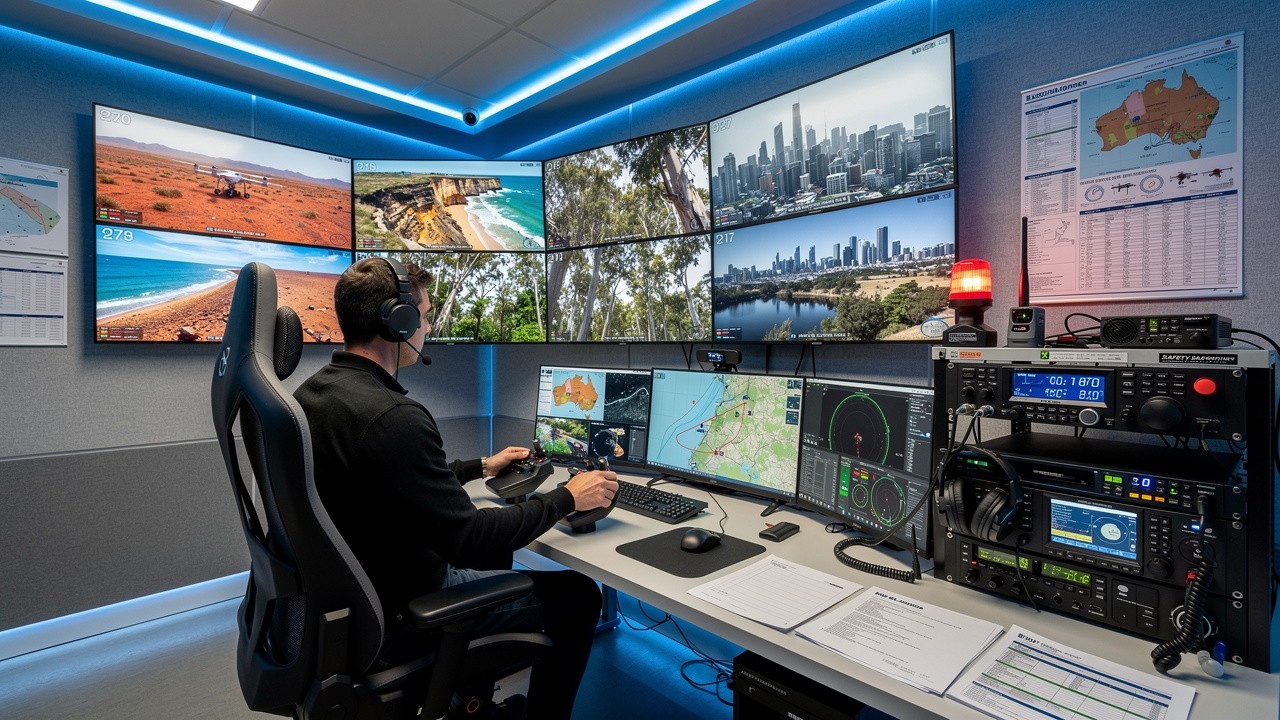
BVLOS operations allow drones to fly beyond the direct sight of the pilot, relying on cameras, sensors, and procedures to keep the aircraft safe. To work in this way in Australia, pilots need a BVLOS endorsement on top of their RePL. This involves extra theory, including the Instrument BVLOS Examination, plus a practical flight test.
Companies running BVLOS services also need specific CASA approvals written into their ReOC. They must show that their procedures, technology, and staff training keep risk low even during long flights over remote or sensitive areas. Common BVLOS tasks include:
-
Long-range surveys of corridors such as powerlines and pipelines
-
Wide-area mapping for resources and environmental work
-
Delivery services for medical items and parcels
Industry specialists such as long-range survey pilots and energy-sector operators describe BVLOS as the natural next step for remote pilot licence careers. It removes the need to place crews under aircraft flight paths or in rough terrain and often produces higher quality data. Pay for BVLOS pilots usually starts around ninety thousand dollars and can climb from there, especially in remote or FIFO roles. Drone Training Hub’s solid RePL training gives a platform for pilots who want to add this endorsement later.
Aeronautical Radio Operator’s Certificate (AROC)
An Aeronautical Radio Operator’s Certificate (AROC) is required any time a drone pilot needs to talk on aviation airband radio. That happens when operating in controlled airspace near major airports and some regional aerodromes. Without this certificate, many urban and peri-urban commercial missions are off the table.
Training covers:
-
Standard radio phraseology
-
Position and intention reports
-
Listening skills and read-backs
-
Emergency communications
Pilots learn how to give clear updates and how to respond to instructions from air traffic control. This knowledge helps keep drones and crewed aircraft separated in busy skies.
For RePL holders targeting work in Sydney, Melbourne, Brisbane, Perth, and other big centres, an AROC is often listed as a requirement. The certificate is usually gained through a short course and a practical assessment. Many professional pilots plan to gain it soon after their RePL so they are ready for work near controlled aerodromes.
Weight Class And Type Rating Endorsements
Most new RePL holders are certified on multi-rotor drones under twenty-five kilograms. To fly heavier aircraft, or certain special types, extra endorsements are required. CASA splits these into classes such as medium (up to one hundred and fifty kilograms) and large (over that), as well as types such as powered-lift aircraft.
Training for these endorsements includes:
-
Theory about the aircraft’s systems and handling
-
Performance limits and loading
-
Practical flying in normal and emergency situations
Heavy-lift drones often carry large sensors or cargoes for mapping, logistics, or surveillance. They may have more complex power systems and controls than standard quadcopters.
Industries that use these aircraft include logistics and delivery, large-scale surveying, and advanced inspection services. Because fewer pilots hold these ratings, and the projects are often critical, pay rates tend to be higher. For RePL holders willing to keep learning, these endorsements are a clear way to stand out.
Specialisations In Data Processing And Analysis
Flying is only half the story in many commercial drone pilot careers. The real value for clients often lies in the data products that come after the flight. Pilots who can also process and interpret data are highly sought after.
Key skills include:
-
Photogrammetry: turning photos into accurate maps and 3D models
-
LiDAR processing: cleaning and classifying point clouds
-
GIS: integrating drone data into wider mapping systems such as ArcGIS or QGIS
-
Thermal analysis: spotting abnormal heat patterns in electrical, building, or crop data
Software packages such as Pix4D, DroneDeploy, and Agisoft Metashape are common in this space. Pilots who master them can move into data analyst or geospatial specialist roles, often with higher pay and more office-based days. In construction, mining, and environmental work, being able to deliver a full package from flight to finished report is a strong selling point.
Starting Your Own Drone Business: The ReOC Pathway
Many pilots reach a point where they want more control over the work they do. Running a drone services business allows them to choose clients and projects and to grow a team around their skills. In Australia, that step requires more than just a RePL. It needs a Remotely Piloted Aircraft Operator’s Certificate (ReOC).
A ReOC is CASA’s way of checking that an organisation, not just an individual pilot, can run safe and lawful operations. It is similar in spirit to the way airlines hold an Air Operator’s Certificate. For anyone planning to build a serious drone company, understanding the ReOC pathway is essential.
What Is A ReOC And Why Do You Need One?
A ReOC is an organisational approval that lets a company carry out commercial drone work under its own name. It sets out how the business manages safety, training, maintenance, and compliance with aviation law. While a RePL confirms that a person can fly safely, the ReOC confirms that the company can run a full operation safely.
Holding a ReOC is mandatory if a business wants to employ other pilots or conduct complex operations that go beyond standard rules. It is also a key requirement for many corporate and government contracts. Insurers commonly ask for a ReOC before offering full commercial cover.
With a ReOC, a business can seek specific approvals such as flying closer to people, operating in controlled airspace, or running BVLOS missions. It also shows clients that the company takes its responsibilities seriously. For many experienced pilots, gaining a ReOC is the natural next step in building long-term commercial UAV careers.
The ReOC Application Process: Step-By-Step
The ReOC process takes time, but it follows a clear set of stages. Knowing these stages early helps pilots plan when and how to make the move from solo contractor to operator.
-
Develop operational manuals.
Every ReOC applicant needs a set of documents describing exactly how the business will operate. These manuals cover topics such as flight planning, risk assessment, emergency actions, pilot training, and maintenance schedules. Some operators write their own from scratch, while others start from templates and refine them to match their style of work. -
Nominate key personnel.
CASA requires each ReOC holder to name a Chief Remote Pilot. This person must hold a RePL and have real-world experience. They are responsible for day-to-day flight operations, regulatory compliance, and the supervision of other pilots. Larger operations may also name people to look after safety management and maintenance oversight. -
Submit the application to CASA.
Once the manuals and key-person forms are ready, they are lodged with CASA for review. The regulator checks that the documents cover all required areas and match the types of operations the business proposes. Processing times vary, so it is wise to allow several weeks or more for this stage. -
Complete CASA assessment activities.
CASA will usually interview the Chief Remote Pilot, either in person or online. During this session they will test knowledge of regulations and the business’s own procedures. They may also request extra information or changes to the manuals. For some operations, CASA may visit the business base to check facilities and systems. -
Maintain ongoing compliance.
After approval, the work is not finished. Manuals must be kept up to date, records of flights and maintenance must be accurate, and any incidents must be reported. CASA can audit ReOC holders to check that what is written in the manuals matches what happens in day-to-day flying. Good record keeping makes these checks much easier.
Benefits And Considerations Of ReOC Ownership
Owning a ReOC brings both rewards and responsibilities. On the positive side, it gives full control over how and where the business operates. It also allows the operator to apply for complex approvals, hire staff, and tender for larger contracts. A well-run drone business can become a valuable asset in its own right.
However, the extra paperwork and compliance load should not be underestimated. Preparing manuals, managing insurance, tracking maintenance, and staying across regulatory updates all take time. Operators also carry greater legal and financial risk if something goes wrong. For most pilots, it makes sense to build solid experience under another company’s ReOC before stepping into ownership.
“Fly for a few different operators before you run your own – it’s the fastest way to see what works and what does not,” is common advice from seasoned Chief Remote Pilots.
Your Pathway To Licensing: From Complete Beginner To Professional Pilot
For someone starting from zero, the rules and acronyms around drone work can feel confusing. In practice, the path from first interest to paid work follows a simple sequence. CASA has set out steps that build from registration through to operator accreditation, RePL, and advanced endorsements.
Knowing this sequence helps people choose where to start. Some will stop at basic operator accreditation for very small jobs. Others will move straight into a RePL because they already know they want access to the best jobs for RePL-certified drone pilots.
Step 1: Drone Registration
Before any drone is flown for work or business in Australia, it must be registered with CASA. This applies regardless of weight and covers activities such as real estate photography, farm monitoring, and site inspections. Registration links the drone’s serial number to a person or organisation.
The process runs through CASA’s myCASA portal and is mostly online. Registration lasts for twelve months and then needs renewal. The person registering the drone must be at least sixteen years old. Fees can vary by aircraft type, but the process is quick and usually confirmed within minutes.
Step 2: Operator Accreditation (Limited Commercial Use)
Operator accreditation is the lightest qualification for paid drone work. It is needed when flying a drone of two kilograms or less for business, or a drone up to twenty-five kilograms over land that the pilot owns or leases. This option suits people doing simple, low-risk tasks without the need for a full licence.
To gain accreditation, a person:
-
Creates a myCASA account
-
Requests an Aviation Reference Number (ARN) if they do not have one
-
Completes an online safety quiz
The quiz is free, with a pass mark of eighty-five per cent. CASA provides study material online so people can prepare at their own pace.
Once completed, the accreditation certificate is downloaded and stays valid for three years. It is a good stepping stone for those who want to try small jobs before committing to full RePL training. However, it does not replace a RePL for broader commercial drone pilot careers or work with ReOC holders.
Step 3: Obtaining Your Remote Pilot Licence (RePL)
The RePL is the main licence for professional drone work in Australia. It is required for flying drones heavier than two kilograms for any kind of paid job and for most roles with established drone service companies. RePL holders do not also need operator accreditation.
Training usually runs as a five-day program, split between theory and practical flying. Theory covers aviation law, aerodynamics, weather, navigation, human factors, mission planning, and risk management. Many providers, including Drone Training Hub, now offer this theory online in a self-paced format, which suits people balancing work and family commitments.
The practical component takes place face to face with an instructor. Over about two days, pilots learn take-off and landing drills, emergency procedures, accurate manoeuvres, and standard checks. At the end, they sit both a written exam and a practical flight test. These assessments check that each person meets CASA ’s competency standards.
After gaining the licence, new pilots are expected to log at least five hours of flying under standard operating conditions. This extra experience bed downs their skills and builds confidence before they take on complex commercial projects. From there, they can start applying for drone pilot jobs in Australia or building their own client base. Over time, they can add endorsements such as BVLOS, AROC, or heavier weight classes as their career goals develop.
Conclusion And Next Steps
RePL certification now sits at the heart of many well-paid roles across Australian industry. From surveying and mining to media, emergency services, and logistics, jobs for RePL-certified drone pilots keep expanding as more organisations trust drones for daily work. The licence turns casual flying into recognised, legal skill that employers and clients rely on.
This guide has shown how those careers look in practice. It has covered the main industries hiring, the job titles and duties behind common ads, typical pay bands, and the advanced endorsements that lift earning power. It has also explained how ReOC ownership and data skills fit into longer-term plans for commercial drone pilot careers .
The logical next step is clear training. Drone Training Hub offers a practical, plain-English pathway from first theory lesson to confident, compliant operations on site. With self-paced online learning, in-person flight days, and instructor support, it helps people step into drone pilot jobs in Australia with both a licence and real-world skills. For anyone ready to move from hobby flying to professional work, now is a good time to get started.
FAQs About Jobs For RePL-Certified Drone Pilots
Do I really need a RePL to get paid drone work in Australia?
Yes, a RePL is required for any paid work with drones over two kilograms and for most jobs under a company ReOC. Operator accreditation covers only very small, low-risk work with light drones or flights over your own land. For serious drone pilot jobs in Australia, employers expect a current RePL.
How long does it take to become a commercial drone pilot?
Most people can complete a RePL course in about five days of study and flying, spread over online theory and in-person practical training. After that, they log extra hours to build confidence and start looking for entry-level roles. With steady practice, many pilots feel work-ready within a few weeks.
What kind of drone should a beginner buy when planning for a RePL?
A common approach is to start with a small, reliable consumer drone that has strong safety features such as obstacle sensing. This lets beginners practise basic control without high repair costs. During RePL training, providers like Drone Training Hub supply suitable aircraft, so there is no need to buy a heavy or complex drone early on.
Are there part-time or side-gig options for RePL-certified pilots?
Yes, many licensed pilots start with part-time aerial photography jobs, small inspections, or local mapping work. These side projects help build a portfolio and experience while keeping a main job. Over time, some people move into full-time commercial UAV careers once demand and income are stable.
Can I use a RePL as a stepping stone into other aviation careers?
A RePL gives a strong grounding in air law, weather, navigation, and risk management, all of which line up with broader aviation training. Some people move from drone work into crewed flying or into roles such as safety management and operations coordination. Even for those who stay with drones, that foundation supports long-term growth as technology and job types keep changing.
Frequently Asked Questions About RePL Drone Pilot Jobs
What industries hire RePL-certified drone pilots in Australia?
Industries hiring RePL-certified drone pilots include construction, mining, agriculture, energy, infrastructure inspection, film production, surveying, and emergency services. Demand is strongest in sectors where drones improve safety, reduce costs, or provide high-quality aerial data.
Can you get a drone job in Australia with just a RePL?
Yes, many entry-level drone pilot roles require only a RePL and basic experience. However, higher-paying roles often prefer additional skills such as surveying knowledge, data processing, BVLOS endorsements, or industry-specific experience.
Do drone pilot jobs in Australia require a ReOC?
A ReOC is only required if you operate your own drone business. If you work for a company that already holds a ReOC, you only need your RePL and any required endorsements.
Are drone pilot careers in Australia full-time or freelance?
Both options exist. Many pilots start with freelance photography or inspection work before moving into full-time roles in surveying, mining, or infrastructure operations.