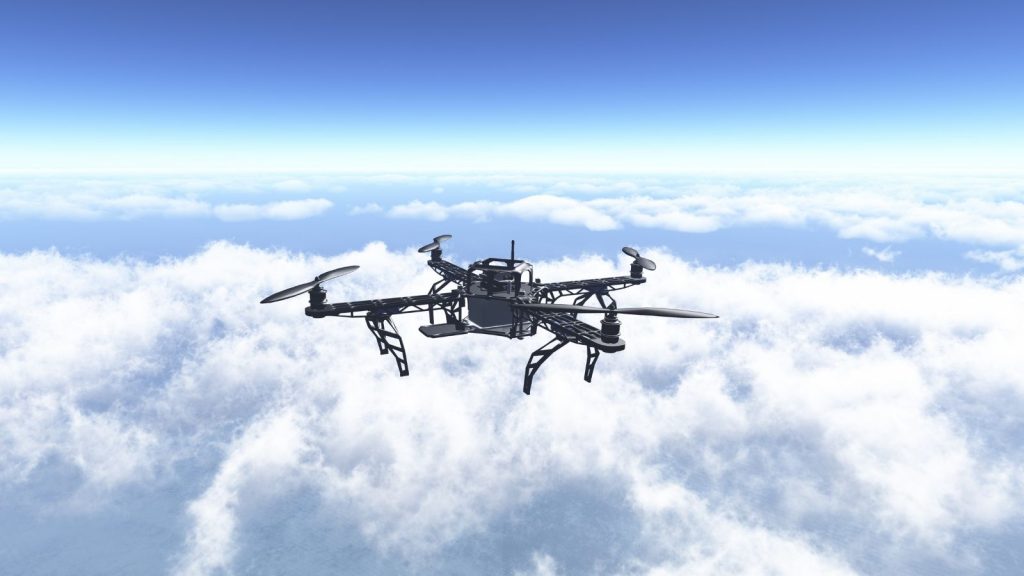
A drone can do in half an hour what used to take half a day in a ute, especially once the bitumen ends. That is why drone training for remote Australia is no longer a side project; it is becoming standard kit for construction, mining, agriculture and infrastructure work across the regions.
The hard part is not seeing the value; it is working out how to get a proper drone licence without spending a week and a fortune travelling to a city.
Remote and regional operators deal with long distances, harsh heat, dust, wind and patchy reception. Training for a drone pilot licence in Australia has to respect that reality. It has to fit around FIFO swings, wet seasons and harvest, while still meeting CASA drone licence requirements and keeping people safe around RFDS flights, mustering aircraft and remote airstrips.
That is where blended learning comes in. By combining online drone training Australia wide for theory with short in‑person flight blocks, a hybrid drone training course lets remote pilots gain a Remote Pilot Licence (RePL) without walking away from work for weeks. Drone Training Hub focuses exactly on this model, offering CASA‑aligned RePL training built by instructors who know remote area drone operations first‑hand.
Read on and the path should feel clear. This article walks through what a RePL is, how blended learning works step‑by‑step, what it means for drone training across regional Australia, and how Drone Training Hub helps individuals, farmers and remote businesses become licensed drone operators in Australia with as little travel as possible.
“The remote crews who gain the most from drones are the ones who treat them as serious aviation tools, not just flying cameras.” – Senior Instructor, Drone Training Hub
Key Takeaways
-
Drone training for remote Australia means fitting CASA‑aligned learning around long distances, harsh environments and limited access to training centres. A blended learning drone certification model allows theory to be completed online, then practical training delivered in a regional hub or on‑site for groups. This cuts travel time while still meeting CASA standards.
-
For very simple, low‑risk jobs with small drones, the Excluded Category might be enough, especially on your own property. For most paid work with drones over 2 kg, or when flying under a company ReOC, a Remote Pilot Licence (RePL) in Australia is the standard. Training is strongly recommended even when a licence is not strictly required.
-
Remote learners can finish theory over a couple of weeks part‑time, then attend two to four days of in‑person flying and assessment. This blended drone operator training program fits around FIFO rosters, farm seasons and shutdowns better than a full week away in the city.
-
Drone Training Hub supports individuals and teams with self‑paced online content, regional practical blocks and on‑site courses for larger groups. This helps bring drone certification to remote areas, including mines, civil projects, stations and remote communities.
-
Drones are creating strong work opportunities in remote construction, mining, agriculture, infrastructure and energy. With the right training and licence, drones move from “nice camera toy” to a reliable tool for safe inspections, mapping, stock checks and asset management.
Answer Box: How Can You Complete Drone Training In Remote Australia?
You can complete drone training in remote Australia by studying your CASA‑aligned RePL theory online, then attending a short practical block in a regional centre or arranging on‑site training for a group. This blended approach lets you work through RePL training in remote areas at your own pace while still meeting CASA’s face‑to‑face flight training and assessment rules.
For many people searching for drone licence remote Australia or drone pilot certification online, this is the most realistic option. Drone Training Hub delivers this blended model, including on‑site courses for organisations in remote locations that need several staff licensed at once.
Why Drone Training Matters Specifically For Remote And Regional Australia
Remote and regional projects use drones for jobs that once needed crews, scaffolds and long drives:
-
Civil and construction teams measure earthworks, stockpiles and haul roads.
-
Mining and resources staff check pits, benches and conveyors.
-
Farmers monitor crop health, water points, fence lines and stock.
-
Power and pipeline crews inspect corridors and structures across huge distances.
For all of these, reliable UAV training Australia wide is now part of running a safe and efficient operation.
The risks outside the cities are higher. A mistake on a remote haul road or station airstrip may be hours from proper medical help. Drones share low‑level airspace with RFDS and rescue helicopters, mustering aircraft, aerial ag flights and charter traffic. Many strips are unmarked, private or linked to mining and defence activity. A licensed drone operator in Australia needs to read airspace, check NOTAMs and understand local procedures, not just rely on an app.
Harsh conditions add another layer. Heat, dust, strong wind and fast‑changing weather affect battery life, performance and visibility. In some spots mobile coverage is weak or missing, so pilots must plan flights and airspace checks ahead of time and work offline during missions. Good drone training in rural Australia covers meteorology, battery care, contingency planning and offline tools, not just “how to take off and land”.
High‑quality drone training for remote Australia turns drones into a dependable work method rather than a risky gadget. Pilots learn to:
-
Run proper risk assessments and JSAs.
-
Brief crews and subcontractors.
-
Protect the public and sensitive areas.
-
Keep projects on schedule despite weather and access issues.
Training also builds a strong compliance culture around CASA rules, which matters when contracts and safety records are on the line far from major centres.
“A well‑trained drone pilot is a safety asset, not just a data collector.” – CASA Safety Promotion Material
What Is A RePL And How Does Blended Learning Make It Accessible In Remote Areas?
Under CASR Part 101, CASA regulates all remote drone operations training. Some low‑risk flying can be done in the Excluded Category, such as sub‑2 kg work or certain landholder activities on your own property. As soon as drones get heavier, sites more complex or clients more demanding, a Remote Pilot Licence (RePL) becomes the normal path for commercial flying.
A RePL is an individual CASA licence that confirms you are trained and competent to fly drones for business within a set weight class, usually multirotor under 7 kg or under 25 kg. It is the standard qualification employers expect for mining, construction, surveying and infrastructure roles, and it is required when flying under a company’s Remote Operator Certificate (ReOC). If someone wants a drone licence for agricultural use that goes beyond simple sub‑2 kg work, a RePL is the starting point.
A CASA‑aligned RePL course covers:
-
Air law and standard operating conditions.
-
Airspace and basic chart reading.
-
Meteorology and local weather effects.
-
Mission planning and site assessment.
-
Human factors and risk management.
It also includes practical flying where you complete pre‑flight checks, normal and emergency procedures, pattern work and a final flight test. Many courses add topics like privacy, data handling and basic radio use around regional aerodromes.
Purely in‑person training is hard for remote operators. Travel to a city, several nights’ accommodation and time away from site or farm can blow the budget. That is why blended learning drone certification is such a good fit for remote and regional pilots.
Drone Training Hub delivers RePL theory online in plain English, with videos, diagrams and quizzes that you can study from home, camp or a site office. Then instructors run short, focused practical blocks in regional centres or selected remote communities, giving you the hands‑on experience CASA requires without a full week off work.
How Blended Drone Training Works Step-By-Step For Remote Learners And Teams
Blended drone training for remote Australia follows a clear path from first interest to holding a RePL in your myCASA account. The process is the same whether you are a career changer in a small town or a supervisor on a mine. The key difference is that most of the learning happens online, and the flying happens as a compact in‑person block.
Step 1 – Work Out The Level Of Approval You Need
For some serious hobbyists or new business owners, Excluded Category rules with a sub‑2 kg drone may cover early work such as basic property photos. Once paid jobs involve heavier aircraft, mine or civil contracts, or tighter operating margins, RePL training in remote areas is the safer choice. A RePL also sets you up to work under a ReOC or move toward more advanced approvals later.
Step 2 – Enrol In A CASA-Aligned Blended RePL Course
When choosing a drone operator training program, look for:
-
Clear reference to CASA and the Part 101 Manual of Standards.
-
Instructors who have flown in regional and remote conditions.
-
Course material that matches your drone category and work type.
With Drone Training Hub, enrolment gives instant access to the online portal so learning can start straight away. Businesses can enrol teams together, gaining group pricing and shared schedules.
Step 3 – Complete The Online Theory From Where You Live And Work
Most learners finish theory over one to three weeks part‑time, depending on how many hours they can spare. The content is broken into short modules on:
-
Air law and airspace.
-
Safety and risk assessment.
-
Weather and its impact on drones.
-
Mission planning and human factors.
Practice quizzes help check understanding. For remote students it helps to:
-
Download key resources before heading out bush.
-
Block out regular study time around shifts, mustering or harvest.
-
Use offline notes and printouts where internet is unreliable.
Step 4 – Attend Practical Flight Training And Assessment
Once theory is done and exams are passed, you join a practical block in a regional centre or at a host site. Over two to four days you complete:
-
Briefings and JSAs.
-
Pre‑flight checks and site setup.
-
Standard manoeuvres and pattern work.
-
Emergency drills and lost‑link procedures.
You finish with a flight test. For organisations with five or more staff, Drone Training Hub can run training on‑site at mines, depots, stations or remote communities, subject to an operational check.
Step 5 – Receive Your RePL And Start Operating
After you pass, Drone Training Hub submits the necessary paperwork to CASA so your RePL can be issued. You can then:
-
Fly under your own ABN in the right category.
-
Operate under an employer’s ReOC.
-
Start planning further steps such as a ReOC application or Aeronautical Radio Operator Certificate.
Graduates can contact the team later for guidance on applying CASA rules to real jobs or planning future training.
Benefits Of Blended Drone Training For Remote Individuals, Businesses And Communities
The biggest win of blended drone training for remote Australia is access. Most of the learning happens at home, on station, at camp or in a regional office, using any device with internet. Practical flying is grouped into short blocks that you attend once, either in a regional hub or via an on‑site visit for larger groups. This keeps flights, accommodation and lost time away from work to a minimum.
Flexibility matters just as much. Self‑paced online modules fit around:
-
FIFO rosters and shutdowns.
-
Calving, lambing and harvest.
-
Wet‑season road closures and supply delays.
Because Drone Training Hub gives immediate access after enrolment, remote teams can start online drone training across Australia well before a practical date, so people use downtime productively.
Safety and compliance sit at the centre of the program. Training is mapped to CASA’s Manual of Standards and current drone regulations in Australia, with strong focus on:
-
Risk assessment and JSAs.
-
Human factors and fatigue.
-
Emergency plans in isolated areas.
-
Operating safely around airstrips, haul roads and plant.
Pilots learn not only the rules, but why they exist, and how to apply them around small communities and working sites.
The content is grounded in real remote work. Instructors have experience across construction camps, mines, stations, remote communities and long infrastructure corridors, so examples feel familiar. Courses talk about:
-
Dust, heat and strong wind.
-
Airspace around mustering and RFDS.
-
Offline planning tools and mapping.
-
Sharing the sky with low‑level aircraft.
This kind of remote drone operations training means graduates step onto site with realistic expectations.
For businesses, blended training cuts costs and lifts productivity. Once a team has in‑house RePL holders, you can handle routine surveys, inspections and mapping without waiting on external crews. That:
-
Speeds up decisions about stockpiles, tailings dams, crops, fence lines and power assets.
-
Reduces repeat visits caused by poor planning or non‑compliant flying.
-
Builds internal knowledge about site‑specific risks and procedures.
There is also a strong community benefit. Drone Training Hub’s Fly Forward NT scholarship program supports high school students in remote Northern Territory communities to gain a RePL at low or no cost. This creates a path into jobs in land management, conservation, emergency services, agriculture and infrastructure, building local capability instead of always flying in outside contractors.
“When young people in remote regions gain aviation skills, they don’t have to leave country to find meaningful work.” – Community Educator, Northern Territory
How To Get Licensed From A Remote Location: Practical Scenarios And Next Steps
Getting a RePL from a remote location is very achievable with the right plan. The exact steps look slightly different depending on who is learning, but the core blended model stays the same. Here are a few examples that match common situations across remote and regional Australia.
Scenario 1 – Career Changer In A Remote Town
Someone living in a mining or regional centre may want to move into full‑time drone work on construction, infrastructure or energy projects. They:
-
Enrol with Drone Training Hub.
-
Finish theory online around their current job.
-
Travel to the nearest regional practical block.
After gaining a RePL, they can apply for roles where a remote pilot licence (RePL) in Australia is listed as a requirement and fly under a company ReOC.
Scenario 2 – Station Owner Or Agricultural Professional
A producer might already use a small drone under Excluded Category rules for basic checks. After seeing the value, they want heavier aircraft and more advanced missions, such as:
-
Mapping paddocks and contour lines.
-
Inspecting remote water points and troughs.
-
Supporting spraying operations with separate approvals.
They complete training on CASA rules, then move into a blended RePL course, often in the under‑25 kg category. Drones then slot into whole‑of‑farm planning alongside agronomists and other advisers.
Scenario 3 – Remote Civil Or Mining Business Building Internal Capability
A civil contractor or mine operator may have several engineers or supervisors across different sites who all need drone skills. The company:
-
Books a group course with Drone Training Hub.
-
Gives everyone immediate online access to theory.
-
Schedules a practical block at a central depot or camp.
Instructors travel to site for on‑ground training, leaving the business with a small team of licensed pilots ready to fly under an existing or planned ReOC.
Scenario 4 – Youth Pathways In Remote Communities
Through Fly Forward NT, eligible senior students in remote Northern Territory schools can gain subsidised or fully funded RePL training. They study online with school support, then complete practical flying in a regional centre or on‑country location. This puts a recognised aviation credential on their resume before graduation and opens doors in many remote industries.
For anyone ready to start, the next steps are straightforward:
-
Check the type of flying you plan to do against CASA categories.
-
Decide whether Excluded Category is enough or if you need a RePL.
-
Contact Drone Training Hub to discuss course options.
-
Choose course dates, plan study time and lock in a practical block that fits your work and travel patterns.
Conclusion
Across remote Australia, drones have moved from novelty to everyday tool for construction, mining, agriculture, infrastructure and energy work. With long distances, hazardous sites and limited support, flying without proper training is a risk to people, aircraft and contracts. CASA‑aligned RePL training is the safest path to legal, professional operations when stakes are high and help is far away.
Blended drone training for remote Australia makes that training realistic for people who cannot just “duck into the city” for a week. Online theory, backed by clear support, means you can study from where you live and work. Short, targeted practical blocks in regional or on‑site locations give you the hands‑on skills CASA needs for a drone pilot licence in Australia.
Drone Training Hub focuses on this blended model, with a CASA‑aligned RePL program, strong support for regional and remote students, and real‑world examples drawn from actual work sites. Whether you are an individual, a station, a council, a civil contractor or a mining business, Drone Training Hub can help design a training approach that fits your location and your team. To take the next step, look at upcoming courses or get in touch to talk through training options for your site, station or community.
Ready To Get Licensed Without Leaving The Bush For Weeks?
If you’re working in remote or regional Australia, the biggest barrier to getting your Drone Training for Remote Australia sorted is usually distance, time and logistics. The good news is, with the right approach, you can complete your RePL without disrupting your work or leaving your community for long periods.
Whether you’re:
-
Based on a station, in a remote town or on a project site
-
Working FIFO or managing seasonal workloads
-
Or looking to bring drone capability into your business or team
There is a clear, practical path to getting licensed and job-ready.
At Drone Training Hub, we’ve designed training specifically for remote operators:
-
Complete theory online from anywhere in Australia
-
Attend short, focused practical blocks in regional locations
-
Arrange on-site training for teams of five or more
-
Get full support through CASA licensing and next steps
👉 Speak with our team today to plan your RePL training around your location, roster and availability.
Or, if you’re ready to get started:
👉 View upcoming regional training dates and enrol in your RePL course
FAQs
What Licence Do I Need To Fly A Drone Commercially In Remote Australia?
For very simple, low‑risk work with drones under 2 kg, you may be able to operate in CASA’s Excluded Category if you follow the standard operating conditions and notify CASA. For most commercial jobs with heavier drones, or when flying under a company ReOC, you will need a Remote Pilot Licence (RePL). Even in the Excluded Category, training is strongly recommended so you understand your legal responsibilities.
Can I Complete My RePL Theory Fully Online From A Remote Location?
Yes. RePL theory can be completed through an online learning portal that follows CASA’s syllabus, covering air law, safety, weather and planning. You still need in‑person flight training and assessment to gain the licence, as CASA requires hands‑on flying. Drone Training Hub offers online theory that you can access anywhere in Australia, then connects you with practical training in regional or on‑site locations.
How Long Does It Take To Get A RePL If I Live In Regional Or Remote Australia?
Most learners complete theory in one to three weeks of part‑time study, depending on work and family commitments. Practical flying and assessment usually run over several consecutive days in a regional centre or on‑site block. After the course, CASA processes your licence application. Because theory is online, blended training lets you move at your own pace before locking in practical dates that fit rosters and farm work.
Does Drone Training Hub Offer On-Site Drone Training For Remote Teams?
Yes. Drone Training Hub can arrange on‑site RePL training for organisations with groups of about five or more participants, subject to availability and an operational assessment of the site. Instructors travel to your mine, civil project, utilities depot or remote community to deliver the practical component where your staff actually work. This model cuts travel time and costs and is ideal for building a consistent internal drone capability across remote teams.