

How to Fly a Drone Legally in Australia (Complete Guide)
To legally fly a drone in Australia, you must follow rules set by the Civil Aviation Safety Authority (CASA). Recreational pilots can fly without a licence under strict safety conditions, while any paid or business-related flying requires Operator Accreditation or a Remote Pilot Licence (RePL). Drone weight, airspace, and location restrictions also affect where and how you can operate.
Understanding the Legal Rules Before You Fly a Drone
Many people buy a drone, charge the battery, and only then wonder whether they are actually allowed to fly a drone the way they planned. A casual sunset shot can turn into a paid real-estate job or an offer to film a construction site, and the simple question “Do I need a licence?” suddenly feels far bigger than the aircraft.
Across Australia, drones are now used in construction, farming, media, inspections, and local councils, alongside thousands of weekend hobby pilots. The Civil Aviation Safety Authority (CASA) regulates all of this, from tiny quadcopters to larger fixed‑wing aircraft. The legal line between flying for fun and flying for work is clear, but many pilots are still unsure where they sit.
“A drone is an aircraft, not a toy,” is a message CASA repeats often, and it is the best mindset to keep yourself out of trouble.
That uncertainty can lead to accidental rule‑breaking, lost work, fines, or complaints. It can also stop people from earning income with a drone because they assume commercial flying is out of reach. This guide from Drone Training Hub explains, in plain language, when you do and do not drone pilot licence, how drone weight affects the rules, what types of certification exist, and what else you must consider (airspace, national parks, privacy, insurance, and travel). It also shows how good training turns CASA rules into a practical framework for safe, legal, paid work.
Key Takeaways
-
Recreational flying only (for fun): No licence or CASA registration is required for drones up to 25 kg, but you must follow CASA’s standard operating conditions every flight. That means visual line‑of‑sight, below 120 m, at least 30 m from people, and no crowds or emergencies.
-
Any work or payment = commercial: The moment a flight has a business link (cash, barter, or monetised content), it is treated as commercial. Under 2 kg, this usually needs Operator Accreditation plus drone registration. Heavier or higher‑risk work needs a Remote Pilot Licence (RePL).
-
Sub‑250 g drones still have rules: Tiny drones (for example, many DJI Mini models) are still remotely piloted aircraft (RPA) in Australia. The same key safety rules apply: below 120 m, 30 m from people, visual line‑of‑sight, and airspace checks. Their low weight changes licensing pathways, not safety obligations.
-
Age limits differ: There is no minimum age for purely recreational flying, but you must be 16 or older to hold Operator Accreditation, a RePL, or to register drones used for work.
-
ReOC for advanced jobs: A Remotely Piloted Aircraft Operator’s Certificate (ReOC) is a company‑level approval that sits above individual licences. Work such as flying at night, closer to people, or near complex sites usually needs a ReOC plus specific CASA approvals.
-
Airspace checks are mandatory: Every pilot, recreational or commercial, must use a CASA‑verified drone safety app before each flight. Built‑in tools like DJI Fly Safe are helpful but do not replace an official airspace check.
-
Penalties can be steep: CASA can issue fines in the thousands of dollars per incident, and serious cases may go to court. Insurance might not respond if flights breached CASA rules.
-
Commercial flying is realistic: With the right training and credentials from providers such as Drone Training Hub, one drone can support paid work in real estate, construction, farming, inspections, and media—without turning your hobby into a legal risk.
The Simple Answer: When Do You Actually Need A Drone Licence In Australia?
Licence requirements in Australia are based on why you fly and then what you fly. If you fly only for personal enjoyment, with no money, business benefit, or work task involved, you are a recreational pilot. For drones up to 25 kg, you do not need a licence or CASA registration.
As soon as a flight has any work, payment, or business purpose, CASA treats it as commercial. That includes:
-
Filming a house for an agent
-
Inspecting a rental property for business records
-
Recording site progress for your employer
-
Capturing footage for a monetised YouTube channel
Money does not need to change hands on the day. Barter (for example, photos in exchange for a discount) is still economic gain.
Once a flight is commercial, drone weight sets the pathway:
-
Up to 2 kg – Excluded category: needs Operator Accreditation and registration.
-
Over 2 kg to 25 kg – RePL required for work, and most professional jobs also run under a ReOC.
Brand, price, or camera quality do not change this. CASA focuses on purpose and weight, not how fancy the drone looks.
Flying For Fun: What Recreational Drone Pilots Need To Know
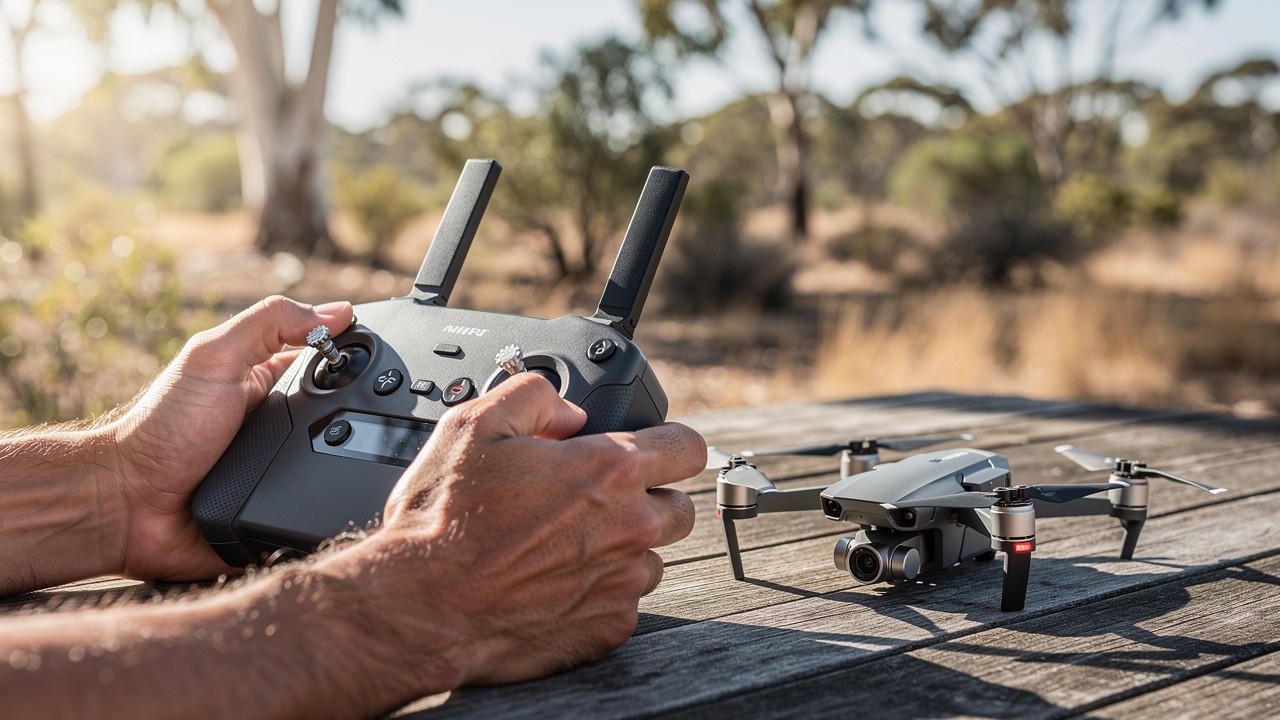
Recreational flying is how most Australians first experience drones. If your flights are purely for fun—no payment, no business use—you do not need a licence or drone registration for aircraft up to 25 kg.
You still must follow CASA’s standard operating conditions:
-
Visual line‑of‑sight only
-
Daytime flying
-
Below 120 m AGL
-
At least 30 m from other people
-
No flights over crowds or busy areas
A common myth is that sub‑250 g drones are “just toys” and can ignore rules. In Australia, they are still RPA, so you cannot use a light weight to justify flying over people, going higher than 120 m, or entering restricted airspace.
You must also stay away from emergency scenes such as bushfires, serious crashes, or police operations. Drones can interfere with helicopters and fixed‑wing aircraft working to save lives, and penalties are high for anyone who flies near these events.
There is no minimum age for recreational flying, but the rules do not soften for children. Adults should supervise young pilots closely and treat the drone as an aircraft from the first flight.
The moment you use a recreational drone for any business benefit, even a small one, you step into commercial territory and need the correct approvals. When in doubt, seek advice from Drone Training Hub or check CASA’s guidance before accepting paid work.
The Non‑Negotiable Safety Rules Every Recreational Pilot Must Follow
Every recreational pilot must follow these core safety rules:
-
Visual line‑of‑sight: You must see the drone with your own eyes at all times—no binoculars, FPV goggles, or flying only off the screen.
-
Height limit: Stay below 120 m above ground level to keep clear of crewed aircraft—a critical rule highlighted in research about drones flying too high that documented numerous altitude violations posing risks to manned aviation.
-
Separation from people: Keep at least 30 m horizontally from anyone not directly involved in the flight. Never fly directly over a person.
-
Airspace restrictions: Do not fly in controlled, restricted, or prohibited airspace (for example near major airports, some military bases, and prisons) without formal approval.
-
One drone at a time: You may control only one aircraft at once.
-
Weather and visibility: Avoid strong or gusty winds, low cloud, fog, smoke, and rain. If you lose sight of the aircraft, you must safely land.
-
Manned aircraft priority: If a helicopter or aeroplane comes near, descend and land as soon as it is safe.
A CASA‑verified safety app is the easiest way to check where these rules apply before you even leave home.
Commercial Drone Operations: Understanding Your Licensing Pathways
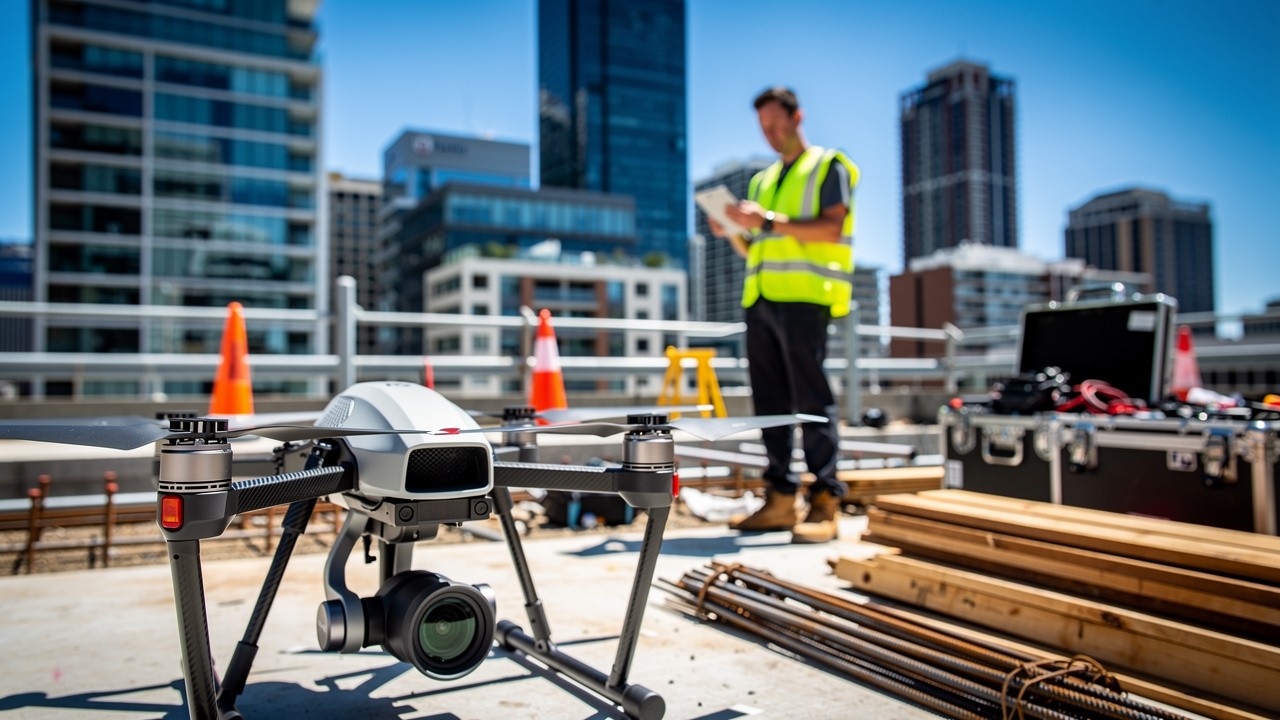
When a drone becomes part of work, CASA expects higher standards of knowledge and planning. You are now a professional pilot operating an aircraft, not just “someone with a drone”.
There are three main building blocks:
-
Operator Accreditation – entry point for low‑risk commercial flights with drones up to 2 kg in the Excluded category.
-
Remote Pilot Licence (RePL) – individual licence for pilots flying heavier aircraft or doing more demanding work.
-
Remotely Piloted Aircraft Operator’s Certificate (ReOC) – company‑level approval that sets out how an organisation manages safety, procedures, and advanced permissions.
Operator Accreditation suits jobs like roof checks, basic real‑estate photography, and simple farm inspections using light drones. You complete it online through myCASA, then register each drone used for work. You must still follow standard operating conditions.
A RePL involves formal theory, exams, and a practical flight test. It is required for commercial work with drones over 2 kg and for pilots working under a ReOC. RePL‑qualified pilots commonly use aircraft such as DJI Inspire and Matrice series or fixed‑wing mapping drones.
A ReOC belongs to a business, not an individual. It confirms that the organisation has documented procedures, record‑keeping, a chief remote pilot, and a safety system. Many larger clients specifically look for operators who hold a RePL and fly under a ReOC.
For all commercial work, you must:
-
Be at least 16 years old
-
Hold the correct accreditation or licence
-
Register each drone with CASA
Drone Training Hub specialises in commercial drone training in a structured, plain‑English way.
H3 Operator Accreditation: The Entry Point For Small Commercial Drones
Operator Accreditation is ideal if you:
-
Fly drones up to 2 kg for paid work (real estate, basic inspections, content shoots), or
-
Are a landowner/lessee using drones up to 25 kg over your own property while staying within standard operating conditions.
The process is:
-
Create a myCASA account and get an Aviation Reference Number (ARN).
-
Work through CASA’s learning material and safety video.
-
Complete a short online quiz on airspace, distances, weather, and emergencies.
-
Register each drone you will use commercially.
You still must fly in daylight, keep 30 m from people, stay below 120 m, and remain within visual line‑of‑sight. As your jobs become more demanding, this often becomes the jumping‑off point for RePL training with Drone Training Hub.
H3 Remote Pilot Licence (RePL): Your Professional Aviation Qualification
A Remote Pilot Licence (RePL) is the main professional credential for drone pilots in Australia. You need it if you:
-
Fly drones over 2 kg for work
-
Want to work for a company operating under a ReOC
-
Plan to handle higher‑risk or more advanced jobs
RePL training has two parts:
-
Theory – air law, airspace, weather, navigation basics, human factors, and aircraft systems, all explained in practical terms.
-
Practical – planning and flying missions, handling normal and emergency procedures, and demonstrating safe control and good situational awareness.
Drone Training Hub delivers theory online so you can study around work and family, followed by in‑person flight training and assessment. You also learn about risk assessment, checklists, and incident reporting, which are vital under a ReOC.
A RePL elevate your career such as construction progress capture, industrial inspections, surveying support, and advanced media projects. Keeping your knowledge current through refresher material and CASA updates keeps the licence valuable over time.
H2 Drone Weight Categories And How They Affect Your Licensing Requirements
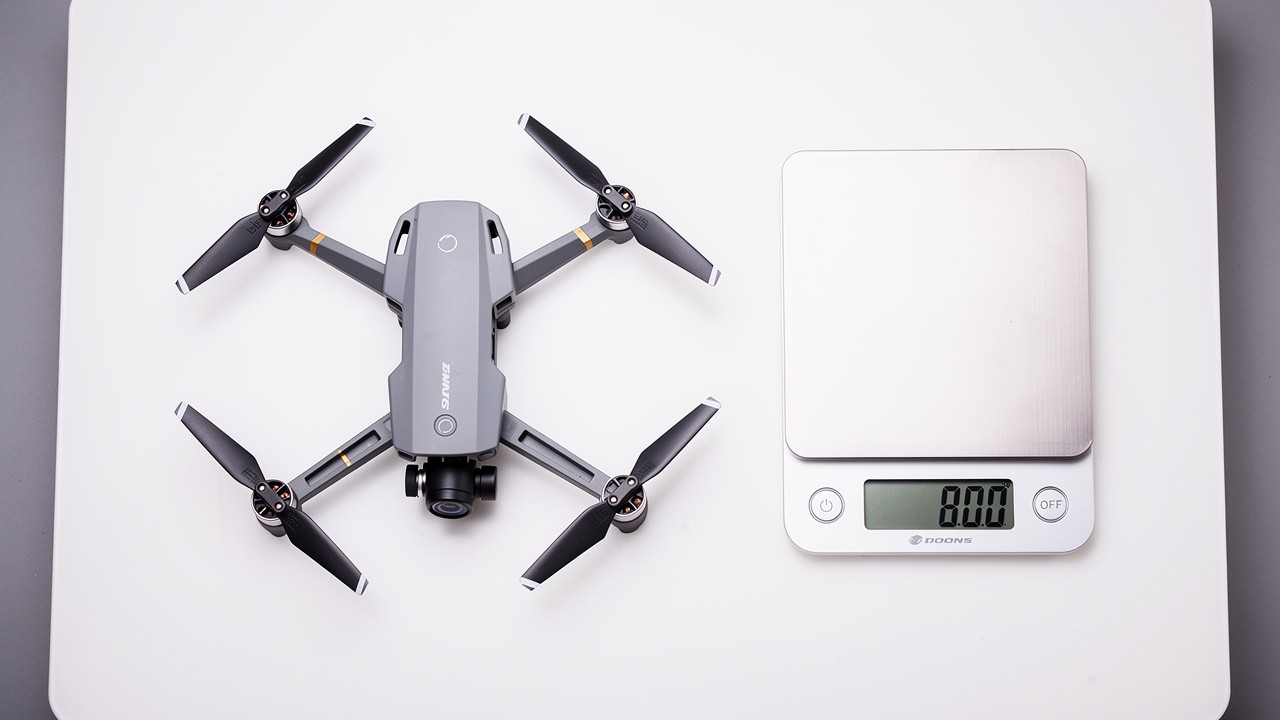
CASA uses weight categories to match rules to potential harm. Heavier drones carry more energy and can cause more damage, so requirements increase as weight rises.
|
Category |
Take‑Off Weight (incl. battery & payload) |
Typical Use & Licensing |
|---|---|---|
|
Micro RPA |
≤ 250 g |
Recreation: no licence/registration, rules still apply. Commercial: needs accreditation + registration. |
|
Excluded |
> 250 g – 2 kg |
Many prosumer drones (DJI Air/Mavic etc.). Commercial use: Operator Accreditation + registration. |
|
Small RPA |
> 2 kg – 25 kg |
Inspire, Matrice, many fixed‑wing mapping drones. Commercial use: RePL, usually under a ReOC. |
|
Medium/Large |
> 25 kg |
Specialist aircraft; require RePL, ReOC, and detailed CASA approvals. |
For recreational flying, weight does not remove the main safety rules. A 249 g drone must still follow the 120 m height limit, 30 m separation, and bans on populous areas and emergency scenes.
H3 Popular Drone Models And Their Licensing Requirements
Linking rules to familiar models helps:
-
DJI Mini series (sub‑250 g) – Micro RPA.
-
Recreational: no licence or registration, but all safety rules apply.
-
Commercial: needs Operator Accreditation and registration.
-
-
DJI Air / Mavic and similar prosumer drones (250 g–2 kg) – Excluded category.
-
Commercial use: Operator Accreditation plus registration.
-
Common for real estate, content creation, and light inspection work.
-
-
DJI Inspire, Matrice and many fixed‑wing mapping drones (>2 kg) – Small RPA.
-
Commercial use: RePL required, and most serious operators also fly under a ReOC.
-
Always check the manufacturer’s take‑off weight, including payloads and accessories, as that is what CASA uses to classify the aircraft.
H2 Beyond The Licence: Essential Airspace And Location Restrictions
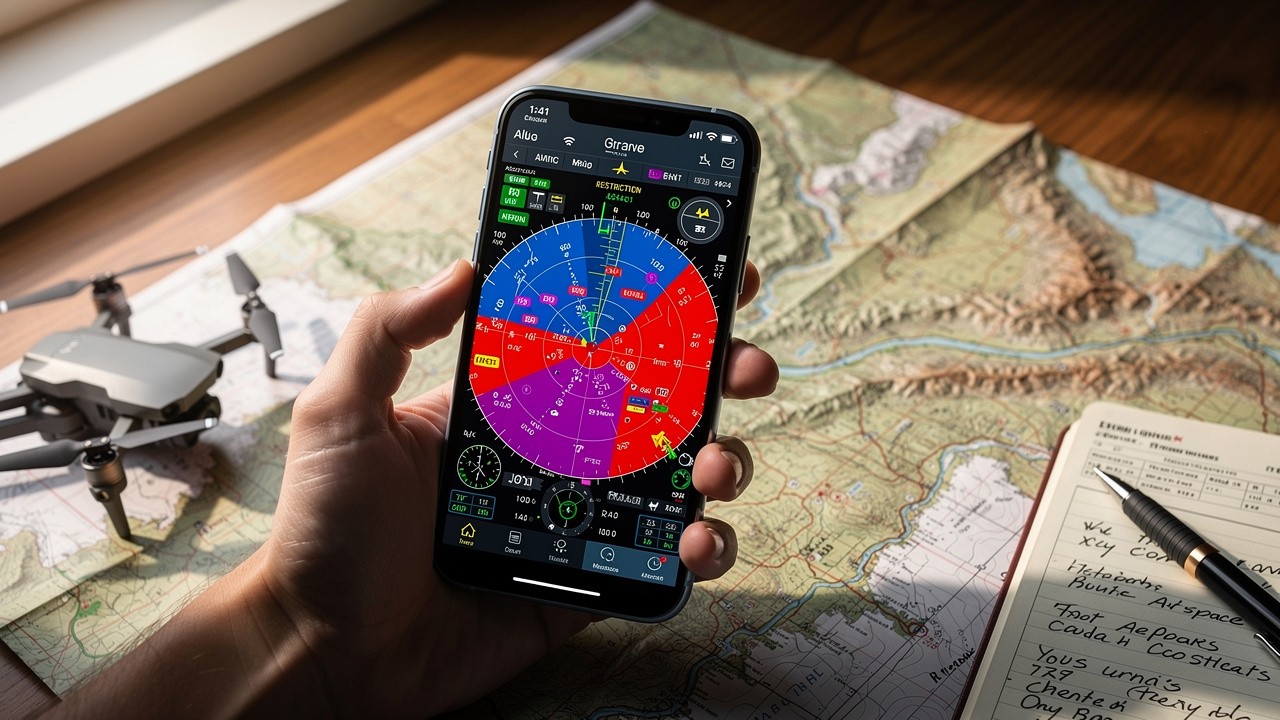
Holding a licence or accreditation does not allow you to fly anywhere you wish. Airspace and land rules still apply.
Key restrictions include:
-
Controlled airports – Around large airports there is usually a 5.5 km exclusion zone for drones without specific clearance.
-
Restricted and prohibited areas – Military bases, prisons, and some government sites are off‑limits without formal permission.
-
National parks and council land – Many parks and some councils restrict recreational drones or require permits.
-
Temporary restrictions – Bushfires, search‑and‑rescue operations, and major events may trigger short‑term no‑fly areas.
Many drones include geofencing systems (for example, DJI Fly Safe), but these databases are not complete and do not remove your legal responsibility. Always confirm airspace with a CASA‑verified app and check local land rules.
Even small indoor‑style devices, such as a ring flying camera, become subject to CASA rules once you take them outdoors above fence height.
H3 Using Drone Safety Apps: Your Pre‑Flight Compliance Tool
CASA‑verified drone safety apps are now a standard part of good flying practice. A quality app will:
-
Display controlled, restricted, and prohibited airspace
-
Highlight airports, helipads, and common flight paths
-
Show temporary restrictions for fires, emergencies, or events
-
Mark some national parks and other sensitive locations
Use them before you travel to a site and again on arrival. If the app shows restrictions requiring approval, do not fly unless you hold that approval in writing.
These apps do not show every council by‑law or private property rule, so they work best when combined with your own checks and common sense.
H2 National Parks, Protected Areas And The Complex Permit System
Australia’s national parks and conservation areas often have spectacular views, but most park agencies are cautious about drones. Concerns include wildlife disturbance, visitor experience, safety, and cultural sites.
Policies vary by state, but common patterns are:
-
Recreational drones are often banned inside park boundaries.
-
Commercial flying may be allowed only with a permit and strict conditions.
-
Agencies usually expect pilots to hold a RePL, often operate under a ReOC, and carry public liability insurance (for example, $10–20 million).
Permit applications can take weeks and may require flight plans, risk assessments, and maps. Flying without permission can lead to fines and, in serious cases, seizure of equipment. Training with Drone Training Hub helps pilots understand what park managers look for in safe, well‑planned applications.
H2 Flying Over People, Private Property And Privacy Considerations
Safety around people is one of CASA’s main concerns. You must:
-
Never fly directly over another person—a safety measure reinforced by an FAA study led by Embry-Riddle that documented significant risks when drones operate near people
-
Keep at least 30 m horizontally from anyone not involved in the flight
-
Avoid populous areas such as packed beaches, busy parks, streets, school grounds in use, concerts, and sports events
Only operators under a ReOC, with specific CASA approvals, may fly closer to people in controlled circumstances—and even then, under tight conditions.
Flying over private property raises separate issues. Repeated low‑level flights over someone’s backyard may amount to nuisance or trespass under state law. Filming people where they expect privacy (behind high fences, inside homes, changerooms) can breach surveillance legislation.
Good habits include:
-
Informing nearby residents when flights will occur close to homes
-
Avoiding low passes over properties without consent
-
Pointing cameras away from private spaces wherever possible
As new aircraft types—such as larger personal flying drone concepts—develop, respect for safety distances and privacy will only become more important.
H3 Privacy Laws And Ethical Drone Operation
Drone footage can qualify as personal information if people are identifiable. Businesses capturing such material must think about:
-
How long they keep footage
-
Who can access it
-
How it is stored and protected
State‑based surveillance and privacy laws often prohibit recording people without consent in places where they reasonably expect privacy. Even if a flight meets CASA’s safety rules, pointing a camera into private spaces can still be illegal.
Commercial operators should:
-
Explain to clients how bystanders’ images will be handled (cropped, blurred, or deleted)
-
Avoid lingering over people who are not part of the job
-
Adjust flight plans if someone objects to being filmed
Ethical behaviour builds trust with clients, neighbours, and regulators, and it benefits the wider drone community.
H2 The Professional Advantage: How Drone Training Hub Prepares You For Compliant Commercial Operations
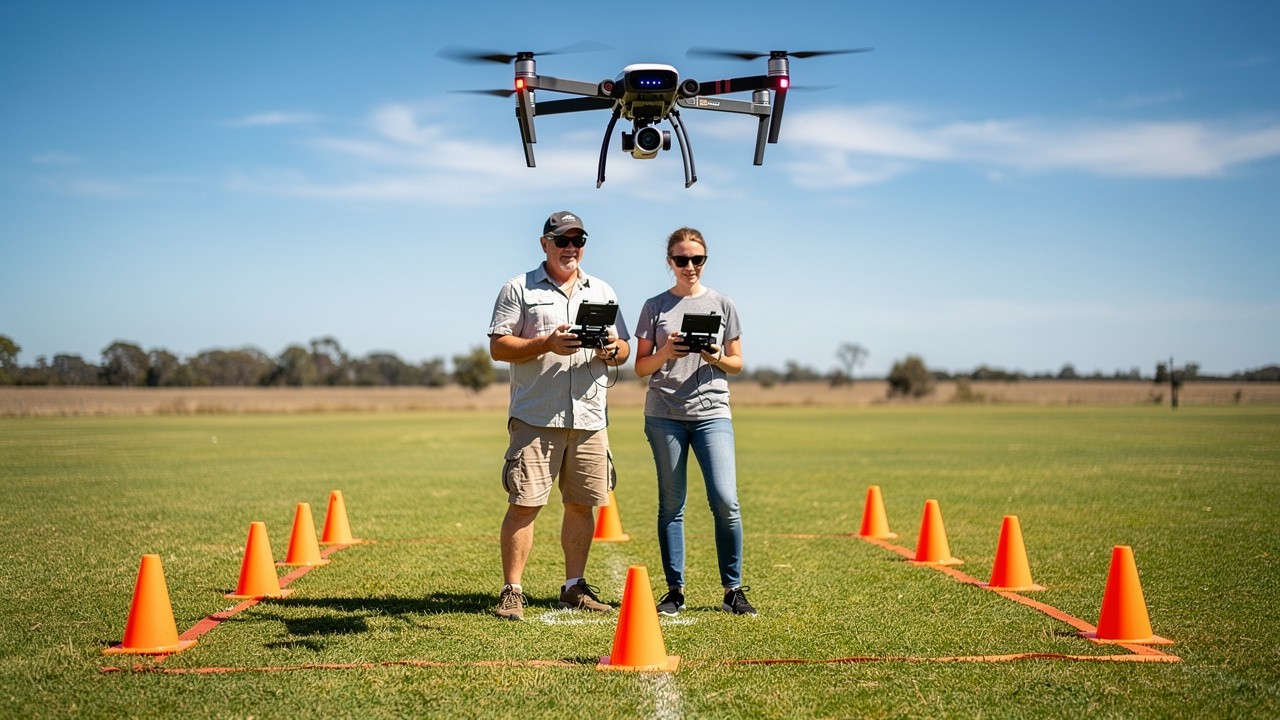
There is a big gap between holding basic accreditation and confidently walking onto a job site to run a safe, legal mission. Aviation jargon, charts, and legal terms can feel overwhelming at first.
Drone Training Hub is built to close that gap by:
-
Explaining air law, airspace, and weather in clear, work‑focused language
-
Using real Australian examples from construction, farming, media, and inspection jobs
-
Combining self‑paced online drone training with in‑person flight training
-
Teaching checklists, site surveys, and risk assessments, not just joystick skills
“If you think compliance is expensive, try an accident,” is a common saying in safety circles—and drone operations are no exception.
Instructors are active commercial pilots who use the same types of aircraft and procedures that you will see on paid jobs. Their focus is on giving you the knowledge and habits you need to operate safely under your own business or within a larger organisation.
H3 Transitioning From Recreational To Commercial: Your Practical Roadmap
Many RePL‑qualified pilots started as hobby flyers. A simple roadmap is:
-
Clarify your goals – real estate, roof inspections, farming, media, or inspections all have slightly different needs.
-
Match goals to aircraft and category – check your drone’s weight and camera capability; decide whether you will stay under 2 kg or move to heavier platforms.
-
Choose your pathway –
-
Under 2 kg and standard conditions: start with Operator Accreditation.
-
Heavier aircraft or first commercial flight: aim for a RePL with Drone Training Hub.
-
-
Sort the admin – get an ARN, register work drones, and keep copies of approvals.
-
Set up the business side – organise public liability insurance, choose a business name, arrange a simple website or portfolio, and start with clients in industries you already know.
Drone Training Hub supports this transition with structured training, practical examples, and ongoing guidance so you can present yourself as trained, licenced, and insured when people search for “drone pilots near me”.
H2 Advanced Operations: When You Need More Than Standard Permissions
Some projects need more flexibility than the standard rules allow—for example:
-
Night filming of city skylines
-
Close inspection of live industrial plants
-
Long‑range mapping of cutting costs in projects
-
Operations from moving platforms such as boats
To conduct this kind of work legally, a business generally needs:
-
A ReOC
-
RePL‑qualified pilots
-
Specific CASA approvals for each type of advanced operation
Approvals may cover night operations, reduced separation in controlled situations, or extended visual line‑of‑sight with observers. CASA expects detailed written procedures, risk assessments, and a strong safety management system before saying yes.
Industries that often rely on these approvals include film and TV, major asset management, emergency services support, and large‑scale agriculture.
H2 Pre‑Flight Planning And Risk Management: Professional Operational Standards
Professional drone work starts long before take‑off. Good pre‑flight planning usually covers:
-
Airspace – check a CASA‑verified safety app for controlled, restricted, or temporary zones.
-
Land rules – confirm permissions with councils, landowners, or park agencies.
-
Weather – weather assessment, and cloud base, not just whether it is raining.
-
Site survey – walk the area to find power lines, trees, cranes, roads, and public access points.
-
Flight plan – set heights, headings, and waypoints that keep clear of obstacles while still meeting the client brief.
-
Risk assessment – identify hazards, rate likelihood and consequence, and record how you will reduce each risk.
“The best flight is the one you can safely walk away from,” is an old aviation line that fits drones perfectly.
Brief any assistants on their roles, agree on clear call‑outs to pause or abort flights, and keep logs of missions, maintenance, and incidents. Drone Training Hub includes these practices in its training so they become standard, not afterthoughts.
H2 Drone Insurance: Understanding Your Professional Liability Requirements
Even careful pilots can experience unexpected failures, so drone insurance is a key part of commercial operations.
Main policy types:
-
Public liability – covers injury to third parties and damage to their property (for example, broken tiles, damaged cars, or harm to bystanders). Many councils, park agencies, and corporate clients insist on this cover, often with limits between $5–20 million.
-
Hull insurance – protects the drone and attached payloads (cameras, sensors) against crash damage or loss, especially important for high‑value platforms.
-
Professional indemnity – useful if your drone work involves advice or reports (mapping, inspection findings, thermal analysis) that clients rely on commercially.
Premiums depend on your qualifications, safety record, and job types. Insurers often look more favourably on RePL‑qualified pilots operating under documented procedures, which is another reason structured training with Drone Training Hub is valuable.
H2 Travelling With Your Drone: Domestic And International Considerations
Taking a drone on trips adds flexibility, but you must manage both aviation rules and airline policies.
Within Australia:
-
CASA’s drone rules apply everywhere, but state park and council policies vary.
-
Lithium batteries must usually travel in carry‑on luggage, with terminals protected. Check your airline’s dangerous goods page for watt‑hour limits.
-
Drones are best carried in cabin bags if size allows, to protect gimbals and sensors.
Overseas, each country has its own system:
-
Canada – drones between 250 g and 25 kg must be registered; pilots need Basic or Advanced certificates.
-
European Union – common rules around operator registration and pilot competency, with local variations.
-
United States – recreational and commercial flying follow different pathways; most paid work needs FAA Part 107 certification.
Some countries restrict or ban certain drone brands or devices for security reasons. Always check both local drone laws and airline rules well before you travel, and carry proof of registration or licences where relevant.
H2 Penalties, Enforcement And The Cost Of Non‑Compliance
CASA has real powers to respond to unsafe or illegal drone use. Common breaches—flying too close to people, exceeding 120 m, entering controlled airspace, or flying near emergencies—can attract fines in the hundreds or thousands of dollars.
More serious or deliberate conduct can end up in court with much higher penalties. On top of aviation fines, you may face civil claims if your drone injures someone or damages property. If you were flying outside CASA rules, your insurer may decline to pay.
Reputation matters too. A pilot known for unsafe flying may quickly lose the confidence of clients and councils, while careful operators gain referrals. Training through Drone Training Hub gives you the knowledge and habits to stay well clear of enforcement action.
H2 The Future Of Drone Regulations And Industry Growth In Australia
Australia is widely regarded as having balanced, risk‑based drone rules that allow strong industry growth while protecting safety. Those rules continue to develop as new technology appears.
Key areas of focus include:
-
Beyond visual line‑of‑sight (BVLOS) – for long‑range inspections, wide‑area mapping, and delivery trials
-
Unmanned traffic management (UTM) – systems to manage large numbers of drones alongside crewed aircraft
-
Urban air mobility – larger aircraft, closer to small helicopters than hobby drones, that may one day carry passengers across cities
Demand for drone career opportunities across construction, agriculture, mining, utilities, media, emergency services, and environmental monitoring. Specialist skills—thermal imaging, drones and LiDAR, 3D modelling, and precision agriculture analytics—are becoming more common.
Pilots who invest early in professional certification and stay up to date with CASA changes will be best placed to benefit. Drone Training Hub updates its training as regulations change so that students are learning current, not outdated, rules.
Common Misconceptions About Drone Licensing In Australia
Several myths cause confusion:
-
“Sub‑250 g drones have no rules.”
False. They avoid some administrative steps but must still follow standard operating conditions. -
“Expensive drones need licences; cheap ones don’t.”
CASA does not care what you paid. Purpose and weight decide whether accreditation or a licence is needed. -
“Practice flights for a paid job are always recreational.”
If flights are clearly linked to a business project, CASA may see them as part of commercial activity. It is safer to be properly accredited or licenced before you rehearse complex jobs. -
“Geofencing will keep me legal.”
Tools like DJI Fly Safe help, but they miss some restricted areas and temporary rules. CASA expects you to know the regulations and use verified apps, not rely on firmware. -
“A RePL lets me fly anywhere.”
A RePL is a licence, not a free‑pass. National park bans, council policies, and airport restrictions still apply unless you have specific approvals. -
“Once I’m licenced, I never need to study again.”
drone regulations, airspace design, and technology change. Good pilots keep learning through refresher training, industry news, and CASA updates. -
“Insurance is optional.”
Many clients and land managers require proof of public liability cover. Without it, one incident can cost far more than the policy premium.
Understanding these points helps you plan your training, equipment, and business strategy on realistic foundations.
Conclusion
Whether you need a drone licence in Australia depends first on why you fly and then on how heavy your aircraft is. Recreational pilots flying purely for fun do not need a licence or registration for drones up to 25 kg but must follow CASA’s standard operating conditions every flight. The moment a drone is used for work, payment, or business benefit, you are in the commercial category and need Operator Accreditation or a Remote Pilot Licence, plus registration.
Knowing where that line sits protects you from fines, complaints, and lost work. It also opens the door to real opportunities in construction, real estate, agriculture, media, inspections, and public sector jobs. Recreational pilots who already fly safely and use CASA‑verified apps have a solid base to step into paid work.
Drone Training Hub wraps the licensing process into a clear, supported pathway, combining plain‑English theory, hands‑on flying, and a strong focus on safety and compliance. With the right training, certification, and planning, turning your drone from a weekend hobby into a reliable income stream is a realistic and safe goal.
FAQs
Can I Fly My Drone Anywhere In Australia If I Follow The Rules?
No. Following CASA’s standard operating conditions is essential but not the whole story. Controlled airspace near airports, restricted and prohibited areas, many national parks, and some council‑managed parks and beaches have extra rules. Before each flight you should:
-
Check a CASA‑verified drone safety app
-
Confirm any park or council policies for that location
Even with a RePL or ReOC, some areas need special approvals or permits beyond normal licensing.
Do I Need To Register My Recreational Drone With CASA?
If you fly only for sport or fun, you do not need to register drones up to 25 kg. Registration becomes mandatory when you use a drone for commercial purposes, regardless of weight. At that point you must:
-
Hold Operator Accreditation or a RePL
-
Obtain an ARN
-
Register each aircraft used for work
Very large recreational aircraft above 25 kg need specific approvals, but that is separate from standard registration.
How Long Does It Take To Get A Remote Pilot Licence (RePL)?
Most RePL courses take around 5–7 days of structured training, though formats vary:
-
Theory – often delivered online and self‑paced, so you can spread study over several weeks.
-
Practical – on‑site flight training and assessment over set days.
Drone Training Hub designs courses so working adults can complete theory around existing commitments, then book practical sessions when ready. Allow extra time for enrolment, paperwork, and CASA processing after you pass your assessments.
Can I Fly My Drone At Night With A Licence?
Not by default. Standard operating conditions do not allow night flying for:
-
Recreational pilots
-
Commercial pilots operating only with Operator Accreditation or a basic RePL
To fly at night legally, a business must:
-
Hold a ReOC, and
-
Obtain specific night operations approval from CASA, supported by detailed procedures, lighting requirements, and risk controls.
For most operators, flying during daylight remains the simplest and safest option.
What Insurance Do I Need For Commercial Drone Operations?
Most commercial operators aim for:
-
Public liability insurance – covers injury to third parties and damage to their property; many clients and councils specify minimum cover (often $5–20 million).
-
Hull insurance – protects the drone and payload against crash damage or loss, especially for high‑value aircraft.
-
Professional indemnity – worth considering if you provide reports, maps, or analysis based on drone data.
Insurers often price policies more favourably for trained, licenced pilots with clear procedures, which is another reason drone training education with Drone Training Hub is a smart step.
Ready to Fly Drones Legally and Professionally?
Understanding the rules is the first step. Getting properly trained is what turns that knowledge into safe, confident commercial operations. If you want to move beyond recreational flying and start doing paid drone work the right way, explore Drone Training Hub’s CASA-aligned training programs and take the next step toward your Remote Pilot Licence (RePL).